

Years ago, I wandered into a “health food store” looking for something simple – probably elderberry or matcha powder – and instead found myself staring down an aisle full of bright orange and yellow tubs of creatine plastered with photos of muscular men and big promises.
I figured I needed that stuff as much as I needed a pet rock.
Turns out, I was wrong.
Once known mostly to bodybuilders, creatine has earned a place in women’s wellness routines.
It supports muscle, metabolism, bone strength, brain function, hormonal balance and more – helping women stay strong and steady through midlife and beyond.
Creatine usually comes in a simple powder form that you can stir into a glass of water, blend into a smoothie, or add to your morning tea, so working a little into your daily routine couldn’t be easier.
In this article I’ll share seven reasons to give it a try, plus tips for getting started.
As always, none of these statements have been evaluated by the FDA, this article is not medical advice, and it’s not meant to diagnose or treat any condition. Now let’s dive in.
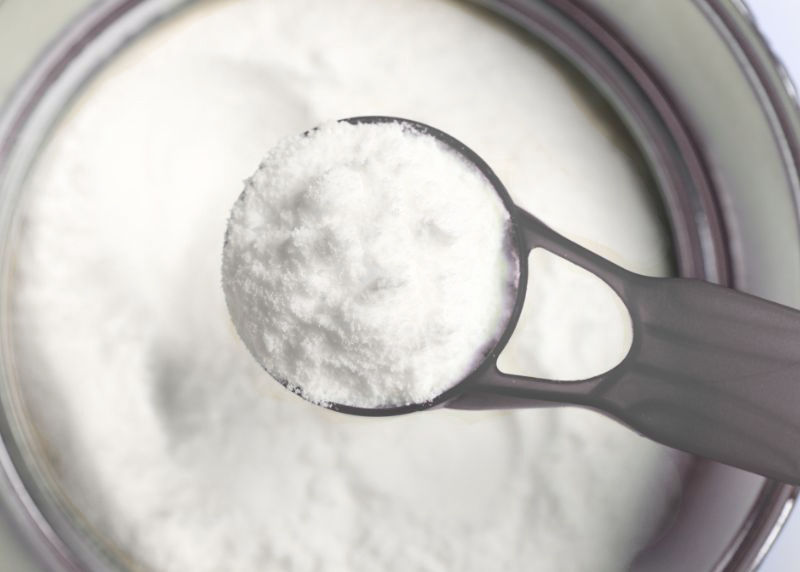
What is creatine?
A quick primer on the little compound that makes a big impact
Creatine is a naturally occurring compound produced by the liver, kidneys, and pancreas, and you’ll also find it in foods like red meat, fish, and dairy. Most of it is stored in your muscles, with smaller amounts in the brain, heart, and other tissues.
Its superpower is energy recycling. Every time you contract a muscle, your body draws on a molecule called ATP (adenosine triphosphate), which acts like the battery charger of your cells. Creatine helps regenerate ATP, giving your muscles and brain a steady supply of quick energy. Better ATP production means better performance – both cognitively and during workouts – and more efficient recovery afterward.
It’s also one of the most thoroughly researched supplements out there. For decades, creatine was mostly studied in men and marketed to bodybuilders, which is why it ended up in those bright tubs at the back of the health food store. But more recent research has turned the spotlight on women, and the findings suggest its benefits reach far beyond the weight room.
How Creatine Benefits Women
Women naturally start with less creatine in the tank – research shows we produce about 70–80% less creatine internally than men, and that gap persists across our lifespan. (1) (2) Diet doesn’t fully close it, either. To hit the commonly studied daily dose of 5 grams, you’d need to eat about 2–2.5 pounds of beef every day.
Hormones add another wrinkle, too. As estrogen, progesterone, and testosterone begin to fluctuate and decline in perimenopause, menopause and postmenopause, creatine production and utilization can be affected, increasing the need for extra support. (1) (2) (3)
That’s where supplementation comes in – helping bridge the gap between what we make, what we eat, and what our bodies actually need to stay strong, steady, and resilient.

#1 – Supports Lean Muscle Mass
Muscle preservation = metabolic gold
Starting in our 30s, women naturally lose about 3–5% of muscle mass per decade, and the pace accelerates after menopause. (4) (5) Since muscle tissue is metabolically active – meaning it burns calories just to sustain itself – this decline doesn’t just affect strength, it slows metabolism and raises the risk of insulin resistance.
Strength training is one of the best ways to counteract age-related muscle loss, and creatine makes it even more effective. By increasing available energy (ATP), creatine helps muscles work harder, which translates into greater strength and lean mass gains over time.
In fact, a meta-analysis of 22 studies found that adults over 50 who combined creatine with resistance training gained about three pounds more lean body mass compared to those who trained without it. They also improved strength on major lifts such as the chest press and leg press to a greater degree. (6)
The benefits aren’t limited to midlife and beyond. In younger women, short-term studies have shown less muscle fatigue during cycling, along with improvements in sprint speed, leg strength, and agility compared to placebo. (7) (3)
For women who already lift heavy, creatine may translate into greater power and lean body mass. And for women who are just getting started, it may provide the extra energy needed to stick with a routine and build consistency.
#2 – Better Workout Recovery
Faster bounce-back
The benefits of creatine don’t stop at strength – they extend to recovery, too. In female-specific research, creatine supplementation has been shown to reduce post-exercise swelling (edema) and help muscles regain strength more quickly after muscle-damaging exercise. (8)
Broader studies in men and women also report faster recovery of maximum strength and lower markers of muscle damage in the days following strenuous training. (9) (10)
The takeaway: creatine may help you push harder in a workout and bounce back more quickly afterward. Even if you’re not chasing personal records, the extra recovery support can reduce lingering fatigue and help you stay consistent – whether that means lifting weights, walking with a weighted vest, or building a new fitness routine.
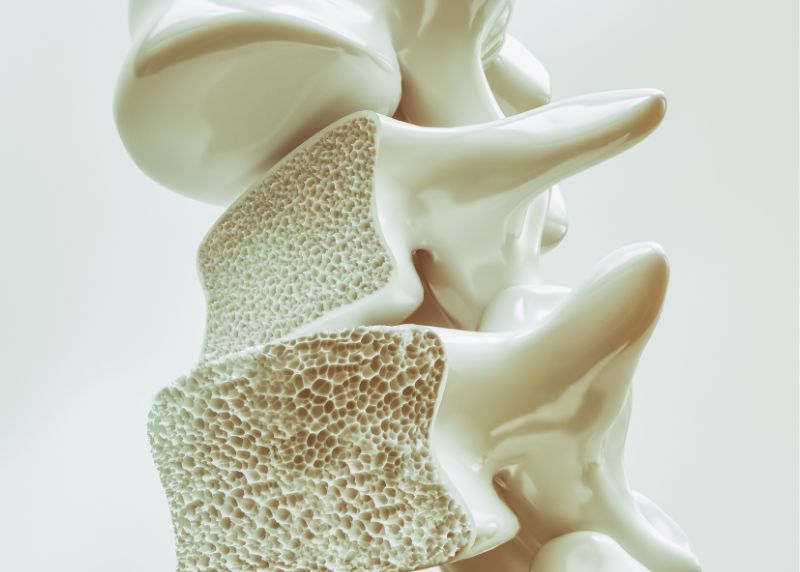
#3 – Supports Bone Health
Protect your inner strength
Muscle loss gets a lot of attention in midlife, but bone loss is just as important to keep on the radar. Thanks to estrogen, our bones spend most of early adulthood naturally reinforcing themselves. Once hormone levels dip, though, that process slows – and bone breakdown starts to outpace rebuilding. During the menopausal transition, as much as 20% of lifetime bone loss can happen in just a few years. (11))
This is where exercise shines. Every time a muscle pulls on bone, it sends a “stay strong” signal that helps keep bone tissue dense and resilient. Add creatine into the mix, and you’re giving those workouts extra staying power – more energy to lift heavier, move longer, and build the kind of muscle that keeps bones supported.
There’s also evidence creatine may act more directly on bone cells themselves. In one Canadian study, postmenopausal women who lifted weights three times per week while supplementing with creatine lost far less bone density at the hip than those who lifted without it. (12) Another trial with older adults found creatine plus resistance training not only improved muscle strength but also boosted bone measures – two wins that work hand in hand to reduce the risk of falls and fractures. (12)

#4 – Smoother Sailing Through Hormonal Shifts
A steadying ally when estrogen and progesterone start to shift
Estrogen in particular plays a protective role in maintaining muscle, bone, metabolism, and even brain health. When levels dip in perimenopause and menopause, the ripple effects often include slower recovery, less stable energy, and changes in body composition.
Creatine appears to help buffer some of that shift. Because natural creatine levels rise and fall along with estrogen and progesterone, women generally start from a lower baseline than men and then experience even more fluctuation during hormonal transitions. Supplementing with creatine can help maintain steadier levels, offering extra support when the body’s usual supply dips.
In fact, research on active women shows creatine supplementation can improve exercise performance and recovery during phases of the menstrual cycle when estrogen is naturally lower. (13) Similar support may apply during postpartum and postmenopause, though it’s important to check with a healthcare provider before adding creatine during these life stages.
The bottom line: when hormones are in flux, creatine may help smooth the ride—keeping strength, energy, and recovery more stable.
#5 – Supports Mood, Cognition & Memory
Brain fuel for focus, clarity, and emotional resilience
The brain may make up only about 2% of total body weight, but it uses nearly 20% of the body’s daily energy. (14) That high demand makes it one of the most energy-intensive organs, and creatine plays a central role in keeping that supply steady.
By boosting phosphocreatine stores in the brain, supplementation can support better mental performance and sharper recall. Studies suggest creatine improves short-term and working memory, processing speed, and reasoning ability, with particular benefits noted in women and in people who consume little to no meat. (15) (16 (17)
Creatine may also support emotional steadiness. Estrogen normally works with the nervous system to regulate neurotransmitters like serotonin, so when levels fluctuate in perimenopause, mood shifts and feelings of overwhelm can follow. Research suggests creatine helps keep brain energy more stable, which may contribute to a calmer, more balanced mindset.(18)
Even outside of clinical settings, creatine has been associated with reduced mental fatigue, better stress resilience, and a more positive outlook. (19) (20) (21) (22)
Bottom line: from sharper memory to steadier mood, creatine is more than a muscle supplement- it’s brain fuel for women who want clarity and resilience through the ups and downs of life.

#6 – Backup Fuel When Rest Falls Short
How creatine helps soften the effects of sleepless nights
Optimizing your circadian habits and bedroom for deep sleep is foundational to wellness, but sometimes life throws a curveball. Even one rough night can leave you dragging the next day, and while nothing replaces true rest, creatine may help soften the edge of short-term sleep loss by supporting brain energy.
Because creatine helps keep ATP supplies steady, it can lessen some of the fatigue and cognitive fog that follow a night (or two) of poor sleep. Research suggests creatine supplementation may help reduce the negative effects of temporary sleep deprivation on thinking and alertness, and one study even found it relieved severe fatigue in people recovering from viral illness. (23)
The bottom line: creatine isn’t a sleep aid, but it may give your brain and body a little extra resilience when your head doesn’t hit the pillow as long – or as deeply – as you’d like.
#7 – May Support Blood Sugar Balance
Steady glucose is key to a humming metabolism
Glucose is the body’s preferred quick fuel, and muscles play a starring role in managing how it’s used. When you eat a carbohydrate-rich meal, your body relies on transporters like GLUT-4 to move glucose out of the bloodstream and into muscle cells, where it can be stored or burned for energy. (24)
Creatine appears to support this process. In one 12-week study, people who combined creatine with exercise cleared glucose from the blood more efficiently after meals compared to exercise alone. Researchers attribute this to creatine’s ability to positively influence GLUT-4 activity, essentially helping muscles act like sponges for incoming fuel. (25)
While more research is needed, early findings suggest creatine may offer a smoother energy response after eating and less strain on the systems that regulate metabolism – alongside nutrition and movement, of course.
Is Creatine Safe?
What research says about safety and side effects
Creatine is considered one of the most thoroughly studied supplements out there. Since the 1970s, more than 680 clinical trials involving everyone from infants to older adults have tested creatine. (26) Across those studies, no serious adverse effects were reported, and minor side effects were no more common than in placebo groups.
For healthy women, creatine is generally considered safe. Reviews confirm that when taken at recommended doses, it hasn’t been linked to any health concerns. The International Society of Sports Nutrition calls it a safe, effective supplement for both men and women. (25)
That said, there are a few things to keep in mind:
- Kidneys: Creatine can temporarily raise creatinine levels, a marker sometimes used to evaluate kidney function. For women with healthy kidneys, this isn’t a problem, but anyone with existing kidney disease should check with their provider before using creatine.
- Bloating & GI upset: One occasional complaint is temporary bloating or digestive discomfort – usually linked to “loading doses” (20+ grams/day). Sticking with a smaller, steady daily dose of 3–5 grams typically avoids this.
- Other exclusions:
- Creatine is not recommended for individuals with bipolar disorder, since it may exacerbate manic episodes.
- It is not recommended for individuals under 18 due to a lack of research on dosage
✅ Tips for Taking Creatine
- Best form: Creatine monohydrate is the gold standard. It’s the most researched, effective, and affordable type on the market. Look for third-party certifications like NSF or USP to be sure what’s on the label is actually in the container. Many companies use Creapure, which is a brand name for pure creatine monohydrate produced in Germany. It’s well-known for quality and purity
- Daily dose: 3–5 grams per day is the amount that pops up most consistently in research.
- With or without food: Timing doesn’t matter much – morning, evening, pre- or post-workout are all fine. The key is taking it daily so your muscles and brain maintain steady levels.
- Hydration counts: Take it with a full glass of water (at least 8 oz). Staying well hydrated helps creatine work optimally. (I add mine to a morning smoothie with grass-fed collagen, berries, dandelion greens and my seed cycling blend.)
- Skip the loading phase: Traditional “loading” (20–25 grams/day for 5–7 days) isn’t necessary for most women. It may work faster, but smaller daily doses reach the same end point with fewer side effects.
- Caffeine note: Some evidence suggests caffeine may blunt creatine’s effects, while other studies find no issue. If you’re concerned, you can take them at different times of day.
- Talk to your provider: Especially if you’re pregnant, postpartum, or managing chronic health conditions.
Creatine isn’t complicated. Choose a clean, third-party tested creatine monohydrate, mix a scoop into water or a smoothie, and be consistent. Over time, those small doses can translate into stronger muscles, steadier energy, sharper cognition, and more resilience.
✋ Before You Go, Grab This Free Midlife Guide
If you’ve ever found yourself thinking,“Why doesn’t my body respond the way it used to?” . . . this guide was written for you.
Midlife can change the rules for everything from sleep and energy to workouts, recovery, body composition, and more. Knowing what’s changing can help you let go of strategies that no longer fit – and start focusing on what supports your body now.
Inside, I’ll walk you through 10 things I wish I’d known sooner, so you can make more sense of what you’re experiencing and get clearer about where to go from here.
Enter your email below and I’ll send it right over. You’ll also receive my weekly newsletter with practical wellness tips, recipes, and new guides like this one.
Sources
- Smith-Ryan AE, Cabre HE, Eckerson JM, Candow DG. Creatine Supplementation in Women’s Health: A Lifespan Perspective. Nutrients.
- Gutiérrez-Hellín, J., Del Coso, J., Franco-Andrés, A., et. al. (2025). Creatine Supplementation Beyond Athletics: Benefits of Different Types of Creatine for Women, Vegans, and Clinical Populations — A Narrative Review. Nutrients.
- Smith-Ryan, A. E., DelBiondo, G. M., Brown, A. F., et. al. (2025). Creatine in women’s health: bridging the gap from menstruation through pregnancy to menopause. Journal of the International Society of Sports Nutrition.
- Volpi, E., Nazemi, R., Fujita, S. (2004). Muscle tissue changes with aging. Journal of Gerontology: Biological Sciences.
- Office on Women’s Health. (n.d.). Sarcopenia. U.S. Department of Health & Human Services.
- Chilibeck PD, Kaviani M, Candow DG, Zello GA. Effect of creatine supplementation during resistance training on lean tissue mass and muscular strength in older adults: a meta-analysis. Open Access Journal of Sports Medicine.
- Meixner, B., Kraemer, W. J., & Res, P. T. (2025). Supplementation of creatine monohydrate improves sprint performance in healthy adults. Journal of Exercise Science & Fitness.
- Yamaguchi S, Inami T, Nishioka T, et al. The Effects of Creatine Monohydrate Supplementation on Recovery from Eccentric Exercise-Induced Muscle Damage: A Double-Blind, Randomized, Placebo-Controlled Trial Considering Sex and Age Differences. Nutrients
- Cooke, M. B., Rybalka, E., Williams, A. D., et. al. (2009). Creatine supplementation enhances muscle force recovery after eccentrically-induced muscle damage in healthy individuals. Journal of the International Society of Sports Nutrition
- Kreider, R., Collins, R., Candow, D. G., Kleiner, S. M., et. al. (2017). International Society of Sports Nutrition position stand: safety and efficacy of creatine supplementation in exercise, sport, and medicine. Journal of the International Society of Sports Nutrition.
- McClung, M. R., Pinkerton, J., Blake, J., et. al. (2021). Management of osteoporosis in postmenopausal women: the 2021 position statement of The North American Menopause Society. Menopause.
- Candow, D. G., Chilibeck, P. D., Gordon, J. J., & Kontulainen, S. (2021). Efficacy of creatine supplementation and resistance training on area and density of bone and muscle in older adults. Medicine & Science in Sports & Exercise
- Gordon, A. N., Moore, S. R., Patterson, N. D., et al. (2025). The effects of creatine monohydrate loading on exercise recovery in active women throughout the menstrual cycle. Nutrients.
- Raichle, M. E., & Gusnard, D. A. (2002). Appraising the brain’s energy budget. Proceedings of the National Academy of Sciences of the United States of America.
- McMorris, T., Mielcarz, G., Harris, R. C., et. al. (2007). Creatine supplementation and cognitive performance in elderly individuals. Neuropsychology, Development, and Cognition. Section B, Aging, Neuropsychology and Cognition.
- Rae, C., Digney, A. L., McEwan, S. R., & Bates, T. C. (2003). Oral creatine monohydrate supplementation improves brain performance: a double–blind, placebo–controlled, cross–over trial. Proceedings of the Royal Society of London. Series B: Biological Sciences.
- Benton, D., & Donohoe, R. (2011). The influence of creatine supplementation on the cognitive functioning of vegetarians and omnivores. British Journal of Nutrition.
- Lyoo, I. K., Yoon, S., Kim, T.-S., et. al. (2012). A randomized, double-blind, placebo-controlled trial of oral creatine monohydrate augmentation for enhanced response to a selective serotonin reuptake inhibitor in women with major depressive disorder. American Journal of Psychiatry.
- Avgerinos, K. I., Spyrou, N., Bougioukas, K. I., & Kapogiannis, D. (2018). Effects of creatine supplementation on cognitive function of healthy individuals: A systematic review of randomized controlled trials. Experimental Gerontology.
- Turner, C. E., et al. (2015). Creatine supplementation enhances corticomotor excitability and cognitive performance during oxygen deprivation. Journal of Neuroscience.
- Watanabe, A., Kato, N., & Kato, T. (2002). Effects of creatine on mental fatigue and cerebral hemoglobin oxygenation. Neuroscience Research.
- Xu, C., Bi, S., Zhang, W., Luo, L., et al. (2024). The effects of creatine supplementation on cognitive function in adults: a systematic review and meta-analysis. Frontiers in Nutrition.
- Ostojic, S. M. (2021). Diagnostic and pharmacological potency of creatine in post-viral fatigue syndrome. Nutrients.
- Holloszy, J. O., & Hansen, P. A. (1996). Regulation of glucose transport into skeletal muscle. Review of Physiology, Biochemistry and Pharmacology.
- Gualano, B., de Salles Painneli, V., Roschel, H., Artioli, G. G., et. al. 2011). Creatine in type 2 diabetes: a randomized, double-blind, placebo-controlled trial. Medicine & Science in Sports & Exercise
- International Society of Sports Nutrition. (2025, February 12). Creatine supplementation is safe, beneficial throughout the lifespan, and should not be restricted. [Press release].

Is there a brand you would recommend? And if I take 3-5 grams but don’t do any particular resistance training etc, is there evidence of negative side effects? I try to do small workouts and I’m pretty active/ somewhat in shape, but my workouts aren’t consistent. I’ve thought of trying creatine but worried I should wait until my workouts are more regular. And thank you for the recommendation!! I always trust and appreciate your recommendations and research very much
There are a lot of good brands – I’m currently using Designs for Health. I am not aware of any side effect associated with taking creatine without resistance training – it’s been used in a wide range of contexts (for example, sprinting) and populations (including babies that definitely aren’t doing resistance training). From what I read, the focus on pairing it with training was to emphasize that exercise is needed in order to gain the benefits described in most of the research (at least in regard to muscle mass / bone health).
With that said, I always recommend talking to your healthcare provider about your questions, concerns, goals, et. 🙂