

When something is really “getting on your nerves,” chances are you’re not going to walk away from that situation with lower stress levels and a greater sense of well-being. But what if giving more attention to just one nerve could actually do just that?
I’m talking about the vagus nerve, of course. This powerful connector between body and brain plays a key role in how calm, grounded, and resilient you feel each day.
After a stress trigger, it helps your body exit fight-or-flight and return to a calm state. It also influences everything from digestion and inflammation to mood and heart rate – with ripple effects that extend across your entire body.
But here’s the catch: its ability to keep us regulated, sometimes called vagal tone, can weaken over time or become disrupted by stress, lifestyle, or age.
The good news is that vagal tone isn’t set in stone – just like muscles respond to exercise, your vagus nerve can be strengthened.
Here’s an important point, though: The goal isn’t a perfectly calm nervous system, it’s a regulated one.
Good vagal tone doesn’t mean being relaxed all the time – it means being able to shift between fight/flight and rest/digest without getting stuck in the wrong gear.
In this article, we’ll explore what the vagus nerve does, how it impacts our health, and simple ways you can support it. As always, this is not medical advice and is not intended to diagnose or treat any condition. None of these statements have been evaluated by the FDA. Now let’s dive in.
What is the vagus nerve?
Sometimes called “The Wanderer,” the vagus nerve is one of twelve cranial nerves that connect the brain and body. It begins in the brainstem and “wanders” down through the chest and abdomen, branching out to the heart, lungs, spleen, liver, diaphragm, and digestive tract. (1)
It’s the main communication highway of the parasympathetic nervous system – the “rest-and-digest” branch of your autonomic nervous system (ANS), which works in tandem with the sympathetic branch (the “fight-or-flight” system).
Unlike our five external senses, the vagus nerve helps us perceive our internal world through something called interoception – an awareness of things like pressure, pain, temperature, hunger, and even inflammation. (2)
In simple terms, it helps the brain check in with the body to ask, “How are things going down there?”
But the vagus nerve isn’t just a messenger. It also plays a regulatory role in inflammation, immune response, and neurotransmitter production, and – as mentioned above – helping the body switch gears after stress has passed. (3)(4)(5)
For example, during fight-or-flight, blood is shunted outward toward the muscles so you can run or defend yourself. Once the threat passes, vagal signaling helps redirect that blood flow back to the digestive tract so your body can return to essential functions like breaking down and absorbing nutrients.
In other words, sometimes it helps the brain ask the body “Is everything okay?” and sometimes it helps the brain reassure the body “Everything’s ok!”
Or as Wen Chen, MMSc, PhD, of the National Center for Complementary and Integrative Health put it, “A very traditional definition of interoception is that it comes from the body and ends in the brain . . . But we now know that the brain can go back and regulate signals in organs. It’s a loop.” (2)
Why Mixed Signals Leave Us Tired & Wired
Now that we’ve talked about what the vagus nerve usually does, let’s talk about it’s emergency shutdown mode. The vagus nerve actually has two main branches, each shaping how we respond to life:
- Ventral vagus: This branch is linked with digestion, social connection, and relaxation. It’s most active when you feel safe and connected.
- Dorsal vagus: More primitive and protective, this branch is like a survival “shut-off switch.” It helps conserve energy or disconnect during overwhelming situations. Animals playing dead to avoid predators are showing this reflex in action.
In a healthy balance, the ventral branch leads most of the time, fostering calm and connection, while the dorsal branch only activates in true emergencies.
Unfortunately, modern stressors – constant notifications, family demands, financial pressures, etc. – can create a sense of constant overwhelm that keep both the sympathetic system (anxious “fight-or-flight”) and dorsal vagus nerve (numb or frozen) chronically switched on.
When that happens, the body starts sending mixed signals – leaving us revving the gas and slamming the brakes at the same time. This idea, explored by researcher Stephen Porges in his Polyvagal Theory, helps explain why so many people today feel both wired and worn-out, caught between urgency and shutdown.
So how do we untangle these mixed signals and support the “calm and connection” ventral branch of the vagus nerve? That’s where exercises come in.
7 Vagus Nerve Exercises
You know that that sense of calm you feel after a good laugh, gazing up at the night sky, or humming along to a favorite song? Those are all moments when your vagus nerve is quietly doing its job.
Fortunately, you don’t have to just wait for those states to come along . . . you can create them.
Vagus nerve exercises work by engaging the body’s natural relaxation response. By gently stimulating the parasympathetic nervous system, these practices can bring the body back into a more regulated state.
Some of the key benefits include:
- Reduced stress: By making it easier for your body to “bounce back” after daily challenges, vagus nerve exercises help you spend less time stuck in high-alert mode.
- Better digestion: The vagus nerve is a key player in the gut–brain connection, helping regulate motility and digestive comfort. Supporting vagal activity has been shown to ease issues such as bloating and reflux. While much of the research has focused on electrical stimulation, studies also suggest that practices like diaphragmatic breathing can enhance digestive function. (6) (7) (8) (9) (10)
- Improved emotional well-being: Research shows that vagus nerve practices support more balanced emotional responses. They can lift mood, increase resilience, and help us feel more connected to others. (11) (12)
Here are ten vagal exercises I have personally found helpful:

1. Slow, Deep Breathing
Your breath is a built-in stress switch, but methods like box breathing or alternate nostril breathing can feel intimidating at first. A more simple approach to star with is slow, diaphragmatic breathing – drawing the air deep into your belly rather than just your chest. You can check if you’re doing it right by placing a hand on your abdomen: it should gently rise with each inhale and fall as you exhale.
Here’s how to do it: Once you’ve settled into a comfortable position, aim for a relaxed rhythm – inhale through your nose (if possible), then exhale slowly, making the out-breath just a little longer than the in-breath.
This subtle lengthening of the exhale is where the magic happens: it signals your vagus nerve to activate the parasympathetic “rest-and-digest” mode. Research shows that even a few minutes of this practice can lower stress hormones, increase heart rate variability (a marker of resilience), and give your body a gentle reminder that it’s safe to relax. (13)

2. Say Voo
Inhale deeply, then exhale while saying “voo” in a low, resonant tone – think of the sound of a foghorn. Repeat 5–10 times, or more if it feels good.
Why it helps: The vagus nerve sends branches to the larynx (via the superior and recurrent laryngeal nerves), so vocal cord vibration during long exhales provides gentle stimulation. Pairing that vibration with slow breathing engages both breath and sound – a powerful combination for activating the parasympathetic state. (14)
Why Low Tones Work Best: Low-pitched sounds like voo create stronger vibrations in the chest and throat, areas richly connected to the vagus nerve. That deeper resonance may send a stronger “relax and reset” signal compared to higher-pitched tones. In one study, chanting Om increased parasympathetic activity and promoted calmness. (15) Personally, I’ve feel more benefit with “voo.”
Other ways to use your voice:
- Hum: The steady vibration created by humming supports vagal activity and increases nasal nitric oxide, which improves breathing and circulation. (16)
- Sing: You don’t need to be pitch-perfect – just turn on a favorite song and sing. Slower-paced singing has been shown to enhance HRV (a marker of vagal tone) and promote relaxation. (17)
3. Cold Water Reset
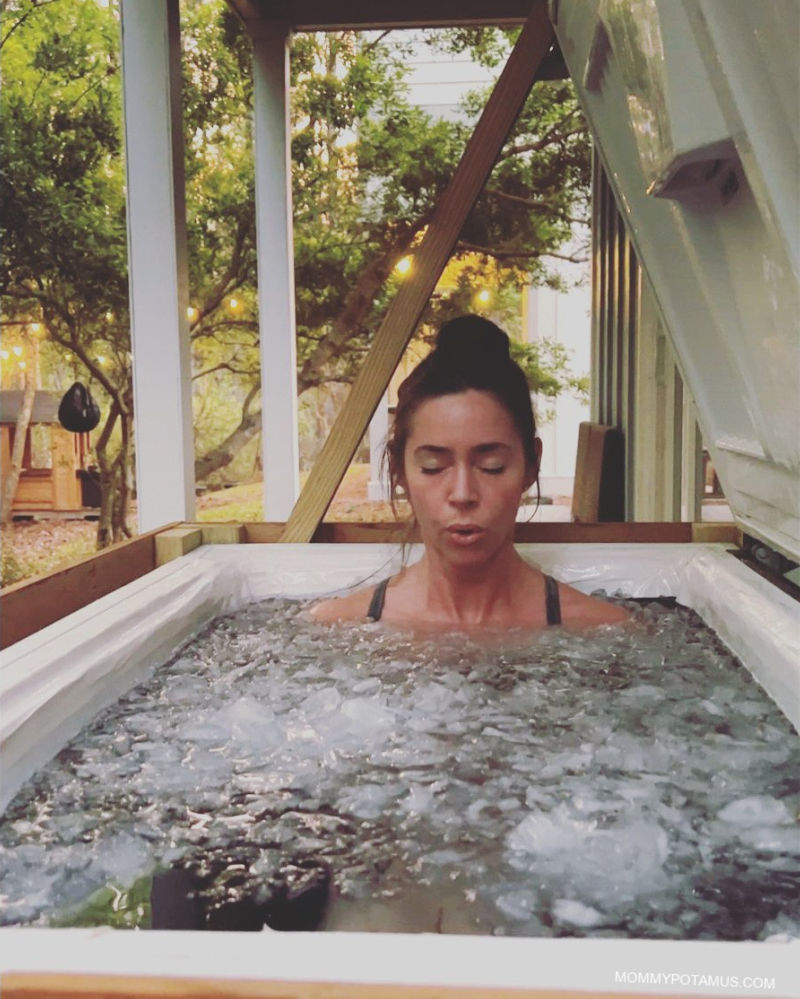
If you’ve ever submerged yourself in cold water and felt a rush of clarity and calm afterward, you’ve tapped into something powerful. Cold water exposure, especially when water covers your chest, activates vagal pathways and improves HRV, helping your nervous system become more resilient.
Researchers have found that head-out water immersion up to chest level (HOIC) reliably increases vagally mediated HRV (RMSSD) in healthy people compared to baseline. (18)
After intense exercise, cold water immersion speeds recovery of the parasympathetic (vagal) response more effectively than neutral-temperature water. (19) And in studies of diving or very cold water, cold immersion initially causes alerting signals but is followed by stronger parasympathetic/vagal activation. (20)
Ways to try cold exposure safely:
- End your shower cold: Finish a warm shower with 20–30 seconds of cold water.
- Face ice bath: Submerge just your face in a bowl of cold water or ice water for 10–20 seconds. This triggers the mammalian dive reflex, slowing heart rate and activating the vagus nerve. (21)
- Chest immersion: Sit in cool-to-cold water up to your chest for short periods, starting with 30 seconds and gradually working up. Keep in mind that, especially for women, colder is not necessarily better. 50-60F is often considered the “sweet spot.”
- Full-body plunge: If you have access to a cold tub or lake, submerge up to the neck for a brief immersion.
⚠️ Important note: Cold water can have a sudden alerting effect (sympathetic activation) before the calming vagal effects kick in. To avoid going into a “freeze” response (dorsal vagal), start small, build gradually, and listen to your body. If you have cardiovascular issues, Raynaud’s, or other sensitivities, check with a healthcare provider first.
4. Gentle Pressure
You don’t need a standing appointment with a massage therapist to benefit from the calming effects of gentle touch. Simple practices you can do at home send “safety signals” to your nervous system that help engage the vagus nerve and restore balance.
Research shows that moderate, soothing pressure increases parasympathetic activity (the rest-and-digest mode), while painful or very deep pressure may do the opposite by activating fight-or-flight. (22) Reflexology studies also suggest that even pressure applied far from the vagus nerve, like on the soles of the feet, can boost vagal activity and support relaxation. (23)
Why It Helps: These practices work through proprioceptive and interoceptive input – they help your body feel where it is in space (proprioception) and tune into internal sensations (interoception). That combination is deeply regulating, especially when paired with slow breathing.
Try These At-Home Techniques
- Eye Presses
Rub your hands together to create warmth, then gently place your palms over your closed eyes. The pressure and darkness help calm the visual system and soothe the nervous system. Breathe deeply and hold for 20–30 seconds or as long as it feels good. - Lip Touch
Lightly stroke your lips with your fingertips for about 30 seconds. The lips are packed with nerve endings, and gentle touch signals safety and ease. - Arm & Leg Squeezes
Starting at your shoulders and hips, gently squeeze your arms and legs in sections, moving toward your hands and feet. Coordinate each squeeze with your breath. This grounding practice offers proprioceptive input and helps you feel more connected to your body. - Foot Reflexology
Use your thumbs or knuckles to massage the soles of your feet in short strokes. Even a few minutes can reduce tension and, according to studies, increase vagal activity and lower blood pressure.

5. Physical Exercise
Exercise isn’t just good for your muscles and heart – it’s one of the most effective ways to strengthen your vagus nerve. Regular movement, especially aerobic and interval training, helps your nervous system “practice” shifting between stress and recovery so it doesn’t get stuck in overdrive.
Research shows that aerobic exercise enhances vagal tone and improves autonomic balance. (24) Interval training is also especially powerful: in one study, patients who did short bursts of high-intensity exercise followed by recovery periods showed greater improvements in vagal activity and heart rate variability than those doing continuous moderate exercise. (25)
Even brisk walking or alternating faster and slower paces can create these benefits.
6. Gargling
Although it’s usually lumped together with other activities that engage the throat/larynx – like humming or singing – I’m listing gargling separately because it’s a habit that’s easy to build into your daily routine.
That’s because you probably won’t set a daily reminder to sing when you wake up, but you will (hopefully) brush your teeth . . . and you can build on that habit to strengthen vagal tone over time.
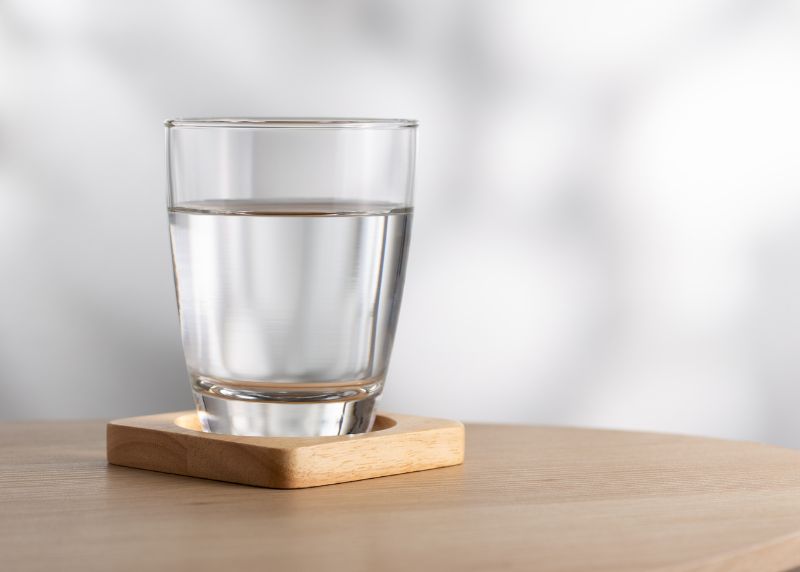
The practice is simple: Gargle with water for 30–60 seconds, once or twice a day after you brush your teeth. You should feel your throat muscles working and hear that “warble” sound.
7. Laugh Out Loud (Literally)
It turns out the old saying “laughter is the best medicine” has some science behind it. When you laugh – especially with deep, belly-shaking laughs – your diaphragm contracts and relaxes in a way that stimulates the vagus nerve. (26) That rhythmic movement encourages the parasympathetic “rest-and-digest” state, helping your body unwind after stress.
Laughter lowers stress hormones like cortisol and boosts endorphins, which are your body’s natural feel-good chemicals. (27)
Research shows that it also lifts our mood, makes us feel more social, and even increases tolerance to pain. (28)
You don’t need special equipment or training – just a reason to laugh. Watch a favorite comedy, swap funny stories with a friend, or even try a laughter yoga session (yes, it’s a thing – and yes, it’s contagious – but don’t forget your non-toxic yoga mat!).
More Techniques
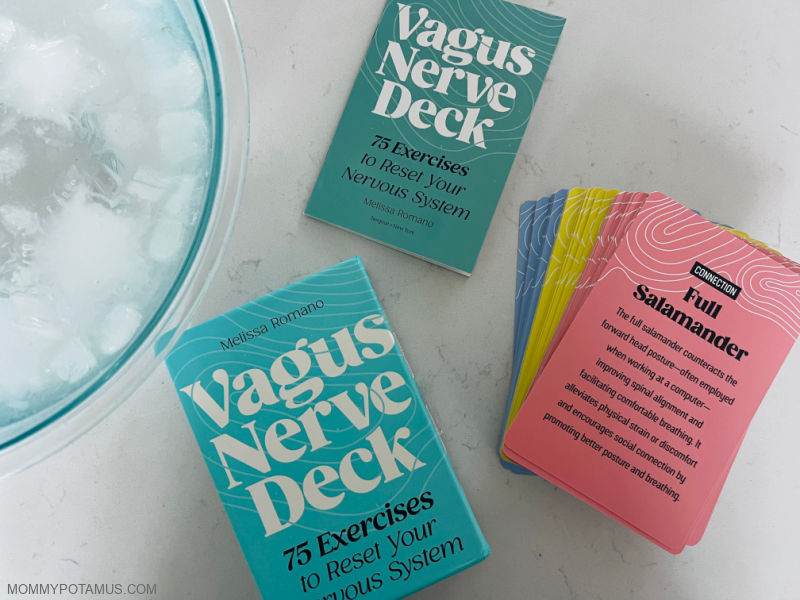
If you’re the type of person that needs to mix things up in order to stay engaged, you may get bored with this list after awhile. Fortunately, there are a lot of interesting exercises that actively strengthen vagal tone – full salamander, PSOAS safety, breath of fire and more.
If you want to try out more techniques, I highly recommend this Vagus Nerve Deck with 75 very well explained exercises. It includes suggestions for soothing an overactive fight-or-flight response, plus tools that many find helpful for “thawing” a freeze response. Everything is color coded so you can easily find what will work best in different situations.
Looking for more support?

If you feel like you’ve tried every health trend out there and aren’t experiencing the changes you’re hoping for, let’s work together to create a customized approach just for you.
As a Functional Diagnostic Nutrition Practitioner (FDN-P), I use in-depth functional lab testing with lifestyle changes to help women identify and resolve roadblocks to healing.
Sources
- Kenny, B. J., Bordoni, B. (2022). Neuroanatomy, Cranial Nerve 10 (Vagus Nerve). StatPearls Publishing.
- McDonough, M. (2024). Making Sense of Interoception. Harvard Catalyst, Harvard University.
- Bonaz, B., Sinniger, V., & Pellissier, S. (2017). Vagus Nerve Stimulation: A New Modulator of the Gut–Brain Axis in Psychiatric/Inflammatory Disorders. Frontiers in Psychiatry.
- Ma, L., Wang, H.-B., & Hashimoto, K. (2025). The vagus nerve: An old but new player in brain–body communication. Brain, Behavior, and Immunity.
- Hamilton, Jon (2025) Vagus Nerve Stimulation May Tame Autoimmune Diseases. NPR Shots: Health News.
- Lu, K.-H., Cao, J., Oleson, S., Ward, M. P., Phillips, R. J., Powley, T. L., & Liu, Z. (2018). Vagus nerve stimulation promotes gastric emptying by increasing pyloric opening measured with magnetic resonance imaging. Neurogastroenterology & Motility.
- Ertürk, Ç., & Özden, A. V. (2025) Comparison of the Acute Effects of Auricular Vagus Nerve Stimulation and Deep Breathing Exercise on the Autonomic Nervous System Activity and Biomechanical Properties of the Muscle in Healthy People. Journal of Clinical Medicine
- Bonaz, B., Sinniger, V., & Pellissier, S. (2019) Vagus Nerve Stimulation at the Interface of Brain–Gut Interactions. Cold Spring Harbor Perspectives in Medicine.
- Veldman, F., Hawinkels, K., & Keszthelyi, D. et al. (2025) Efficacy of vagus nerve stimulation in gastrointestinal disorders: a systematic review. Gastroenterology Report (Oxford).
- Bonaz, B., Sinniger, V., & Pellissier, S. (2016) Vagal tone: effects on sensitivity, motility, and inflammation. Neurogastroenterology & Motility.
- Balban, Y.ılmaz, S.-E. Walker, T., et al. (2023) Brief structured respiration practices enhance mood and reduce anxiety: a randomized controlled comparison of breathwork vs. mindfulness meditation. Cell Reports Medicine.
- Sprimont, P., Bentley, T. G. K., Cooley, K., et al. (2023) Breathing Practices for Stress and Anxiety Reduction. Brain Sciences.
- Gerritsen, R. J. S., & Band, G. P. H. (2018) Breath of Life: The Respiratory Vagal Stimulation Model of Contemplative Activity. Frontiers in Human Neuroscience.
- Soriano, R. M., Winters, R., & Gupta, V. (2024) Anatomy, Head and Neck: Laryngeal Nerves. StatPearls Publishing.
- Kalyani, B. G., Venkatasubramanian, G., Arasappa, R., et. al. (2011) Neurohemodynamic correlates of ‘OM’ chanting: A pilot functional magnetic resonance imaging study. International Journal of Yoga.
- Weitzberg, E., & Lundberg, J. O. N. (2002) Humming greatly increases nasal nitric oxide. American Journal of Respiratory and Critical Care Medicine.
- Vickhoff, B., Frøisland, D., & Frøisland, D. (2013) Music structure determines heart rate variability of singers. Frontiers in Psychology.
- Baus, T. L., Ackermann, S. P., & Laborde, S. (2025) Effects of Adding Facial Immersion to Chest-Level Water Immersion on Vagally-Mediated Heart Rate Variability. Sports
- Al Haddad, H., Laursen, P. B., & Chollet, D., et al. (2010) Effects of cold water immersion post-exercise on cardiac vagal recovery. Autonomic Neuroscience.
- Lundell, R. V., Räisänen-Sokolowski, A., & Parkkola, K., et al. (2023) A systematic review of HRV during diving in very cold water. International Journal of Circumpolar Health.
- Jungmann, M., Vencatachellum, S., Van Ryckeghem, D., et. al. (2018). Effects of cold stimulation on cardiac-vagal activation in healthy participants: randomized controlled trial. JMIR Formative Research.
- Meier, M., Unternaehrer, E., Dimitroff, S. J., et al. (2020). Standardized massage interventions as protocols for the induction of psychophysiological relaxation in the laboratory: Scientific Reports.
- Lu, K.-H., Hung, T.-H., Yang, J.-W., et. al. (2011). Effects of foot reflexology on autonomic nervous parameters and perceived stress in patients with coronary artery disease. Journal of Alternative and Complementary Medicine.
- Shanks, J., Pachen, M., Chang, J. W-H., et. al. (2023) Cardiac Vagal Nerve Activity Increases During Exercise to Enhance Coronary Blood Flow. Circulation Research.
- Guiraud, T., Labrunee, M., Gaucher-Cazalis, K., et. al. (2013). High-intensity interval exercise improves vagal tone and decreases arrhythmias in chronic heart failure. Medicine & Science in Sports & Exercise.
- Oliveira, R., & Arriaga, P. (2022) A systematic review of the effects of laughter on blood pressure and heart rate variability. HUMOR.
- Miruthula, R. (2025). Humour and the Gut-Brain Axis — Tracing the Vagal Pathway from Laughter to Health.
- Dunbar, R. I. M., Baron, R., Frangou, A., et. al. (2012). Social laughter is correlated with an elevated pain threshold. Proceedings of the Royal Society B: Biological Sciences.



SO THANK YOU SO MUCH FOR VAGUS NERVE INFO. I TRIED READING A BOOK ABOUT IT, BUT THIS IS MORE HELPFUL. IT SEEMED LIKE THE EXERCISES IN THE BOOK WERE TOO COMPLICATED. YOUR INFO IS MORE DOWN TO EARTH AND EASIER TO DO.
Just wondering: is this post just a ‘rehash’ of your other post on Vagus exercises entitled
“Vagus Nerve Exercises to Improve Digestion”? wholenewmom.com/gut-brain-axis/
Carol, the article you linked to was written by Adrienne Urban and is published on her website, Whole New Mom.
What do you think about the various gadgets out there for vagus nerve?
Thanks,
Windee