

I’ve been keeping a big batch of this tea on the counter lately, and it’s become one of my favorite ways to show my lymphatic system a little love.
Midlife has a way of making fluid balance much more noticeable. Hormonal shifts can influence how fluid moves and is retained in the body, which is one reason I’ve become more interested in the everyday things that support healthy lymph flow.
I’m not a fan of intense “detoxes” or 37-step routines, but I do value simple things that fit naturally into normal life.
This tea is one of them.
The base is a blend of cleavers and calendula, two herbs traditionally used for lymphatic support, along with dandelion leaf for fluid balance and mineral-rich nettle. From there, I change the flavor depending on what sounds good – peppermint when I want something fresh, ginger when I want a little warmth, and hibiscus when I’m in the mood for something bright and tart.
I usually make a large batch and keep it nearby so I can pour a cup whenever I want one. It’s gentle, nourishing, and easy to fit into my day. I hope it is for you, too.
As always, this recipe is not medical advice and is not intended to diagnose or treat any condition. None of these statements have been evaluated by the FDA.
Why I Chose These Herbs
When herbs are used individually, herbal references often recommend several teaspoons of a single herb per cup. In a blend, though, the herbs share the cup. Each one contributes something different while keeping the total amount of herbs reasonable.
Here’s what each one brings:
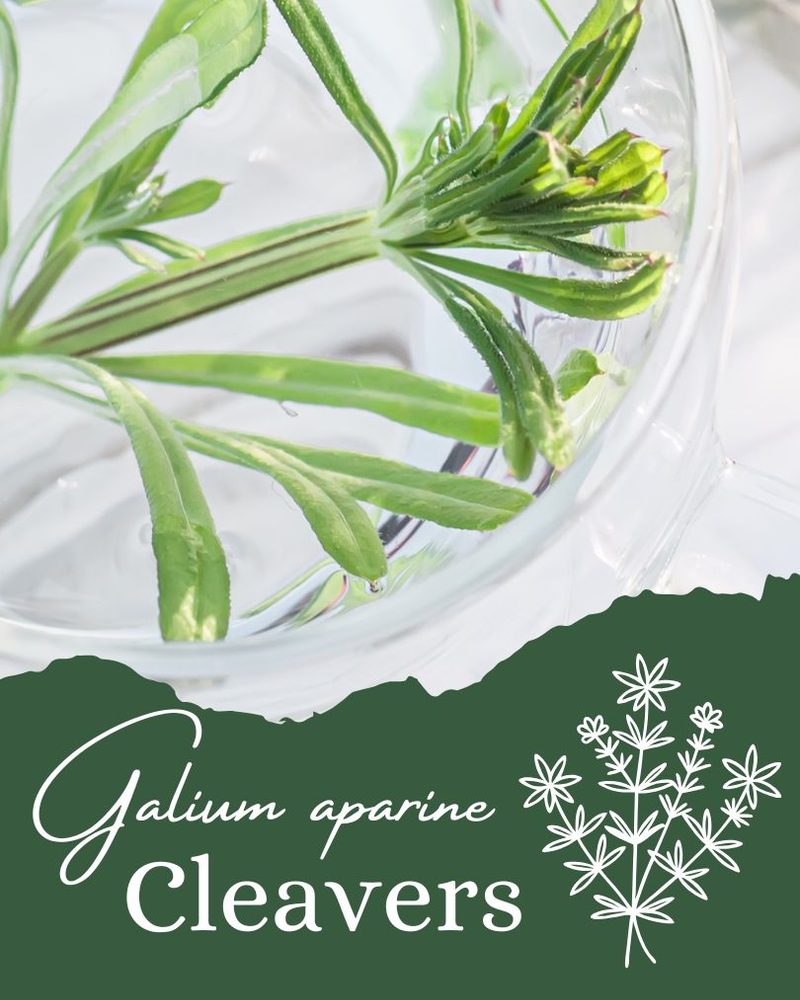
Cleavers
Cleavers is the herb I built this blend around. It’s one of the best-known lymphatic herbs in Western herbalism and has traditionally been used to support healthy lymphatic flow.
In Medical Herbalism, David Hoffmann describes it as “perhaps the best tonic available for the lymphatic system.” (1)
Its mild, grassy flavor also blends well with the other herbs rather than taking over the cup.
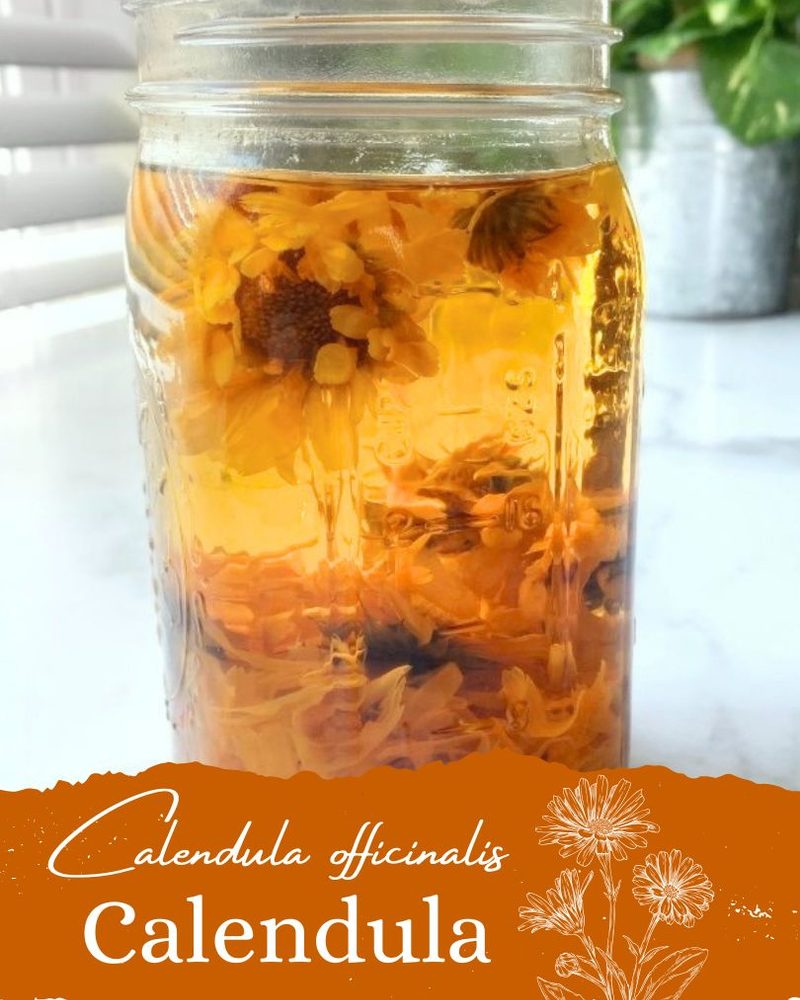
Calendula
These cheerful orange petals are probably better known for showing up in calendula oil and healing salves, but calendula also has a long history of internal use as a gentle lymphatic herb.
It adds flavonoids and other plant compounds with antioxidant and anti-inflammatory activity.
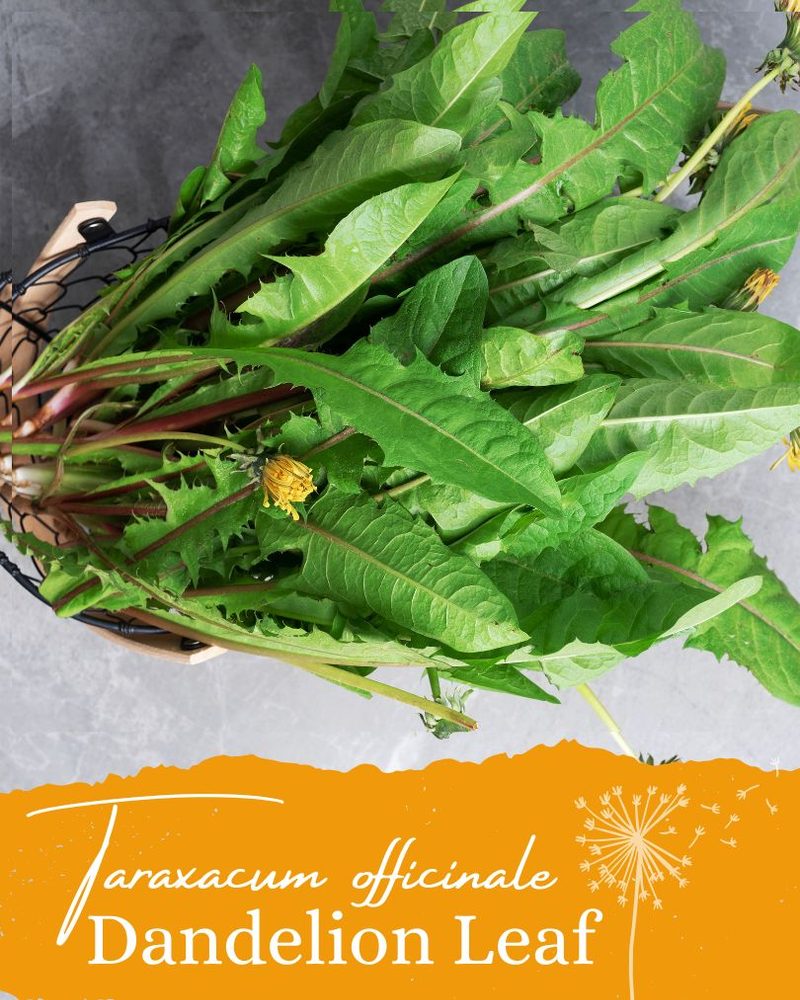
Dandelion Leaf
Dandelion leaf brings fluid-balance support to the mix. It has a long history of use as a mild diuretic, but unlike many substances that increase urinary output, dandelion leaf is naturally rich in potassium – an electrolyte that can be lost when fluid output increases.
It’s also rich in antioxidants and compounds that are traditionally used to support healthy digestion. I explain more about the different parts of the plant in my guide to dandelion.

Nettle
Nettle (Urtica dioica) rounds out the blend with steady nutritional support. It contains a wide range of minerals, including calcium, magnesium, iron, zinc, potassium, manganese, copper, selenium, and silica, along with antioxidants like quercetin and carotenoids.
Herbalists have traditionally used it as a general tonic, which is one reason I like using it in everyday teas. I share more about its traditional uses and research in my guide to nettle tea.

Peppermint, Ginger, or Hibiscus
The last ingredient is mostly about what kind of cup you’re in the mood for.
Peppermint adds a cool, fresh flavor that lifts the grassier notes of cleavers, dandelion, and nettle and makes the whole cup more delicious (a highly technical herbal term).
Ginger takes the blend in a warmer, spicier direction. It’s especially enjoyable during cooler months or anytime you want something with a little more heat. Ginger also brings its own therapeutic actions to the mix, including research supporting a healthy inflammatory response along with some interesting evidence related to thermogenesis and peripheral circulation.
Hibiscus makes the tea brighter and more tart, with a gorgeous ruby color and a fruitier flavor. It also brings anthocyanins and other polyphenols to the blend – antioxidant compounds that have been studied for their effects on oxidative stress and cardiovascular health. (2)
I rotate between all three depending on my mood. Aside from keeping the flavor interesting, it means this tea never starts feeling like something I’m drinking simply because I “should.”
Easy Ways To Change Up The Flavor

The base of this tea is intentionally mild, so it’s easy to nudge it in different directions depending on what sounds good.
For the peppermint version, try adding a strip of lemon or orange peel while it steeps, or a few fresh mint leaves if you want a brighter, fresher cup. A squeeze of lemon after steeping is nice, too.
For the ginger version, add a few thin slices of fresh ginger for more heat. A small piece of cinnamon stick, a strip of orange peel, or a little honey also works well with the warmer flavor.
For the hibiscus version, orange peel and cinnamon are especially good together. You can also add a thin slice of apple, a splash of fresh orange juice after steeping, or a little honey to round out the tartness.
And of course, any of the versions can be served over ice with citrus for a more refreshing summer tea.\
About The Tea Pitcher
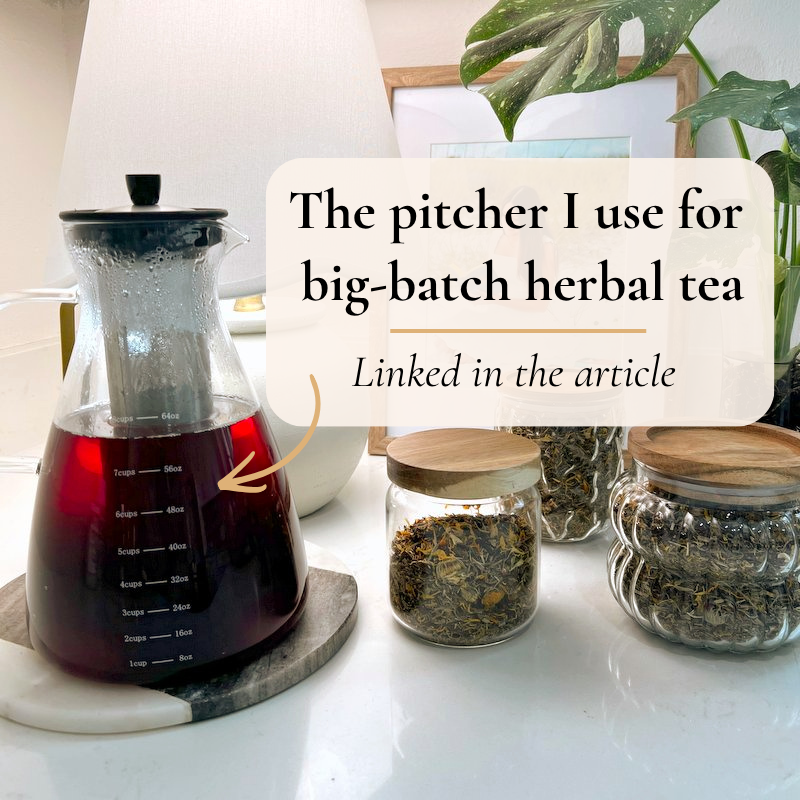
Within minutes of sharing this recipe, I started getting messages like, “Hey, I can’t wait to try this . . . but any chance you can tell me where you found that tea pitcher?”
Why yes, I can. 🙂
This Precision Brewer was gifted to me by Teabloom as part of a collection I’m testing for my holiday gift guide, and so far I’m really liking it.
It has a large capacity, which is perfect for recipes like this one, and it can be used for both cold-brew tea overnight and hot tea. You can either pour hot water directly into the pitcher or heat it on the stovetop.
The measurement markings also make it really easy to get the herb-to-water ratio right without having to pull out a measuring cup every time.
Also, I like how it looks on my countertop. 🙂
SAVE WITH MP10 🍵

Lymph Love Tea Recipe
Ingredients
- ½ cup dried cleavers
- ¼ cup dried calendula petals
- ¼ cuo dried dandelion leaf
- ¼ cup nettle leaf
- ½ cup dried flavoring herb of choice (peppermint, ginger or hibiscus)
Instructions
To Make The Blend
- If your calendula petals are long and thin, pulse them a few times in a clean coffee or spice grinder to break them into smaller pieces. This helps them disperse more evenly throughout the blend instead of collecting toward the top.
- Add the calendula and remaining herbs to a bowl and gently toss until evenly combined.
- Transfer to an airtight jar and store in a cool, dry place away from direct sunlight.
- Because dried herbs can have very different shapes and weights, give the jar a gentle shake or stir before measuring out each serving.
To Make One Cup
- Add 1 tablespoon of Lymph Love Tea to a mug or tea infuser.
- Pour 8 ounces of just-boiled water over the herbs, cover, and steep for 10–15 minutes.
- Strain and enjoy warm or chilled.
Notes
Nutrition
How Much Can I Drink?
For this blend, 1 tablespoon per 8 ounces of water makes one serving.
I’d start with one cup and see how it feels for you. If desired, up to three cups can be enjoyed throughout the day.
Because the herbs share the cup, each serving contains much less of the individual herbs than you’d typically use when brewing them on their own. Even at three cups per day, the amounts of cleavers, calendula, dandelion leaf, and nettle remain below the standalone daily preparations described in the herbal references I use.
You don’t need to drink three cups for the tea to be worthwhile, though. One cup is perfectly fine if that’s what fits naturally into your day.
A Few Safety Notes
The herbs in this blend are generally considered gentle when used appropriately, but that doesn’t mean every herb is appropriate for every person.
Cleavers, dandelion leaf, and nettle can all influence fluid balance, so people taking diuretics or medications that affect fluid or electrolyte balance should check with their healthcare provider before using medicinal amounts.
Calendula belongs to the Asteraceae family, so people with known sensitivities to plants such as ragweed, chamomile, or echinacea may want to use extra caution.
According to the Botanical Safety Handbook, ginger may increase the antiplatelet effects of nifedipine, and it’s recommended that people with active gallstone disease use it under the supervision of a qualified healthcare practitioner. (3)
And as with any medicinal herb blend, talk with your healthcare provider before using it if you’re pregnant, breastfeeding, taking medication, or managing a health condition.
More Ways To Support Healthy Lymph Flow
Tea is one way to support your lymphatic system, but it’s definitely not the only one.
Healthy lymph flow is supported by the things we do consistently – movement, hydration, breathing, and other everyday habits.
In the next article, I’ll walk through some of my favorite everyday ways to encourage healthy lymph flow – with simple practices that fit naturally into daily life.
And if you want to understand why perimenopause can sometimes make fluid balance feel so different in the first place, start with my guide to hormones, fluid balance, and the lymphatic system during perimenopause.

Sources
- Hoffmann, D. (2003). Medical Herbalism: The Science and Practice of Herbal Medicine. Healing Arts Press.
- Da-Costa-Rocha, I., Bonnlaender, B., Sievers, H., Pischel, I., & Heinrich, M. (2014). Hibiscus sabdariffa L. – A phytochemical and pharmacological review. Food Chemistry.
- Gardner, Z., & McGuffin, M. (Eds.). (2013). American Herbal Products Association’s Botanical Safety Handbook (2nd ed.). CRC Press.

So excited to try your tea blend but also very curious about the large glass tea beaker with strainer. Where can I buy that?😊
Hi Liz, you’re not the only one who asked me this today! I just added section to the article with a link to the pitcher + my thoughts on it. 🙂
Looking forward to making this tea.
Thank you for posting it.