
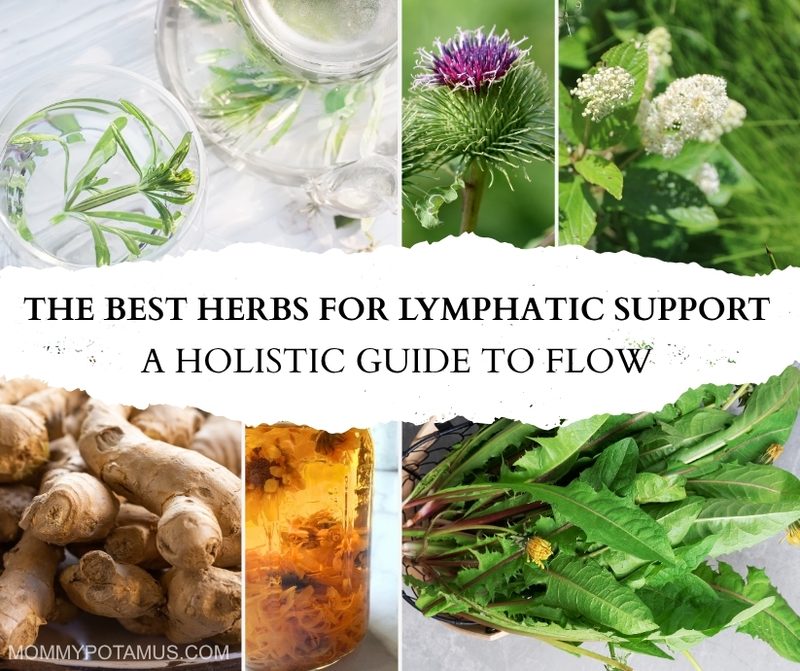
You know that friend who starts clearing plates while everyone else is still talking? They keep chatting and laughing with everyone else – but they’re also taking care of what needs to be done to keep things moving.
Whether you’re nodding yes or wondering where you can get one of those friends, you already have one: your lymphatic system.
If body systems had personality types, the lymphatic system would be the attentive, warm, capable friend working behind the scenes. It manages overflow, keeps watch for trouble, helps with cleanup, and rarely gets much attention unless something feels off.
When it doesn’t seem to be moving as efficiently as it could, you’ll sometimes hear herbalists use phrases like “sluggish lymph.” I’ll use that shorthand here, too, as we look at herbs traditionally used to encourage healthy lymphatic flow. Along the way, I’ll also highlight where modern research supports those traditional uses.
Of course, to understand why certain herbs have traditionally been used for lymphatic support, it helps to first look at what this system does for us.
Before we get to that, a quick reminder: None of these statements have been evaluated by the FDA, this article is not medical advice, and it’s not meant to diagnose or treat any condition. These herbs are used to support normal lymphatic health and aren’t a substitute for proper evaluation when needed. If you’re experiencing any symptoms that concern you, check in with your healthcare provider. And if you’re pregnant, breastfeeding, taking medication, or managing a health condition, talk with your provider before adding therapeutic herbs.
Now let’s dive in.
So, What Does the Lymphatic System Actually Do?

One of the lymphatic system’s biggest jobs is tending to the fluid environment around your cells.
To do that, it collects excess fluid from tissues and carries proteins, cellular debris, immune cells, and inflammatory signaling molecules away.
But “drainage” is only part of the story. In addition to tending the spaces around our cells, it routes lymph through nodes where the immune system can respond to potential threats, and it also helps nourish us.
Using specialized lymphatic vessels in the small intestine called lacteals , it absorbs much of the dietary fat and fat-soluble nutrients we eat.
Like many systems in the body, lymphatic function can become less efficient with age, and research suggests some aspects of lymphatic pumping may decline more in women during midlife. I take a much deeper look at that research in this article on relationship between hormones, lymph, and fluid balance during perimenopause.
The good news is that lymphatic flow is also responsive to things we do every day. Movement, muscle contractions, breathing, and other mechanical forces all help keep lymph moving.
For generations, herbalists have also used certain plants to support this system – including a group traditionally known as “lymphatics.”
What Does It Mean When an Herb Is “Lymphatic”?
In traditional herbalism, a lymphatic is an herb used to support healthy lymph function and flow. You’ll often see these herbs discussed in connection with things like tissue puffiness, swollen glands, or what herbalists describe as lymphatic congestion.
Some lymphatic herbs also fall into a broader category called alteratives. That term is a little hard to pin down because it doesn’t describe one specific action. Instead, what different alteratives have in common is that they’re traditionally used to gradually support healthy elimination, tissue function, and overall balance.
David Hoffman, a Fellow of the National Institute of Medical Herbalists in the UK and author of Medical Herbalism, describes them this way:
Alteratives are herbs that gradually restore proper function to the body and increase overall health and vitality. That sounds very unclear, and, indeed, their mode of action on the body is not understood. However, their value in holistic health care cannot be denied.” (2)
There is some evidence that botanicals can influence processes related to lymphatic circulation, but very few herbs have been studied in ways that directly measure lymph flow. (1) So, at least for now, the strongest support for many of the best-known “lymph herbs” comes from traditional herbal practice.
In the next section, we’ll cover some of the most popular ones – including why they’re loved and what modern research tells us.
Traditional Lymphatic Herbs
The three herbs in this group are the ones herbalists have traditionally reached for most directly when supporting lymphatic flow and tissue fluid balance.
Also, since the lymphatic system requires water to flow, drinking these herbs in tea form provides a dual benefit: it combines the therapeutic properties of the plant with the hydration needed to keep lymph moving. I’ve included brewing instructions with each herb.
Cleavers (Galium aparine): The Ultimate Lymph Tonic
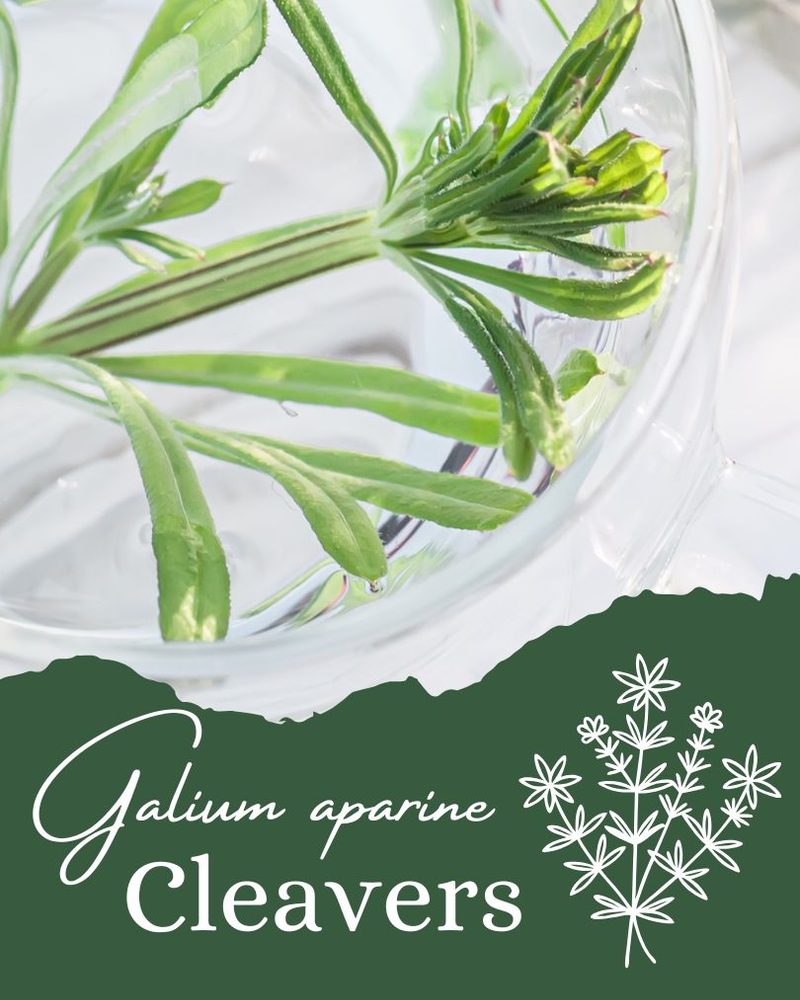
If you’ve ever walked through a field and found small, sticky green plants clinging to your socks, you’ve probably met Cleavers. In the herbal world, this “stickiness” is considered a metaphor for how it works – it “grabs” onto lymphatic congestion and pulls it out.
Cleavers is probably one of the best-known lymphatic herbs in Western herbalism. It’s traditionally considered both a lymphatic tonic and an alterative, which as I mentioned earlier is a category of herbs used to gradually restore tissue function and overall balance. It has mild diuretic activity and a reputation for being gentle, making it an excellent starting point for beginners.
David Hoffmann describes it this way in Medical Herbalism:
Cleavers is a very valuable plant, being perhaps the best tonic available for the lymphatic system.” (2)
Herbalist JJ Pursell also mentions cleavers for skin support, writing that it’s “another one to consider if you’re suffering from acne.”
I thought that was noteworthy because hormonal shifts can sometimes bring acne back into the picture during perimenopause – just when many of us thought we had left that particular rite of passage behind. In households where where perimenopause and teenage breakouts happen to be unfolding at the same time, cleavers is one to keep in mind.
Although its reputation is still based largely on traditional herbal use, modern research does give us some additional context: cleavers extracts have demonstrated immunomodulatory activity in vitro, which is interesting given the lymphatic system’s close relationship with immune function. (3)
Cleavers is also one of the easiest herbs in this guide to use as tea. Hoffmann recommends pouring 1 cup of boiling water over 2–3 teaspoons of dried herb and steeping for 10–15 minutes. In his notes, he says that this preparation can be taken three times daily. (2)
Safety: Botanical Safety Handbook – Safety Class 1; Interaction Class A. (7) I’ll explain more about the Botanical Safety Handbook classifications later in this article.
Calendula (Calendula officinalis): The Gentle Mover
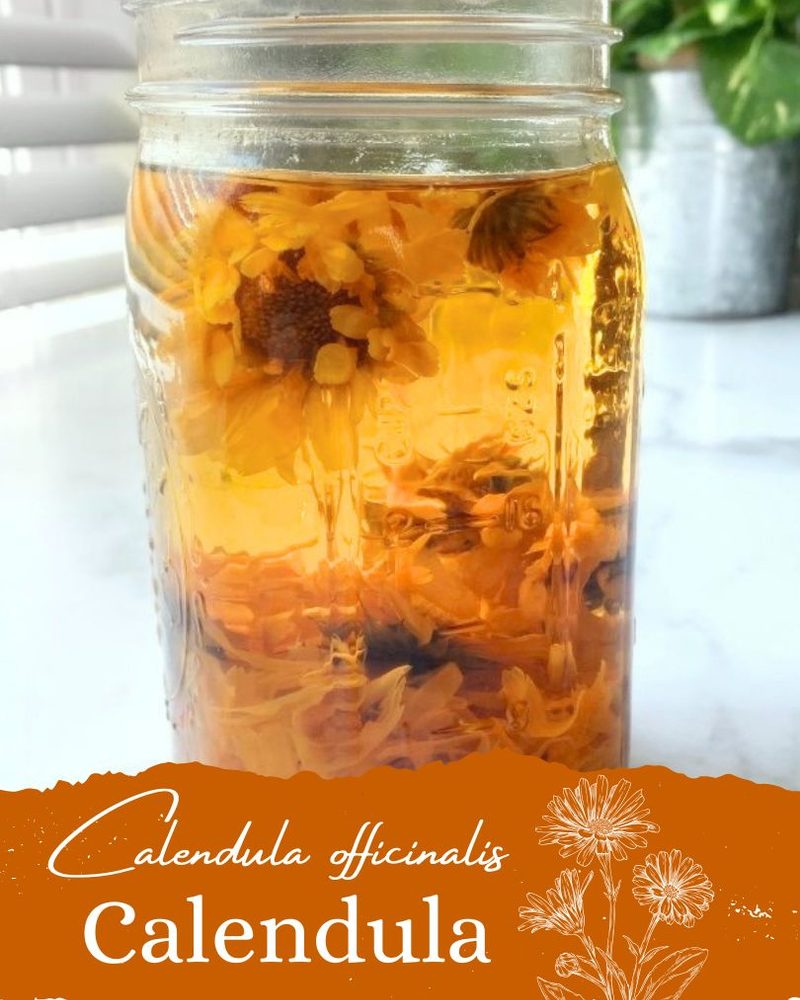
For a lot of us, calendula first shows up in a salve jar. Its sunny petals have a long history of use for soothing and supporting the skin, but herbalists also use calendula internally as a traditional lymphatic.
In The Woman’s Herbal Apothecary, herbalist JJ Pursell calls calendula a “safe and effective lymphatic system agent,” giving it a strong place in traditional lymphatic formulas. (4)
Modern research has uncovered some properties that make calendula especially interesting from a lymphatic-support perspective. Its flowers contain flavonoids and triterpenoids with antioxidant and anti-inflammatory activity, and lab research has found that calendula preparations can influence several inflammatory signaling pathways. (5) (6)
That matters because the lymphatic system is closely involved in immune activity and the movement of inflammatory signals through tissues.
It makes an easy infusion, too. Hoffmann recommends pouring 1 cup of boiling water over 1-2 teaspoons of dried calendula petals and steeping for 10–15 minutes. In his notes, he says that this preparation can be taken three times daily. (2)
Safety: Botanical Safety Handbook – Safety Class 1; Interaction Class A. (7) Calendula is in the Asteraceae family, so people with known sensitivity to other members of that family (for example, chamomile, echinacea and ragweed) may want to use extra caution. The Modern Herbal Dispensatory recommends avoiding internal use during pregnancy, although not all herbal references make the same recommendation. (8)
Red Root (Ceanothus americanus): The Old-School Lymphatic
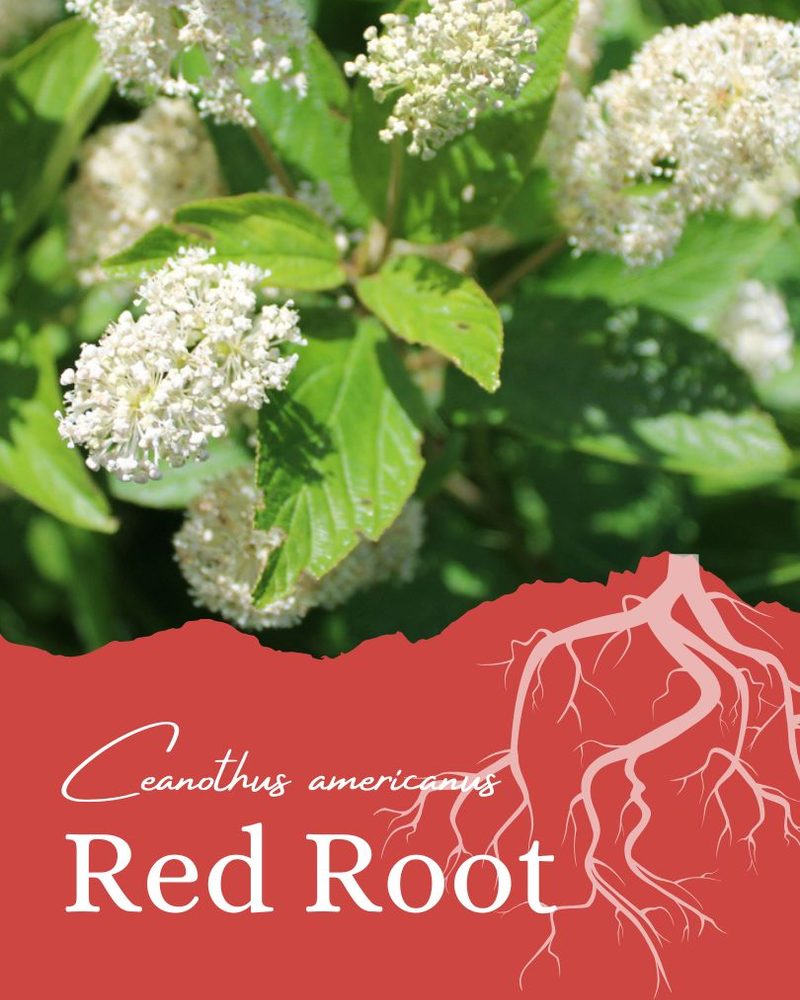
Red root is one of the more old-school lymphatic herbs in this guide. Native to North America, it was especially valued by Eclectic herbalists and physicians, who developed a reputation for using it for lymphatic system support.
In The Modern Herbal Dispensatory, Thomas Easley and Steven Horne describe red root as “a powerful lymphatic cleanser” and highlight its traditional use for spleen support. (8)
The spleen is the largest lymphoid organ in the body, and instead of filtering lymph like lymph nodes do, it filters the blood – removing aging blood cells and helping immune cells recognize and respond to potential threats.
Modern research on red root is limited, so this is one herb whose place in the guide rests mostly on its long history of traditional use.
Also, sometimes you’ll hear Ceanothus americanus called New Jersey tea. During the Revolutionary War, the leaves were used as a tea substitute. For lymphatic support, though, herbal preparations are made from the root.
Because roots are tougher than leaves and flowers, red root is prepared as a decoction (long simmered tea) rather than an infusion. The Modern Herbal Dispensatory recommends simmering 1 ounce (by weight) of dried root in 1 quart of water for 10–20 minutes, then removing it from the heat and allowing it to steep for another hour. Their suggested serving is 2–4 ounces. (8)
Safety: Botanical Safety Handbook – Safety Class 1; Interaction Class A. (7) According to The Modern Herbal Dispensatory, it should not be used during acute inflammation of the spleen. (8)
Beyond Traditional Lymphatics
Not every herb that supports lymphatic health is a traditional “lymphatic.” Some earn a place in this guide because they support other processes the lymphatic system works alongside – including fluid balance, immune activity, and a healthy inflammatory response.
Dandelion leaf is a good example.
Dandelion (Taraxacum officinale): Fluid Balance Support
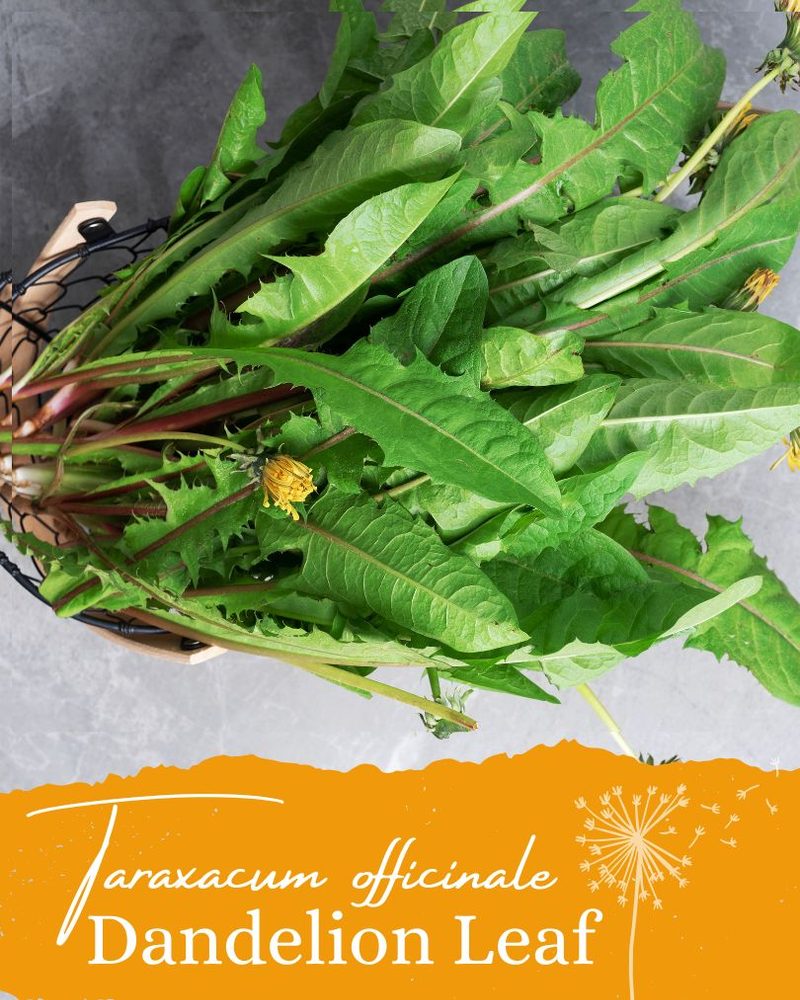
“Dandelion is a generous plant in that every part of it can be used as food or medicine,” writes Rosalee de la Forêt in Alchemy of Herbs. (17) And it’s true – dandelion flowers, roots and leaves can be made into nourishing salads, teas, decoctions, tinctures, syrups, skin healing salves and more.
The root is traditionally preferred for digestion and liver support, while the leaf has a long history of use for supporting digestion and urinary output. I explain the differences between the roots, leaves, and flowers in my complete guide here.
While it’s true that supporting urinary output isn’t the same thing as directly increasing lymph flow, fluid regulation and lymphatic function are closely intertwined.
In a pilot study of 17 adults, a fresh dandelion leaf extract increased urination frequency after the first dose and increased the ratio of urine output to fluid intake after the second. It was a small, one-day study using an extract rather than tea, but the findings support dandelion leaf’s long-standing reputation as a mild diuretic. (9)
Dandelion leaf also contains something many diuretic herbs don’t: potassium. It’s naturally rich in this electrolyte, which can be lost when urinary output increases. (2)
The European Medicines Agency also recognizes dandelion leaf’s traditional role in supporting urinary output, based on its long history of therapeutic use. (10)
For tea, Hoffmann recommends pouring 1 cup of boiling water over 1–2 teaspoons of dried dandelion leaf and steeping for 10–15 minutes. In his notes, he says that this preparation can be taken three times daily. (2)
Safety: Botanical Safety Handbook – Safety Class 1; Interaction Class A. (7)
Burdock Root (Arctium lappa): Long-term Systemic Support
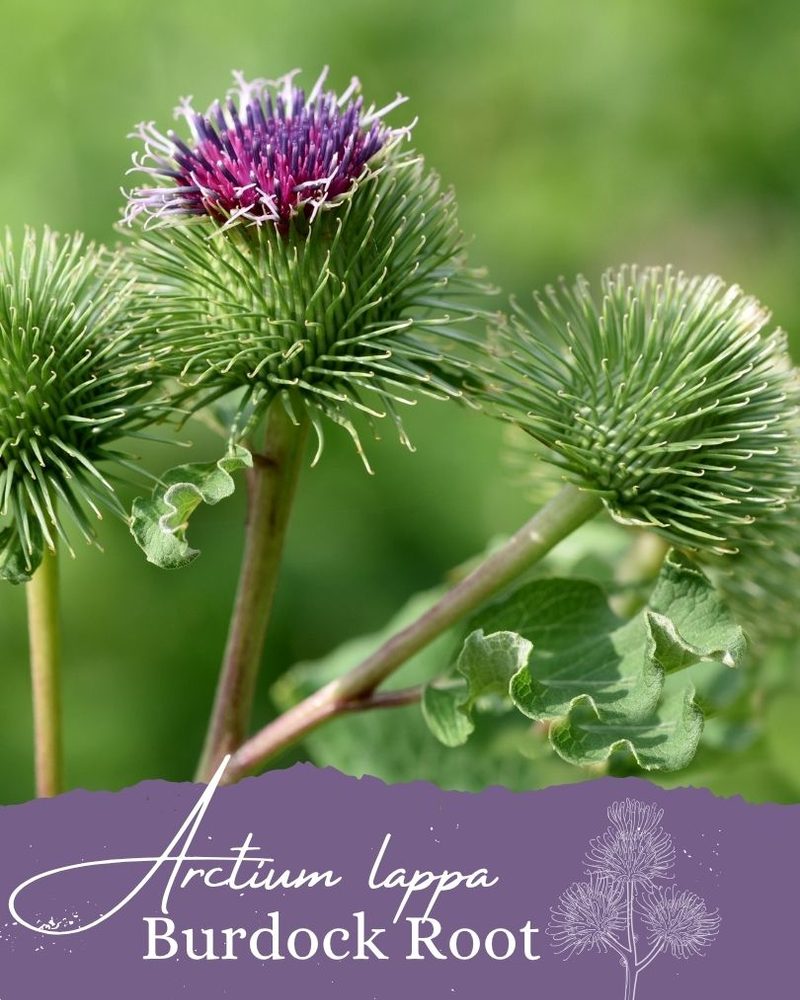
Burdock root a traditional alterative with a slow-and-steady reputation. Herbalists have traditionally used the root when they’re looking for broad, gradual support for the lymphatic system, skin, liver, and healthy elimination.
That liver connection is also one reason burdock shows up in traditional formulas for hormonal support. In The Woman’s Herbal Apothecary, JJ Pursell writes, “As with any liver supporting herbs, you’ll get hormonal support.” (4)
David Hoffmann describes burdock’s role more broadly in Medical Herbalism, writing that it helps move the body toward “a state of integration and health, improving indicators of systemic imbalance, such as skin problems and dandruff.” (2, emphasis mine)
Modern research gives us another reason to consider burdock root for overall lymphatic support: it’s influence on inflammation.
In a randomized controlled trial, 36 adults with knee osteoarthritis drank either plain water or 3 cups of burdock root tea daily for 6 weeks. The burdock group experienced significant reductions in the inflammatory markers IL-6 and hs-CRP, along with improvements in several markers of oxidative stress. That doesn’t tell us whether burdock changes lymph flow, but it does give us modern evidence for one of its broader actions: supporting a healthy inflammatory response. (11)
If burdock is new to you, I have a full guide here with more on its history and traditional uses.
Because it’s a dense root, it does better with a little simmering. Hoffmann recommends adding 1 teaspoon of dried root to 1 cup of water, bringing it to a boil, and simmering for 10–15 minutes. In his notes, he says that this preparation can be taken three times daily. (2)
Safety: Botanical Safety Handbook – Safety Class 1; Interaction Class A.
Astragalus (Astragalus membranaceus): Immune Support
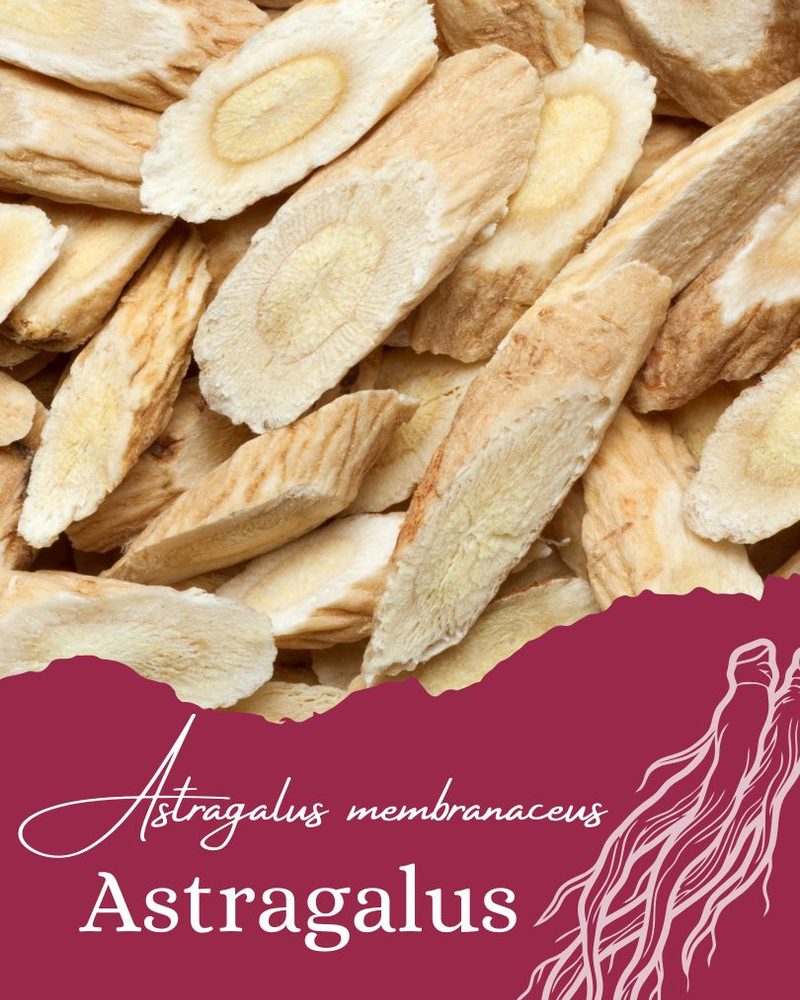
Astragalus isn’t a traditional lymphatic in the same way cleavers, calendula, and red root are, but it earns a place here because the lymphatic system is deeply connected with immune function.
Used for centuries in Traditional Chinese Medicine (TCM), astragalus is best known as an immune-supporting tonic. Its Chinese name, huáng qí, means “yellow leader” – a nod to the golden color of the root and its important place in traditional herbal practice.
Modern research gives us some pretty interesting support for that reputation. A 2023 systematic review and meta-analysis of 19 human studies involving 1,094 participants found that astragalus influenced both cellular immune markers and inflammatory cytokines. (12) The studies varied quite a bit in quality and design, so there’s still more to learn, but the findings help explain why astragalus has been so closely associated with immune support for centuries.
Here’s why I included it in this guide: Lymph carries immune cells throughout the body, and lymph nodes provide gathering places where those cells can recognize and respond to potential threats. Astragalus may not directly “move lymph,” but its traditional role in immune support overlaps with one of the lymphatic system’s most important jobs.
I take a much deeper look at this root in this guide to its benefits and uses.
Astragalus contains immune-supporting polysaccharides that respond very well to hot water extraction, but the root is dense and requires a bit of simmering. Hoffmann recommends adding 2–4 teaspoons of dried root to 1 cup of water, bringing it to a boil, and simmering for 10–15 minutes. In his notes, he says that this preparation can be taken three times daily. (2)
Safety: Botanical Safety Handbook – Safety Class 1; Interaction Class B. (7) The Interaction Class B rating means a clinically relevant medication interaction is considered biologically plausible.
One particular concern is immunosuppressant medication. Because astragalus can influence immune activity, NCCIH notes that it may interact with medications that suppress the immune system and recommends talking with a healthcare provider before using it alongside medications. (13)
Safety data during pregnancy and breastfeeding is limited, and NCCIH notes that some animal research has raised concerns during pregnancy. I’d check with a healthcare provider before using therapeutic amounts while pregnant or breastfeeding. (13)
Ginger (Zingiber officinale): The Warming Herb
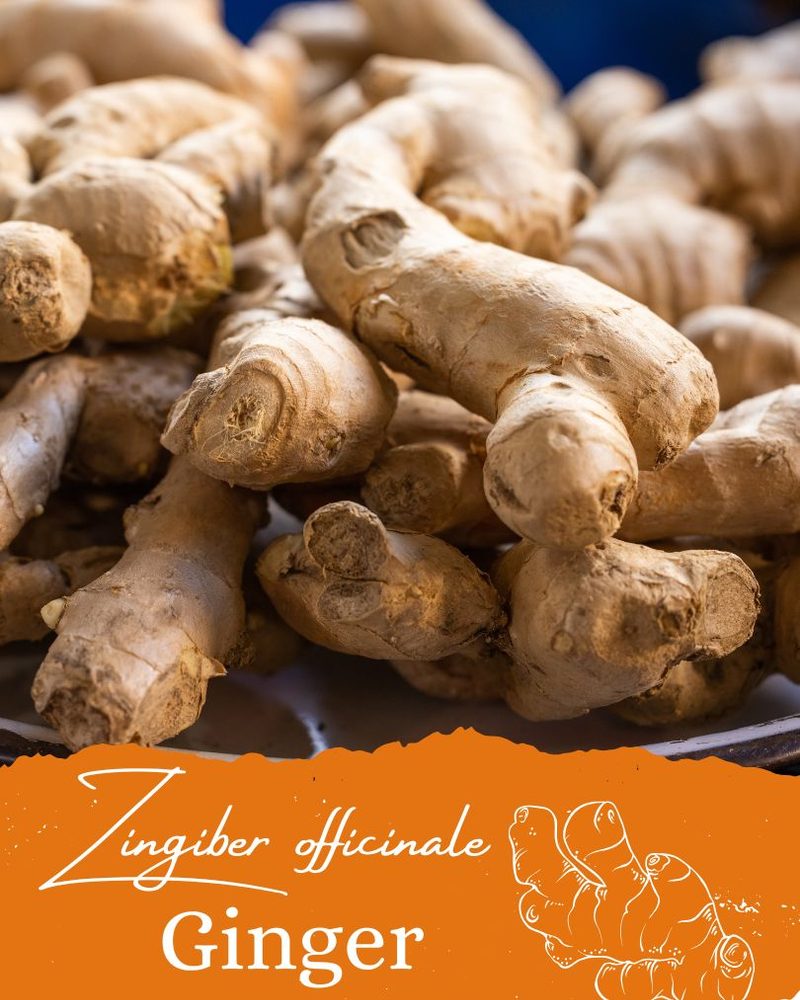
Ginger brings something a little different from the other herbs in this guide: warmth. Herbal traditions have long described ginger as a warming herb, which probably won’t surprise anyone who has felt its gentle heat spread through their body after a strong cup of ginger tea.
Modern research gives that experience an interesting physiological counterpart. In one small human study, a hot ginger drink increased thermogenesis – the amount of energy the body produces as heat after eating. Another placebo-controlled study found that ginger extract increased deep peripheral blood flow in some women. (14)
Neither study looked at lymph flow directly, but they help explain why ginger can still be useful here: it supports circulation and brings movement and heat to a blend.
Ginger is also well-known for its anti-inflammatory effects, which are well-supported by research. In a meta-analysis of 16 randomized controlled trials involving 1,010 people, ginger significantly reduced several inflammatory markers, including CRP, hs-CRP, and TNF-α. That adds another useful dimension to ginger’s warming, circulation-supporting role. (15)
Safety: Botanical Safety Handbook — Safety Class 1; Interaction Class B. Ginger is generally considered safe when used appropriately, but clinically relevant medication interactions are considered biologically plausible. The handbook specifically notes that ginger may increase the antiplatelet effects of nifedipine, and recommends that people with active gallstone disease use it under the supervision of a qualified healthcare practitioner. (7)
What About Red Clover?
Red clover (Trifolium pratense) deserves a mention here because it has a long history of use as an alterative and lymphatic herb. Herbalists have traditionally reached for it to support healthy elimination and for chronic skin concerns like eczema. In The Woman’s Herbal Apothecary, JJ Pursell describes it as an herb that “aids in reducing metabolic waste,” while David Hoffmann also highlights its traditional use for skin conditions. (4) (2)
So why didn’t I include it among my go-to herbs above?
Red clover brings an additional consideration to the table: phytoestrogens. It contains isoflavones such as formononetin and biochanin A, which can interact with estrogen receptors. That’s actually one reason red clover has attracted so much attention for menopausal symptoms, although research on those benefits has been mixed and continues to unfold. (16)
In my opinion, phytoestrogens aren’t inherently good or bad, but they do add another variable to consider – especially during perimenopause, when the hormonal environment can vary a lot from one woman to another. For general lymphatic support, I think there are simpler options that don’t require us to try to factor phyoestrogens in.
That doesn’t mean red clover never has a place. It just means I’d choose it more intentionally, based on the person and the reason for using it, instead than making it a default choice for everyday lymphatic support.
Safety: Botanical Safety Handbook – Safety Class 1; Interaction Class A. (7) Because red clover contains phytoestrogens, pregnancy and breastfeeding deserve additional caution; NCCIH states that red clover supplements may be unsafe during pregnancy or breastfeeding. (16) Hoffmann also advises caution with anticoagulant medications because red clover may potentiate their effects. (2)
Brewing Basics
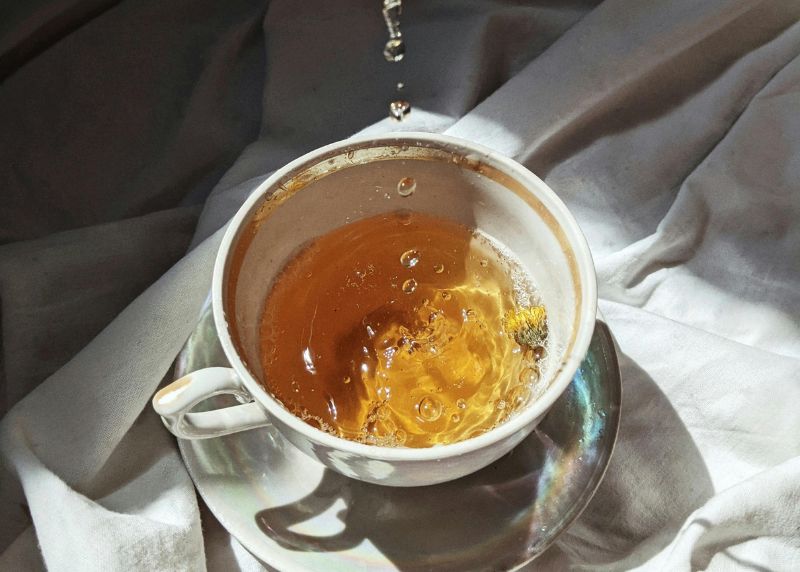
You probably noticed that some of these herbs are steeped while others are simmered. That mostly comes down to the part of the plant you’re working with.
Leaves and flowers like cleavers, calendula, and dandelion leaf are generally best prepared as infusions – essentially a stronger, longer-steeped tea. Roots like burdock, astragalus, and red root usually need a decoction, which means gently simmering them to extract their constituents.
Ginger is a little more flexible. Fresh or dried ginger can be infused or simmered for warmth and flavor.
I’ve included preparation amounts with each herb above so you can follow the guidance that applies to the one you’re using.
A Quick Note About Safety
Throughout this guide, I’ve mentioned the Botanical Safety Handbook, which evaluates herbs using two separate classifications.
Safety Class 1 means an herb can be safely consumed when used appropriately. The Interaction Class describes the likelihood of clinically relevant interactions with medications. Class A means no clinically relevant interactions are expected, while Class B means an interaction is considered biologically plausible. (7)
Those ratings are helpful starting points, but they don’t account for every individual circumstance. Pregnancy, breastfeeding, medications, allergies, and certain health conditions may all change what’s appropriate, which is why I’ve noted specific cautions where they apply.
Building Your Lymphatic Toolkit
I personally think of these herbs as options, not a checklist. Some are better suited to particular goals, and a few work especially well together.
In the next article, I’m taking several of my favorites from this guide and turning them into a simple Lymph Love Tea – with a couple of nourishing additions for flavor and overall support.
Also, herbs are only one piece of the equation. Movement, breathing, muscle contractions, and other everyday habits also help support healthy lymph flow, so we’ll be getting into those soon, too.
Sources
- Wheat, J., Currie, G., Kiat, H., & Bone, K. (2009). Improving Lymphatic Drainage With Herbal Preparations: A Potentially Novel Approach to Management of Lymphedema. Australian Journal of Medical Herbalism
- Hoffmann, D. (2003). Medical Herbalism: The Science and Practice of Herbal Medicine. Healing Arts Press.
- Ilina, T., Skowrońska, W., Kashpur, N., Granica, S., Bazylko, A., Kovalyova, A., Goryacha, O., & Koshovyi, O. (2020). Immunomodulatory Activity and Phytochemical Profile of Infusions from Cleavers Herb. Molecules.
- Pursell, J. J. (2018). The Woman’s Herbal Apothecary: 200 Natural Remedies for Healing, Hormone Balance, Beauty and Longevity, and Creating Calm. Fair Winds Press.
- Preethi, K. C., Kuttan, G., & Kuttan, R. (2009). Anti-inflammatory Activity of Flower Extract of Calendula officinalis Linn. and Its Possible Mechanism of Action. Indian Journal of Experimental Biology.
- Prabhu Venkatesh, D., Gheena, S., Ramani, P., Rajeshkumar, S., & Ramalingam, K. (2023). In Vitro Evaluation of Antioxidant and Anti-inflammatory Potentials of Herbal Formulation Containing Marigold Flower (Calendula officinalis L.) Tea. Cureus.
- Gardner, Z., & McGuffin, M. (Eds.). (2013). American Herbal Products Association’s Botanical Safety Handbook (2nd ed.). CRC Press.
- Easley, T., & Horne, S. (2016). The Modern Herbal Dispensatory: A Medicine-Making Guide. North Atlantic Books.
- Clare, B. A., Conroy, R. S., & Spelman, K. (2009). The Diuretic Effect in Human Subjects of an Extract of Taraxacum officinale Folium Over a Single Day. The Journal of Alternative and Complementary Medicine.
- European Medicines Agency. (2011). Taraxaci folium (Dandelion Leaf).
- Maghsoumi-Norouzabad, L., Alipoor, B., Abed, R., Eftekhar Sadat, B., & Mesgari-Abbasi, M. (2016). Effects of Arctium lappa L. (Burdock) Root Tea on Inflammatory Status and Oxidative Stress in Patients with Knee Osteoarthritis. International Journal of Rheumatic Diseases.
- Zhang, X., Qu, X., & Zou, Y. (2023). The Effect of Astragalus on Humoral and Cellular Immune Response: A Systematic Review and Meta-Analysis of Human Studies. Complementary Medicine Research.
- National Center for Complementary and Integrative Health. (2025). Astragalus: Usefulness and Safety. National Institutes of Health.
- Mansour, M. S., Ni, Y.-M., Roberts, A. L., Kelleman, M., RoyChoudhury, A., & St-Onge, M.-P. (2012). Ginger Consumption Enhances the Thermic Effect of Food and Promotes Feelings of Satiety Without Affecting Metabolic and Hormonal Parameters in Overweight Men: A Pilot Study. Metabolism.
- Morvaridzadeh, M., Fazelian, S., Agah, S., Khazdouz, M., Rahimlou, M., Agh, F., Potter, E., Heshmati, J., & Heshmati, S. (2020). Effect of Ginger (Zingiber officinale) on Inflammatory Markers: A Systematic Review and Meta-Analysis of Randomized Controlled Trials. Cytokine.
- National Center for Complementary and Integrative Health. (2025). Red Clover: Usefulness and Safety. National Institutes of Health.
- de la Forêt, R. (2017). Alchemy of Herbs: Transform Everyday Ingredients into Foods & Remedies That Heal. Hay House.


This was fabulous! I am looking forward to the Lymph love tea recipe! All the best and thank you!
Amazing article, I appreciate all the research.