
So, you decided to transition your wardrobe to more natural fibers, and you start by picking up a few organic cotton pieces. They feel good on your skin – and look great, too – so of course you start looking around for other things to try.
Things go pretty well at first – maybe you pick up the most comfortable wool bralette ever – but as you keep looking around you find yourself saying things like “Wait, bamboo viscose is rayon? That doesn’t sound natural.”
Yep, things get murky pretty quickly, and what’s on my “approved” list (and what isn’t) may surprise you.
Here’s what you need to know:
Decoding Fabric Types
There are four main categories of fabrics – and knowing which is which can choose better and protect what matters most.
Plant-based natural fabrics come from renewable crops like cotton, hemp, and flax (used to make linen). They’re breathable, soft, and generally biodegradable — meaning they return to the earth instead of clogging up landfills.
Animal-based natural fabrics are derived from animals and include wool, silk, and cashmere. Like their plant-based counterparts, they’re breathable and biodegradable, but they also bring unique insulating and moisture-wicking properties.
Semi-synthetic fabrics start with a natural material such as bamboo or beechwood pulp but are transformed through chemical processing. Some versions (like most bamboo viscose) rely on harsh solvents, while others (like Tencel® or lyocell) use cleaner, closed-loop systems that create non-toxic fibers while minimizing environmental impact.
Synthetic fabrics are made entirely from petrochemicals — polyester, nylon, acrylic, olefin, and spandex are the most common. They all shed microplastics, and many are treated with chemicals such as PFAS, formaldehyde, and phthalates to make them softer, stretchier, more durable, or more resistant to stains and wrinkles.
As I wrote about here, these chemicals don’t just stay in the fabric — they can be absorbed through our skin.
That said, not all synthetics are created equal. Some responsible brands use small amounts of nylon or elastane to add shape and longevity to natural-fiber garments – especially activewear or intimates – without the harsh chemical finishes. These blends still shed some microfibers, but typically much less than fully synthetic pieces, and they can extend the usable life of clothing made primarily from natural materials.
Not All Natural Fabrics Are Created Equal
It’s easy to assume that if a fabric comes from plants or animals, it’s automatically safe and sustainable – but that’s not always the case. Some natural fibers live up to their reputation beautifully, while others are grown or processed in ways that make them far less eco-friendly than they seem.
Let’s sort through the standouts (and the ones to think twice about) so you can shop with confidence. I’m going to include a few brand recommendations for each fiber I recommend, and soon I’ll be sharing a guide with a lot more options for each category.
Organic Cotton
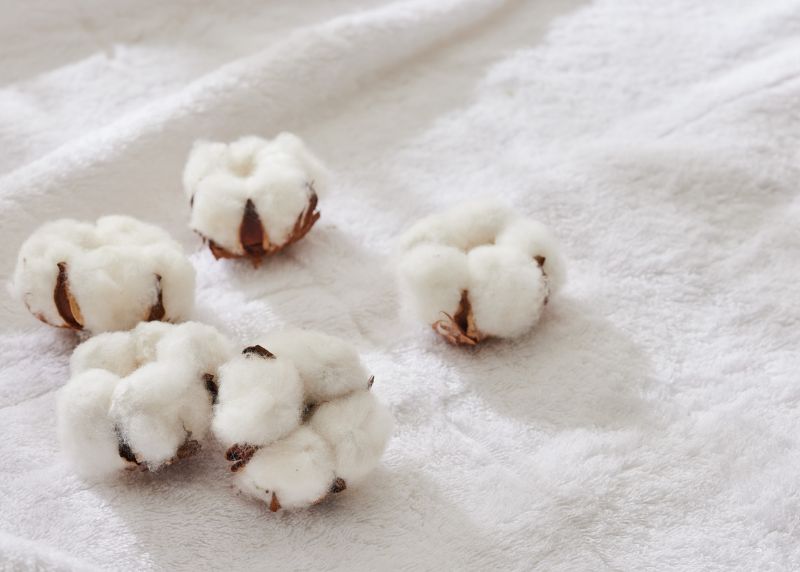
Cotton is a natural, plant-based fiber – in fact, it’s the second most common fiber in the world after polyester. You’ll find it in everything from pajamas and jeans to towels and tea cloths, and despite the rise of synthetics, cotton remains a wardrobe essential (especially when it comes to denim).
What makes cotton so loved is how it behaves in real life:
- Durability: It can stand up to frequent washing and everyday wear.
- Comfort: Soft, breathable, and gentle on skin – ideal for all-day comfort.
- Absorbency: Naturally good at soaking up moisture, which is why we reach for cotton towels and tees.
- Color friendliness: It holds dye beautifully, so colors stay rich after washing.
- Biodegradability: Being plant-based, it breaks down faster than synthetic fabrics when discarded.
That said, not all cotton is grown the same way.
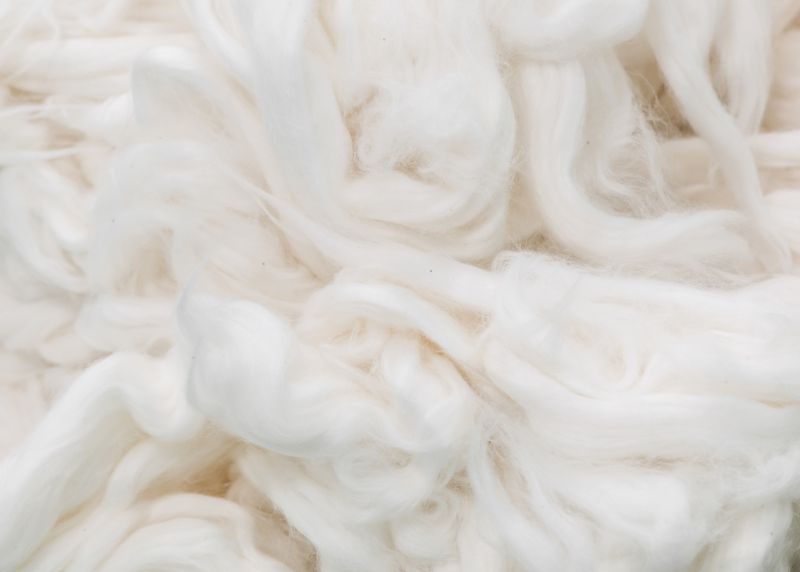
Organic cotton is cultivated without synthetic fertilizers, pesticides, or genetically modified seeds. This approach supports biodiversity, healthier soil, and safer working conditions for farmers. It first gained momentum in the 1980s as part of a broader movement toward sustainable agriculture – and while it’s not without challenges, it easily earns a spot in the Best category.
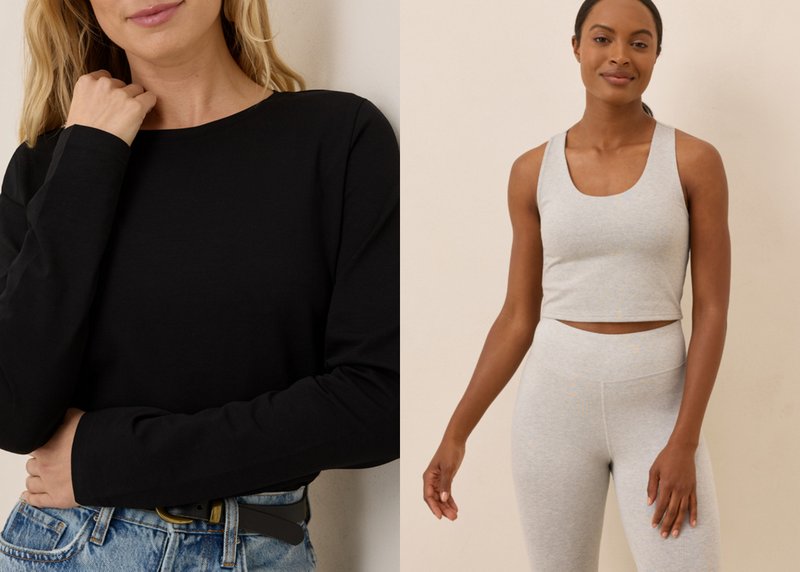
If you’re ready to swap a few everyday essentials for healthier ones, Pact is a great place to start. Their pieces are made from pure organic cotton whenever possible, they use Fair Trade Certified factories, and their packaging is completely plastic-free. It’s an easy way to swap your everyday basics – tees, underwear, leggings, loungewear, and even sheets.
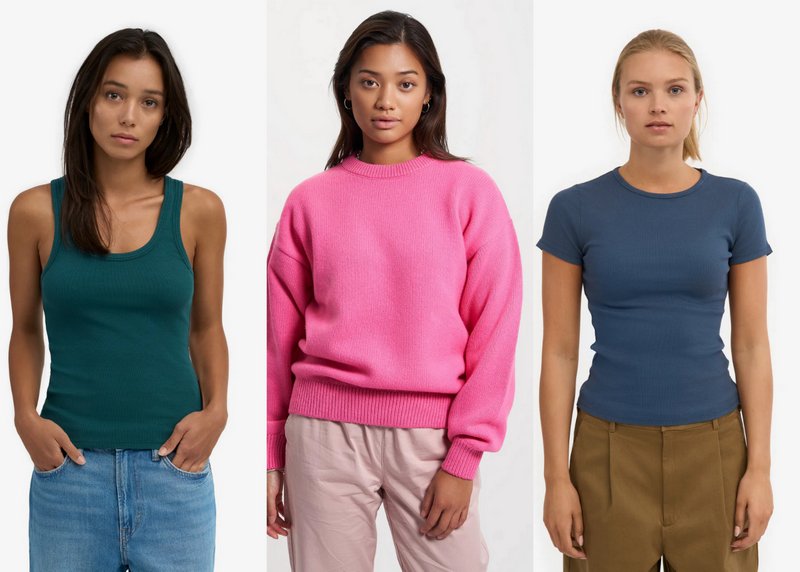
If you want more vibrant colors, Colorful Standard is a great option. They make vibrant, richly colored basics using GOTS-certified organic cotton, recycled merino wool, and OEKO-TEX® dyes that are safer for both your skin and the planet.
🔥 CLICK THE BUTTON BELOW TO SAVE 20%
Conventional Cotton
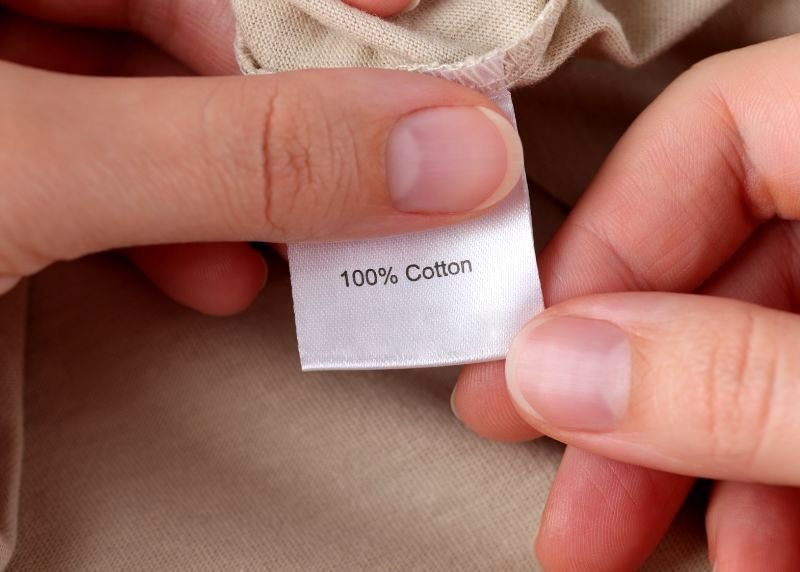
So how does conventional cotton compare? The answer is… complicated. Roughly 75% of non-organic cotton grown today is genetically modified (GMO) and relies heavily on synthetic fertilizers, pesticides, and herbicides. (1) Over time, this can lead to herbicide-resistant weeds, harm to beneficial insects, and disrupted soil biodiversity.
That said, there’s nuance here: according to cotton manufacturer Barnhardt, once conventional cotton is cleaned using a Totally Chlorine-Free (TCF) purification process, no genetically modified proteins remain in the finished fiber. (1)
Purified cotton may carry chemical residues or be dyed with toxic colorants – but while it’s not as ideal as certified organic cotton, it’s often a far better choice than synthetics like polyester. When an organic version of an item I need is out of my budget or not available, 100% cotton is what I look for first.
Merino Wool
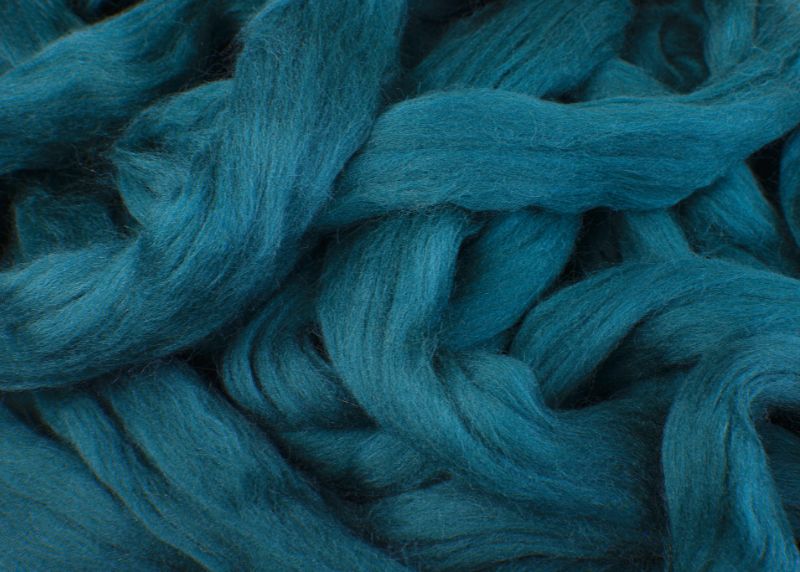
Merino wool comes from Merino sheep, a breed prized for producing some of the finest and softest wool in the world. The fibers are much thinner than regular wool and have fewer scales, which gives Merino its smooth, non-itchy feel – a big reason it’s loved even by people who usually can’t wear wool comfortably.
But softness is only part of the story. Merino wool is a protein-based fiber that’s both hygroscopic (able to absorb water vapor) and hydrophilic (able to hold it), meaning it actively helps regulate moisture and temperature. When it’s cold, the natural crimp of the fibers traps air to keep you warm; when it’s warm, it releases moisture and heat, helping your body stay comfortable year-round.
That same ability to manage moisture also explains one of Merino’s most celebrated traits — odor resistance. Because the fibers absorb sweat vapor before bacteria have a chance to multiply, Merino clothing can be worn multiple times between washes without smelling — a quality athletes, travelers, and parents all appreciate.
Beyond comfort, Merino is also:
- Durable and elastic: Its natural curl and springiness help it maintain shape and resist wrinkles.
- Sustainably renewable: Wool grows back season after season, and pure wool garments can be recycled into insulation, blankets, or even new yarn.
- Biodegradable: When composted, it breaks down naturally and returns nutrients to the soil.
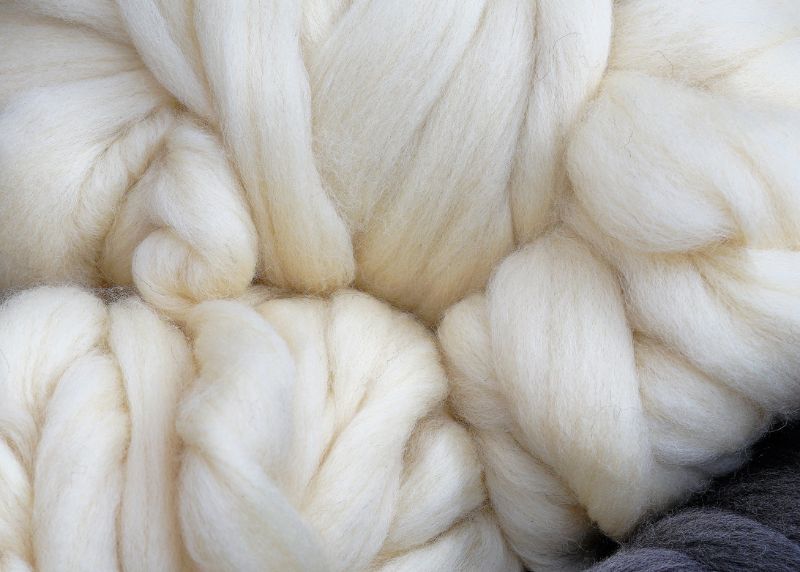
In terms of performance, few natural fibers compare – Merino wool can absorb up to 30 % of its weight in moisture without feeling wet, and one study found it buffers moisture about 96 % better than polyester, all while helping maintain a more stable microclimate next to the skin.(2)
One thing to consider, however, is how the wool is sourced. Look for certifications such as ZQ Merino or Responsible Wool Standard (RWS), which ensure animal welfare, environmental stewardship, and ethical farming practices.
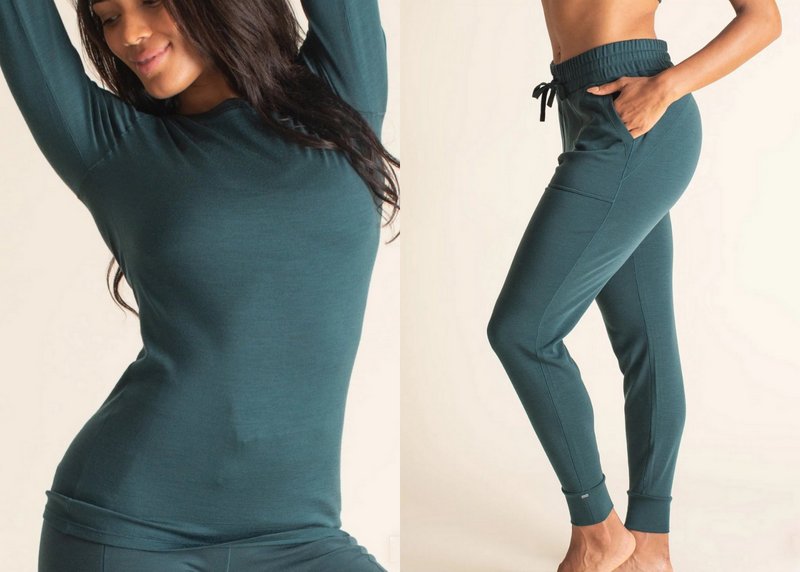
If you want merino pieces that feel good on your skin and hold up well over time, BRANWYN is a great place to look. They make merino wool leisurewear and activewear that’s soft, breathable, and consistently rated for durability – the kind of basics you reach for again and again.
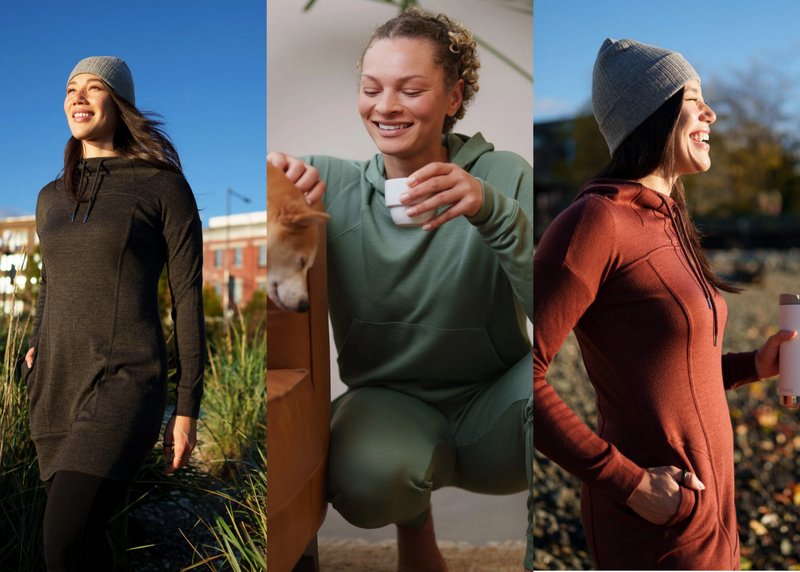
Woolly Clothing Company is also on my shortlist to test this year. Their line includes leggings, tees, hoodies, fleece jackets and more, all made with 95–100% ethically sourced Australian merino wool. Their pieces are designed for comfort and temperature regulation – which is exactly what merino does best.
🔥 USE CODE MP15 FOR 15% OFF
Cashmere
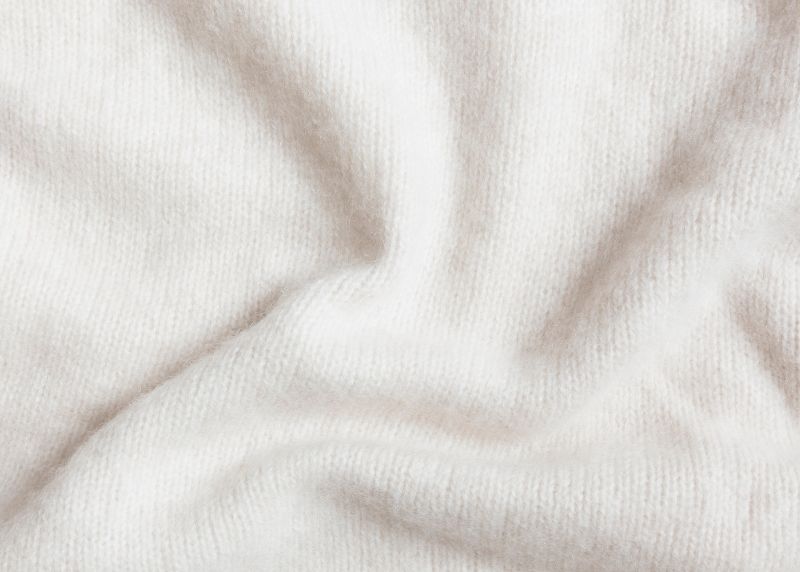
Cashmere is one of the most prized types of wool – soft, warm, and naturally elegant. It’s sourced from the fine undercoat of the cashmere goat, a breed traditionally raised across Central and Northern Asia, including Tibet and Nepal. The fiber takes its name from the Kashmir region between India and Pakistan, famous for its luxurious pashmina scarves.
Today, most cashmere comes from China, Mongolia, Iran, and Afghanistan, with Mongolia ranking it as one of its top exports. The fibers are exceptionally fine — even more so than Merino – which gives cashmere its signature lightness and silky softness.
Despite being delicate, cashmere offers remarkable warmth for its weight and drapes beautifully, making it a favorite for sweaters, scarves, coats, and high-end knitwear. It absorbs and retains moisture much like wool, adding to its comfort in both cool and temperate climates.
Benefits of Cashmere:
- Warmth without bulk: Exceptionally insulating yet lightweight.
- Soft, luxurious texture: One of the smoothest natural fibers against the skin.
- Beautiful drape: Naturally elegant fall and flow in garments.
- Moisture-regulating: Helps maintain comfort by absorbing humidity.
- Timeless appeal: Valued for its rarity, craftsmanship, and longevity.
Although cashmere is considered a luxury fiber, it’s also one to approach thoughtfully: overproduction has led to environmental strain in some regions, especially Mongolia, where overgrazing threatens grassland ecosystems. Choosing ethically sourced or recycled cashmere helps support sustainable practices while preserving the luxury and character of this exceptional material.
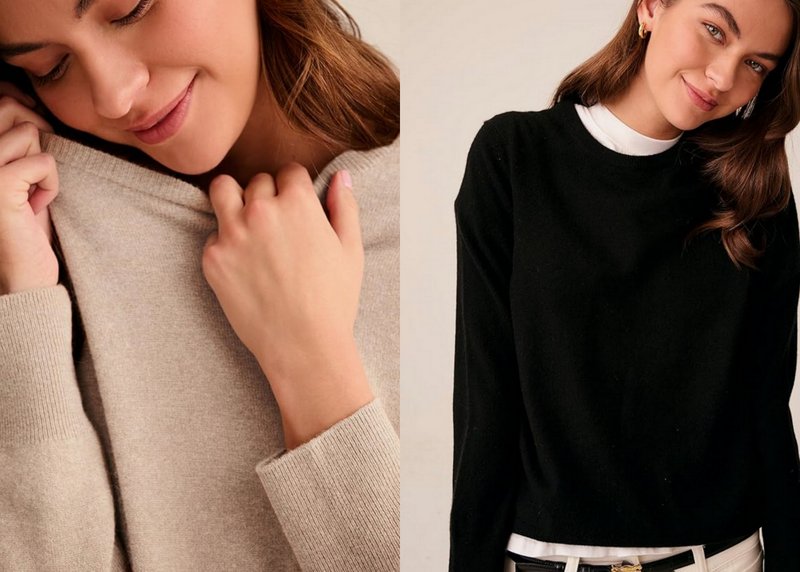
If you want real cashmere without the luxury markup, NAADAM is a brand to look at first. Their Original Cashmere Crewneck is a perennial best-seller for a reason: it’s soft, warm, timeless in its design, and ethically sourced.
Alpaca Wool
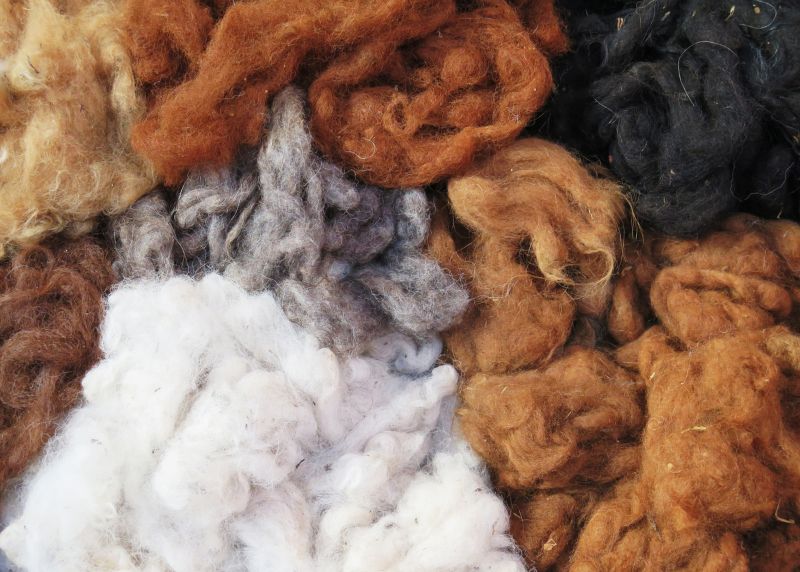
Centuries of breeding in the harsh, high-altitude environment of the Andes – where temperatures can swing from freezing nights to blazing days – shaped the unique structure of alpaca wool. Each strand contains microscopic air pockets that trap heat for insulation yet allow breathability, resulting in a fleece that’s warmer than Merino wool while remaining surprisingly light.
Over the past few decades, alpaca herds have spread to countries like Australia and New Zealand, where the animals continue to thrive in similar mountain climates.
Alpaca wool comes in a wide spectrum of natural shades – from creamy white and golden fawn to greys, browns, and black – which reduces the need for chemical dyes. It’s also hypoallergenic, since it lacks the lanolin found in sheep’s wool, making it comfortable for people with sensitivities.
In fashion and home textiles, alpaca fiber is incredibly versatile. It’s used for sweaters, coats, scarves, and blankets, as well as rugs and other woven goods. The fiber’s smooth texture makes it a favorite for high-end clothing, and it’s often blended with wool, silk, or cotton to increase durability and affordability.
Benefits of Alpaca Wool:
- Exceptional warmth and softness: Insulating yet lightweight, ideal for cold climates.
- Temperature regulation: Breathable fibers help maintain comfort across varying conditions.
- Natural color range: Comes in dozens of undyed shades for a low-impact palette.
- Hypoallergenic: Free of lanolin, so it’s gentle on sensitive skin.
- Versatile and durable: Works well for both apparel and home goods, blending beautifully with other natural fibers.
Because alpaca wool is both luxurious and sustainable, choosing ethically sourced or certified alpaca (such as those approved by the Responsible Alpaca Standard) helps ensure humane treatment of animals and protection of fragile mountain ecosystems.
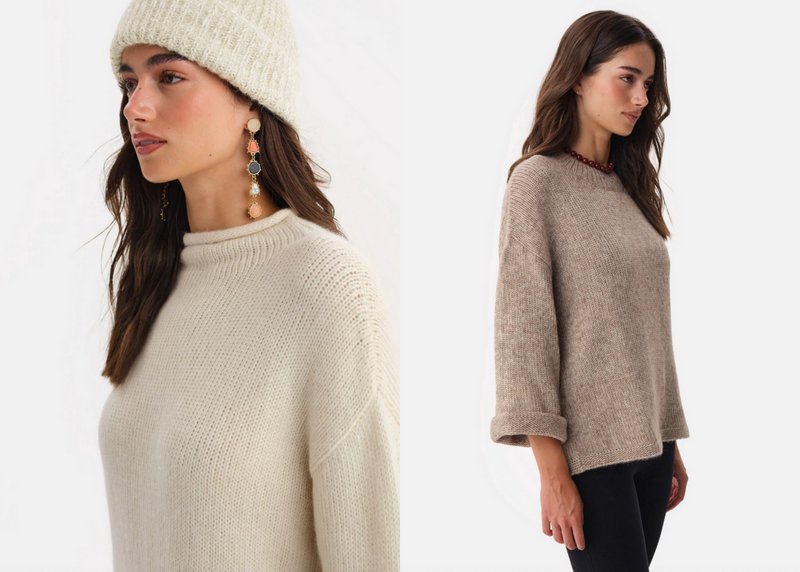
One of my favorite activewear companies, MATE, offers sweaters that are made with a blend of ethically sourced and sustainable alpaca wool, merino wool and cotton.
Other Types of Wool
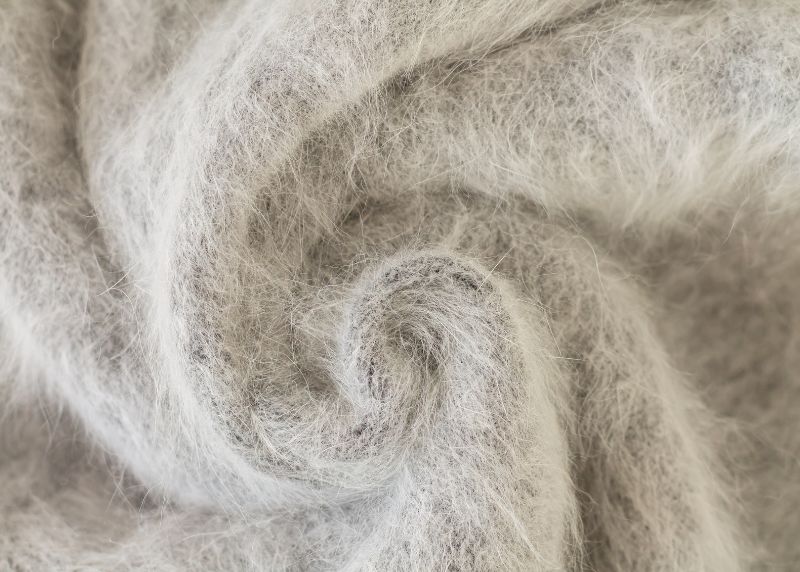
While Merino, Cashmere, and Alpaca get most of the spotlight, several other animal wools deserve mention for their unique qualities and uses.
Virgin Wool (Lambswool)
Virgin wool – sometimes called lambswool – comes from a sheep’s first shearing, producing the softest and most delicate fibers the animal will ever grow. It’s prized for its smooth texture, natural elasticity, and warmth. In broader textile terms, “virgin wool” can also refer to any wool that hasn’t been previously processed or recycled.
Camel Wool
Camels, particularly the Bactrian camel, produce a dense, insulating undercoat that’s harvested by combing during the molting season. The resulting fiber is exceptionally warm and breathable, making it ideal for coats and outerwear. While the coarsest hair is often reserved for rug backing or heavy textiles, the softer undercoat yields a supple, luxurious yarn with a beautiful natural luster.
Mohair
Mohair comes from the Angora goat (not to be confused with Angora wool, which comes from rabbits). This fiber is known for its silky sheen, strength, and resilience. Though slightly thicker than cashmere, its smooth surface prevents tangling and shrinkage. Mohair also takes dye beautifully, allowing for vivid colors in suits, dresses, blankets, and even fine carpets.
Linen
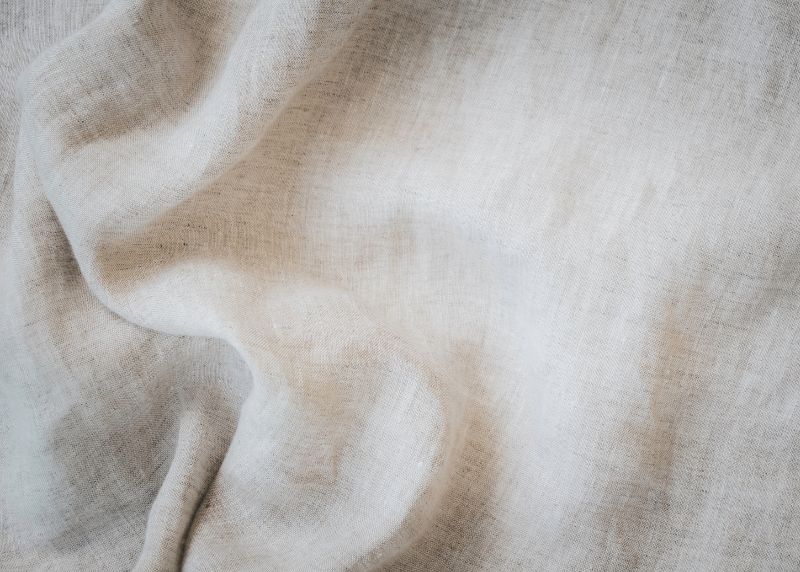
Linen is one of the world’s oldest and most enduring fabrics – prized for thousands of years for its strength, breathability, and timeless beauty. It’s made from the stalks of the flax plant, which are gently uprooted to protect the long fibers that give the fabric its signature durability.
After soaking and separating (a process called retting), the inner fibers are spun into yarn, revealing their naturally varied tones. Because each harvest is influenced by local sun, soil, and water, no two batches of linen are ever quite the same.
What makes linen special goes beyond its classic look:
- Low environmental impact: Flax grows quickly with minimal need for irrigation, fertilizers, or pesticides – often relying on rainwater alone. Every part of the plant is used, making it one of the most resource-efficient crops in the textile world.
- Exceptional durability: Linen is one of the strongest natural fibers – up to 30% stronger than cotton – and actually gets softer and more supple with each wash. (3)
- Breathable and temperature-regulating: Its hollow fibers allow heat and moisture to move freely, keeping you cool in summer and comfortably warm in cooler months.
- Naturally antimicrobial and hypoallergenic: Linen resists odor-causing bacteria and is gentle on sensitive skin.
- Quick-drying and absorbent: It wicks away moisture without feeling damp, perfect for humid climates or summer wear.
- Fully biodegradable: When its long life finally ends, linen returns to the earth, leaving no trace behind.
Beautifully imperfect, long-lasting, and gentle on the planet, linen is a fiber that has stood the test of time.
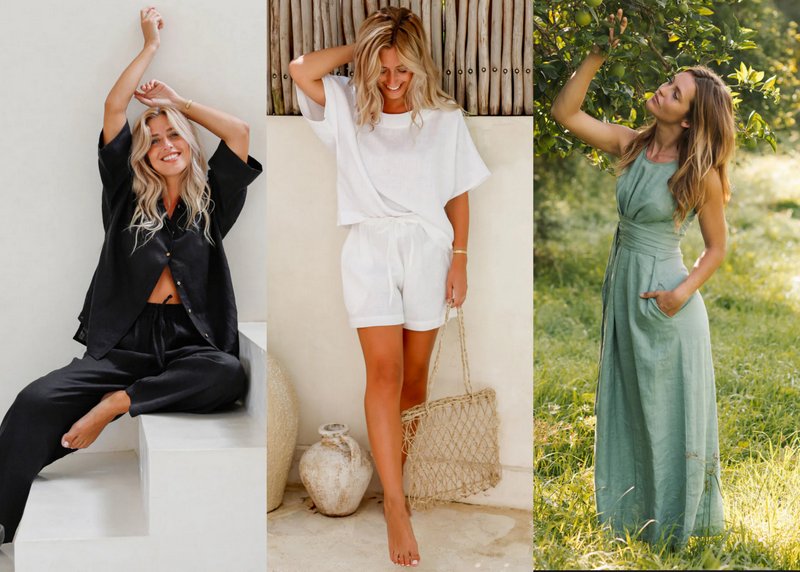
Linen brand to try: MagicLinen’s handmade pieces are crafted in Lithuania from OEKO-TEX®-certified linen. The company upcycles fabric scraps and uses biodegradable packaging to keep its footprint small.
Hemp
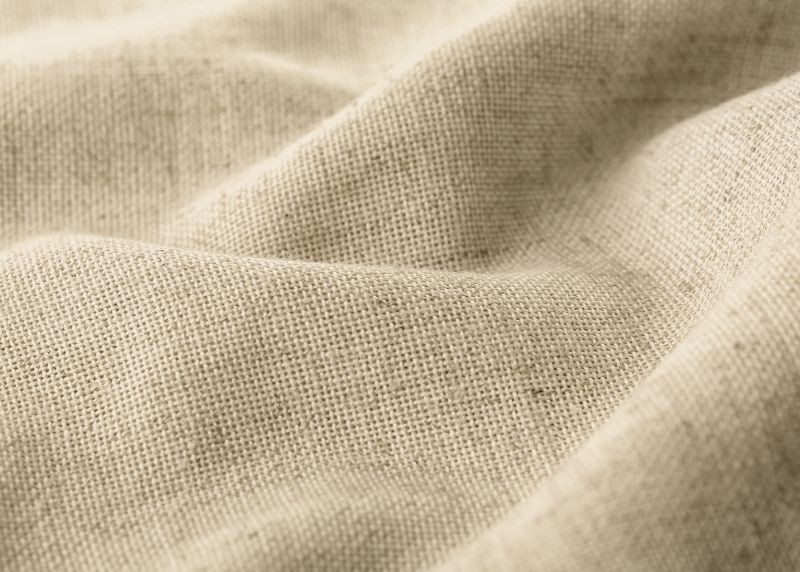
Hemp is a light-colored, strong fiber derived from the stalk of the Cannabis sativa plant. One of the world’s oldest known textiles, it has been cultivated for thousands of years across Asia and Europe for everything from rope and sailcloth to clothing and paper.
The fibers are extracted from the plant’s woody core, then spun into a sturdy yarn used in textiles, ropes, insulation, and even eco-friendly building materials. Though it can feel stiff at first, it softens beautifully with wear and washing.
Benefits of Hemp:
- Durable: One of the strongest natural fibers, hemp resists stretching, pilling, and abrasion – making garments long-lasting and shape-retaining.
- Low environmental impact: Hemp grows quickly, often without irrigation, synthetic fertilizers, or pesticides. It enriches the soil and is fully biodegradable.
- Breathable and moisture-wicking: Keeps you cool and comfortable while naturally absorbing and releasing moisture.
- Antibacterial and hypoallergenic: Gentle on sensitive skin and resistant to mold and odors.
- UV resistant: Offers natural protection from the sun’s rays.
Things to Consider:
- Color range: It doesn’t hold deep or bright dyes as easily as some other fabrics, resulting in more muted, natural tones. It’s often blended with cotton (which absorbs dye well) to achieve more vibrant colors.
- Availability: Because the hemp textile industry is still developing in many regions, it can be harder to find than fibers like cotton.
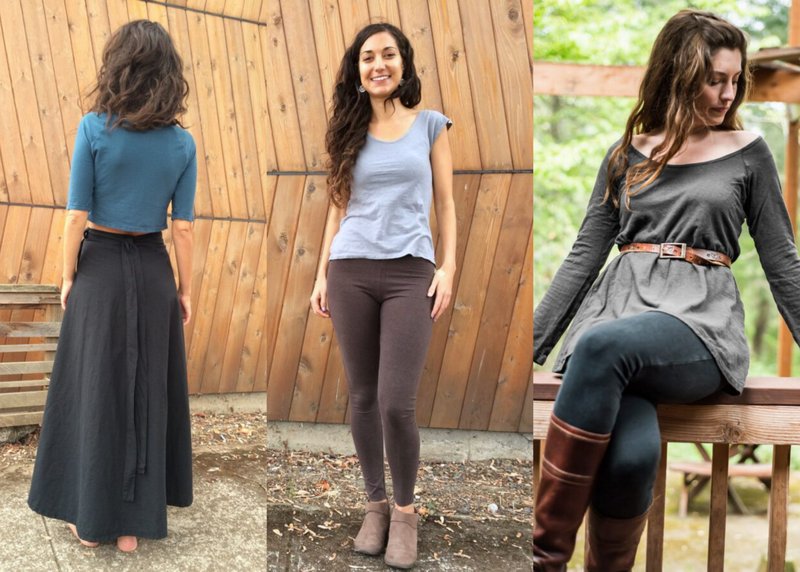
If you’re looking for soft hemp clothing, Sweet Skins delivers. Based in Eugene, Oregon, they make comfortable pieces from hemp (often blended with organic cotton) that consistently show up in reviews for softness and longevity.
TENCEL™ Lyocell
Bamboo sounds like the perfect fiber – it grows fast without pesticides, uses very little water, and feels buttery soft. Unfortunately, most “bamboo” fabric isn’t as natural as it sounds.
Although it’s sourced from nature, it’s far more processed than fibers like cotton and is therefore considered a semi-synthetic fiber. Nearly all bamboo clothing on the market is made using a chemical method that turns bamboo pulp into rayon (also known as bamboo viscose).
The result is silky and breathable, but the conventional manufacturing process often involves toxic chemicals that are harmful to both workers and waterways. I’ll be taking a deeper look at the difference between bamboo viscose, bamboo lyocell, TENCEL™ lyocell and TENCEL™ modal in an upcoming post after the holidays.
For now, the short version is this: bamboo the plant is eco-friendly; bamboo the fabric usually isn’t. There are safer ways to turn plant pulp into fabric, though, which leads me to TENCEL™ lyocell.
Sourced mostly from eucalyptus, beech and spruce trees, TENCEL™ lyocell is made using a closed loop system with non-toxic solvents. Nearly all of the water is reused, and the fabric is silky, durable and a far better option than conventional viscose fabric.
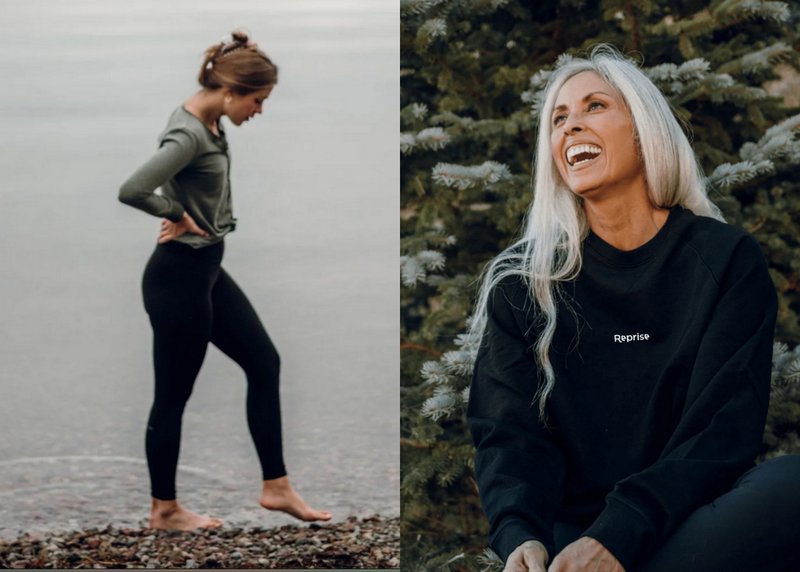
If you want to try TENCEL™ lyocell in activewear, Reprise is one of the standouts. Their Aspen and Sage leggings use a 93% TENCEL™ lyocell blend with just enough spandex for movement. Reviews consistently mention softness and comfort. I didn’t come across them until after I’d bought several pairs of leggings to test for this article, but they’re on my shortlist to test next.
Silk
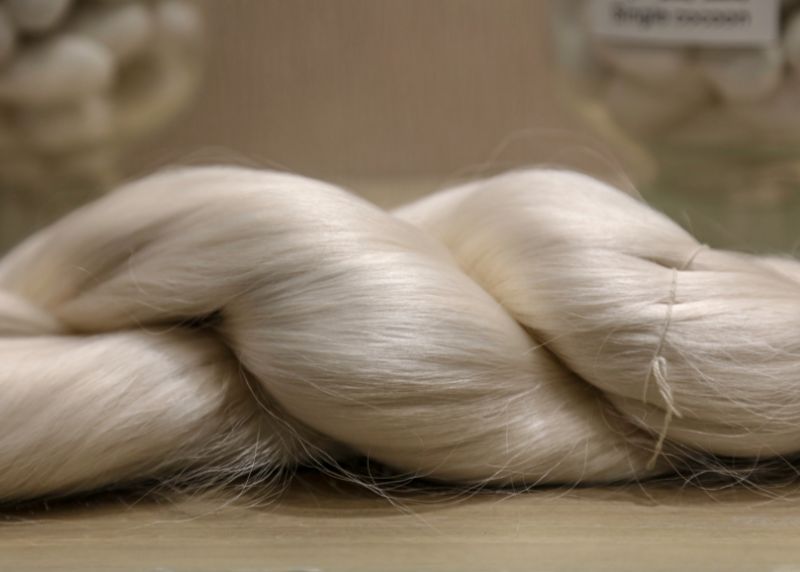
Silk has long been a symbol of natural luxury – luminous and smooth against the skin. It’s made from the filament threads spun by silkworms (most commonly Bombyx mori) as they form their cocoons. Those fine, continuous fibers are then carefully unwound, washed, and woven into the elegant material we know as silk.
It’s lightweight yet insulating, helping keep you warm in cool weather and cool in warm weather – one reason it’s often used in sleepwear and bedding.
Things to Consider: Traditional silk production (known as mulberry silk) usually involves boiling cocoons with the larvae still inside to preserve the long fibers, raising ethical concerns for some buyers.
Alternatives like Ahimsa silk (also called peace silk) allow the moths to emerge naturally before the cocoons are harvested. Peace silk feels a little more textured and matte than the perfectly smooth, glossy finish of traditional mulberry silk. However, although it’s described as more ethical than traditional silk production, it seems to still have some significant issues. For example, in many cases, the silk worms are discarded as soon as they emerge from their cocoons.
Silk sounds simple on the surface but gets complex quickly once you look into how it’s actually made. Between traditional mulberry silk, the many variations of “peace silk,” and the environmental questions around each, there’s a lot to sort through. I’m continuing to research before making any recommendations – so consider this section a starting point, and I’ll share a more complete update once the research is finished.
Certifications & Dyes: What to Look For
Even the best natural fibers can lose their “clean” status if they’re dyed or finished with harsh chemicals. Fortunately, certifications and safer dye processes can help you cut through greenwashing and find clothing that’s truly non-toxic and responsibly made.
Certifications that Matter:
- GOTS (Global Organic Textile Standard): Covers the entire production process — from organic fiber cultivation to non-toxic dyeing and fair labor practices. It’s one of the most trustworthy certifications for natural-fiber clothing.
- OEKO-TEX® STANDARD 100: Tests finished textiles for harmful substances like formaldehyde, heavy metals, PFAS, and phthalates. A great baseline certification, even for conventional fibers.
- FSC® (Forest Stewardship Council): Often found on TENCEL™ or bamboo lyocell, this ensures the plant pulp used to make the fiber comes from responsibly managed forests.
- Responsible Wool Standard (RWS), Responsible Alpaca Standard (RAS), and ZQ Merino: Ensure animal welfare, sustainable land management, and ethical sourcing for wool products.
Even naturally derived fabrics can be finished with harmful AZO dyes or chemical treatments. Look for:
- Low-impact dyes: IBy low-impact, I mean dyes that meet the OEKO-TEX® STANDARD 100 guidelines for non-toxicity. These colorants don’t rely on harmful chemicals or heavy-metal mordants, and they bond efficiently to fibers – roughly 70% of the dye is absorbed into the fabric. Because so little dye and rinse water go to waste, they help minimize water pollution during the dyeing process.
- Plant-based or natural dyes: Made from roots, leaves, and minerals. They’re biodegradable and gentle on sensitive skin, but color variations are common.
- PFAS- and formaldehyde-free finishes: Avoid “stain-resistant” or “wrinkle-free” claims unless verified as PFAS-free, since these treatments often rely on toxic coatings.
Sources
1. Barnhardt Manufacturing Company. (2020) Purified Cotton Fiber Is GMO-Free After Scouring And Purification.
2. Ebert et al. How Wool Excels at Sports: the Thermoregulation Advantage. International Wool Textile Organisation.
3 TVF (nd.) What is linen?


What an amazing article. I am slowly replacing my clothes with non toxic items and I really appreciate all the time and effort you put in to this. I will be looking into your recommendations. Thanks!
I’m so glad you found it helpful, Stephanie!
I have been hoping someone would publish an article like this. Many many thanks! I will be bookmarking it and referring back to it often. 🙂
Thank you for the very informative post! I’ve been doing a deep dive into non-toxic clothing since my second was born and my skin got even more sensitive (it happened after my first too). Based on your recommendation I picked up a couple of the Branwyn wool bras a few months ago and I love them for nursing. I tested a few other brands that use merino wool as well, but Branwyn were definitely the most comfortable. Something kept niggling at the back of my mind though…wool shouldn’t be machine washable (Branwyn says not dryer…but machine washing is fine). Wool shrinks when it is agitated. I made my way down the rabbit trail and after much digging found that most wool brands use “super wash” treatments. These treatments do not have to be and often are not disclosed. They add plastics and other chemicals that you don’t want on your body…especially not on particularly sensitive areas. I’m so bummed! So far, the only brands I’ve found to be somewhat available in the U.S. that do not have superwash treatments are Engel and Disana. You have to hand wash all of their products…but that means it’s not treated.