When my kids were little, I tucked a slow cooker full of fish head stock into a far corner of the kitchen and hoped our babysitter wouldn’t look inside. More recently, I fermented a batch of natto that smelled so much like funky cheese and gym socks that opening the container could clear a room.
These days, I still prioritize traditional, nutrient-dense foods – but in easier, more practical ways. One of my favorite simple habits is to include grass-fed beef liver capsules with breakfast.
Liver may not be especially popular today, but that wasn’t always the case. For thousands of years, many traditional cultures prized liver as an especially nourishing food, sometimes reserving it for growing children and expectant mothers, while hunters also valued it after physically demanding hunts. (1) (2)
Unfortunately, despite many sincere attempts, I’ve never managed to enjoy eating beef liver.
If you don’t love the flavor either, capsules are an easy workaround. Made with desiccated (dried and powdered) grass-fed beef liver, they’re a convenient way to get the benefits of beef liver without actually tasting it.
In this article we’ll dive into what those benefits are, why they’re important, and what to consider when choosing a brand.
As always, none of these statements have been evaluated by the FDA. This article is not medical advice, and it’s not meant to diagnose or treat any condition. Now let’s dive in.
Why The Whole-Food Matrix Matters
Have you ever tried to bake something by tossing a little of everything in your pantry into one bowl? Of course not.
Even when every ingredient is high quality, how they work together matters. Cocoa powder, rapadura sugar, and coconut milk make a delicious dessert, but swap the sugar for cajun seasoning, and . . not so much.
Ingredients matter, but so does the relationship between them, and that’s what makes whole food-based supplements unique. There’s an innate wisdom to nature’s “formulas” – one that factors in synergy, bioavailability, and micronutrient ratios.
For example, with beef liver you don’t just get heme iron, which is generally absorbed more efficiently than non-heme iron – you also get vitamin A and copper, two nutrients that play important roles in normal iron metabolism and utilization.
But beef liver doesn’t just provide nutrients that work well together – it also complements the way most of us eat today. Modern diets tend to emphasize muscle meats like chicken breast, steaks, and ground beef, which are excellent sources of protein but don’t offer the same concentration or variety of micronutrients found in organ meats.
Muscle meats are naturally rich in the amino acid methionine. That’s not a problem – methionine is essential – but the body relies on nutrients like choline and several B vitamins to metabolize and recycle it efficiently. (3)
Liver provides many of the vitamins and minerals involved in methionine metabolism and methylation, supporting the metabolic pathways that rely on those nutrients. In other words, liver doesn’t just add more nutrients to the diet – it provides many of the nutrients that work alongside the ones you’re already eating. (4) (5) (6)
Is Liver Actually “Nature’s Multivitamin”?
When we call something a “superfood,” we usually mean it has a high concentration of one or two uniquely beneficial compounds. Blueberries have anthocyanins, coffee has chlorogenic acid, and broccoli sprouts have sulforaphane.
But when we look at the overall nutrient-density scorecard, beef liver is in a category of its own. It provides an exceptional range of nutrients, including high amounts of preformed vitamin A (retinol), vitamin B12, riboflavin, folate, copper, choline, and highly bioavailable heme iron. It also contains the full spectrum of B vitamins, and smaller amounts of the fat soluble vitamins D, E and K, plus minerals like zinc, phosphorus, selenium, and a variety of naturally occurring compounds including CoQ10, carnitine, carnosine, and taurine.
What makes it even more unique several of its key nutrients are present in highly bioavailable or readily usable forms – ones that are easily recognized by the body.
For example, unlike carrots – which contain beta-carotene (provitamin A) that our bodies have to convert into the active form – liver contains retinol, which is the active form of Vitamin A. That’s a good thing, because nearly half of us may be “poor converters” beta-carotene into vitamin A very efficiently.(7) (8) And weirdly, even when individuals can make the conversion, efficiency drops as the dose of beta-carotene increases.(9)
Ounce for ounce, it’s one of the most nutrient-dense whole foods available – not because it excels in one particular nutrient, but because it delivers an extraordinary range of them. That’s why beef liver has – I believe accurately – earned the nickname “Nature’s Multivitamin.”
Why I Keep Beef Liver Capsules Around
Unlike beef liver, I’ve managed to find ways to enjoy chicken liver, especially in my Superfood Chili, Dirty Rice, and Bacon & Chicken Liver Pâté. But finding high-quality pastured chicken livers where I live can be hit or miss, and making a special trip isn’t always practical.
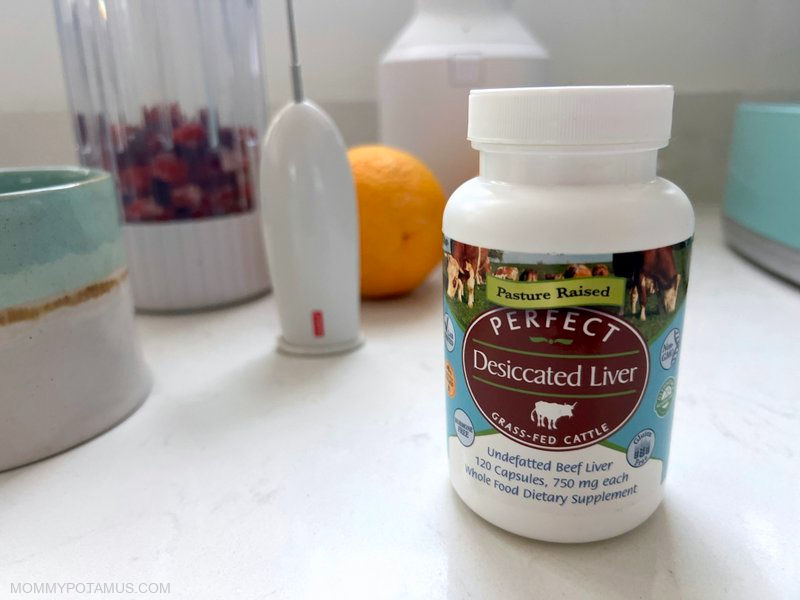
That’s one reason I keep grass-fed beef liver capsules on hand. They help fill in nutritional gaps on the weeks when organ meats don’t make it to the table.
Because beef liver is so nutrient-dense, its benefits aren’t limited to just one area of health. The vitamins, minerals, and other beneficial compounds it contains support everything from energy metabolism and oxygen transport to vision, immune function, nervous system health, and many of the countless processes your body carries out every day.
Here are a few of the benefits that stand out most.
Supporting Steady Energy
Modern life often keeps us moving long after our energy begins to fade. Work, family, and an ever-growing list of responsibilities require both the wisdom to know what to say ‘no’ to and the stamina for the things worth saying ‘yes’ to.
The connection between liver and physical endurance has been the subject of research lore for decades. In a frequently cited 1951 experiment, rats fed a purified diet containing desiccated liver powder were able to swim considerably longer than rats given the same basic diet with synthetic vitamins. Researchers referred to the unidentified benefit as an “anti-fatigue factor,” but the study could not determine exactly why the liver produced the effect. (10)
Today, many people think the benefit likely came from liver’s unusually broad nutrient profile rather than one mysterious compound. It’s naturally rich in vitamin B12, riboflavin, copper, and highly bioavailable heme iron, all of which play important roles in energy metabolism and oxygen transport.
Riboflavin, for example, helps the body convert the food we eat into ATP – the primary form of usable energy within our cells. Vitamin B12, iron, and copper also play important roles in red blood cell formation and hemoglobin production, which helps explain their connection to oxygen transport.
Liver doesn’t work like coffee, which offers a temporary boost in alertness. Its role is more foundational, supplying nutrients the body uses to support healthy energy levels over time.
Nutrients for a Busy Brain
Some seasons of life can make your brain feel like it has forty-six browser tabs open – and at least two of them are playing music. Between work, family schedules, appointments, and caring for the people who depend on us, there’s a lot to keep track of.
Beef liver contains choline along with several B vitamins and iron, nutrients involved in nervous system function, brain energy metabolism, and the production of neurotransmitters. Together, they support the countless behind-the-scenes processes involved in brain health: memory, concentration, communication between brain cells, and keeping the things that matter to us moving in the right direction.
Nourishing Skin From Within
It’s easy to think of skin care as something that comes in a jar. I love a good topical, too – my DIY Bakuchiol Serum is great for supporting skin elasticity and firmness – but healthy skin also depends on what’s happening beneath the surface.
Vitamin A helps regulate normal skin cell turnover, while nutrients like copper and zinc support collagen formation, tissue repair, and maintenance. Riboflavin and other B vitamins also support cellular energy production and antioxidant defenses that help keep skin healthy.
In other words, beef liver doesn’t replace a skincare routine, but it does provide many of the nutrients skin relies on from the inside out.
A Surprising Connection to the Gut Microbiome
Vitamin A is probably best known for supporting vision and immune function, but researchers have uncovered another interesting connection to gut health.
In one study, researchers introduced 92 different human gut bacteria into mice, then removed vitamin A, folate, iron, or zinc from the diet one at a time. Vitamin A deficiency caused the biggest shift in the microbial community, changing both which bacteria were present and what some of them were doing. When vitamin A was restored, those differences largely disappeared within about two weeks.
That makes more sense when we look at what vitamin A is doing in the gut itself. Its active metabolite, retinoic acid, helps promote the production of IgA – the primary antibody found along mucosal surfaces like the digestive tract. Secretory IgA helps manage which microbes can interact closely with the intestinal lining and plays an important role in keeping the immune system and our resident gut bacteria on good terms.
Vitamin A also helps maintain the intestinal lining and other defenses that create a healthy place for those microbes to live. In that sense, it’s less about creating a “perfect” microbiome and more about helping maintain the neighborhood those microbes depend on.
The study doesn’t tell us that more vitamin A automatically means a healthier gut. It does suggest, though, that getting enough may be an important part of maintaining the intestinal environment that resident gut microbes depend on.
Supporting Your Immune System
Your immune system is constantly working behind the scenes – identifying potential threats, communicating between cells, and deciding when to respond and when to stand down. That kind of coordination requires more than a single “immune nutrient.”
Beef liver provides preformed vitamin A, zinc, copper, selenium, and several B vitamins, along with a small amount of vitamin D. All of these nutrients contribute in different ways to normal immune function. Vitamin A helps maintain the tissues that form the body’s first line of defense, while zinc, copper, selenium, and B vitamins support many of the cellular processes that keep the system communicating and functioning as it should.
So, instead of delivering one isolated ingredient, it supplies a network of nutrients the immune system relies on every day.
Does Liver Store Toxins?
The liver is often described as the body’s filter, but it doesn’t work like the filter in your air conditioner or car, trapping everything that passes through. A better comparison is a chemical processing plant.
In two distinct processes known as Phase 1 and Phase 2 detoxification, it uses enzymes to transform medications, hormones, metabolic byproducts, and many environmental compounds into forms the body can use or eliminate through bile or urine.
In other words, the function of the liver isn’t to store toxins – it’s to neutralize them.
That doesn’t mean liver can never contain contaminants. Like other foods, its quality reflects the animal’s feed, environment, and overall care. That’s why sourcing matters.
I choose liver from responsibly raised, grass-fed cattle, but I don’t rely on those words alone. For supplements, I also look for a company that tests the finished product for heavy metals, pathogens, and other contaminants – and is willing to provide meaningful documentation of the results.
Bottom line: Liver is not a toxic waste bin. It is one of the body’s most sophisticated processing organs, and its role in detoxification is part of the reason it contains such a remarkable concentration of nutrients. With thoughtful sourcing and meaningful testing, that function is not a reason to avoid liver – it’s one more reason to appreciate what an extraordinary food it is.
Safety Considerations
There’s a lot to appreciate about beef liver, but because it’s so nutrient-dense, there are a few important guardrails worth understanding before we talk about what I look for in a supplement.
Pay Attention to Preformed Vitamin A
Liver is naturally high in preformed vitamin A, or retinol. That’s one of its benefits, but it’s also one of the main reasons to check the serving size and consider what else you’re taking. Like vitamin D, there’s a sweet spot for vitamin A consumption – suboptimal intake can lead to deficiency and excessive intake can lead to toxicity, while an appropriate amount supports essential processes throughout the body.
For adults, the established upper limit for preformed vitamin A is 3,000 micrograms of Retinol Activity Equivalents (mcg RAE) per day, which is equivalent to 10,000 IU (1 mcg RAE equals 3.33 IU of retinol). (11) (12). These upper limits apply specifically to preformed vitamin A – the ready-to-use form found naturally in animal foods and also included in some supplements – not to beta-carotene or other provitamin A carotenoids found in carrots and other plants.
Here’s the upper limit breakdown of preformed vitamin A for all ages:
- Birth to 12 months – 600 mcg (2000 IU)
- Children 1–3 years – 600 mcg (2000 IU)
- Children 4–8 years – 900 mcg (3000 IU)
- Children 9–13 years – 1,700 mcg (5,667 IU)
- Teens 14–18 years – 2,800 mcg (9,333 IU)
- Adults 19 years and older – 3,000 mcg (10,000 IU)
That amount includes preformed vitamin A from all sources, including food and supplements, and it’s an upper intake guideline – not a daily goal.
That’s why it’s important to be aware of stacking concentrated sources of preformed vitamin A. Beef liver capsules, cod liver oil, multivitamins, prenatal vitamins, and food sources all contribute to the total.
It’s also important to understand what an upper limit means. The National Academies defines it as the highest level of daily intake likely to pose no risk to almost everyone, and advises the general population not to routinely exceed it. (13)
Here’s how I personally approach these guidelines: One product I have used for years, Perfect Supplements Desiccated Liver, contains 969 IU of vitamin A per adult serving. That’s about 1/10th of the established adult upper limit (UL). I don’t take a multivitamin, but I do sometimes take cod liver oil, so I factor that into my daily intake.
Because foods I regularly eat – including eggs, cheese, butter, and fatty fish – also contribute smaller amounts of preformed vitamin A, I personally leave plenty of room for those sources. My own conservative approach is to keep concentrated supplemental sources below about 5,000 IU on most days, while still paying attention to the total. That isn’t an official guideline; it’s simply the buffer that makes sense for me within the established adult upper limit.
Some traditional-food practitioners argue that these limits are overly conservative, particularly when vitamin A comes from whole foods like liver alongside nutrients such as vitamins D and K. There is some legitimate scientific discussion around those interactions, but current U.S. guidelines do not distinguish between preformed vitamin A from liver and preformed vitamin A from supplements when setting the upper limit. For that reason, I personally use the established limits as conservative guardrails rather than assuming food-based retinol is exempt.
A Special Note About Pregnancy
Vitamin A is especially important during pregnancy because it plays essential roles in fetal growth and development, including formation of the eyes, heart, lungs, and other organs. But pregnancy is also a time when getting the amount right matters even more.
The established upper limit for adults ages 19–50 remains 3,000 mcg RAE (10,000 IU) of preformed vitamin A during pregnancy. Excessive intake of preformed vitamin A can cause birth defects, which is why health authorities recommend avoiding high-dose supplements containing preformed vitamin A during pregnancy.
This is another situation where looking at the whole supplement routine matters. Prenatal vitamins may contain vitamin A as beta-carotene, preformed vitamin A, or a combination of both, and liver capsules, cod liver oil, and food sources can add more. For that reason, anyone who is pregnant, trying to conceive, or could become pregnant should add up their sources of preformed vitamin A and review concentrated liver or cod liver oil supplements with their healthcare practitioner rather than assuming that a standard adult serving is automatically appropriate.
Other Considerations
Beef liver is also rich in iron and copper, which is a benefit for most people but worth keeping in mind if you already supplement with either mineral.
If you have hemochromatosis or another iron-overload condition, check with your doctor before using a liver supplement. Otherwise, the main thing is simply to look at the big picture – especially if you’re taking a supplement that contains iron or copper.
None of this is meant to make beef liver sound complicated or intimidating. The practical takeaway is pretty simple: choose an age-appropriate serving, consider other concentrated sources of vitamin A, iron, and copper already in the diet or supplement routine, and choose a well-sourced product from a company you trust.
With those basics covered, let’s talk about what that actually looks like when you’re standing in front of a shelf . . . or scrolling through dozens of options online.
What I Look For In Beef Liver Supplements
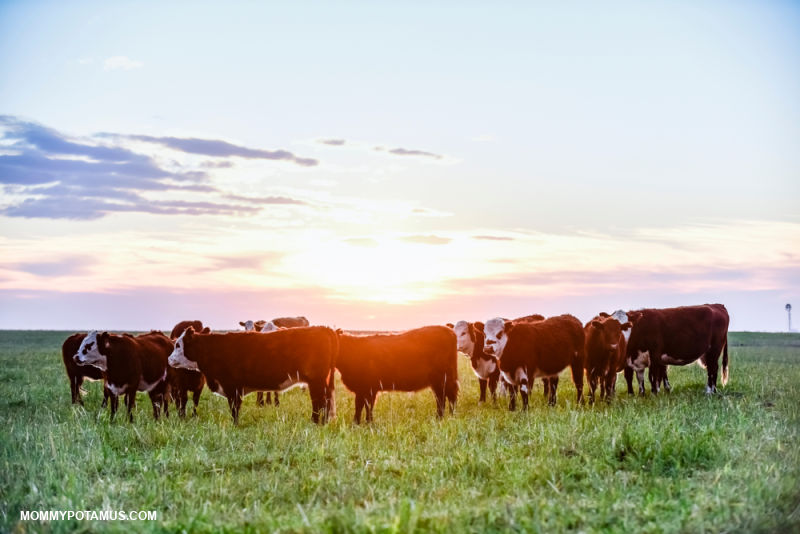
Beef liver capsules are pretty simple by nature – unless it’s a multi-organ blend, there shouldn’t be anything in the bottle besides liver and the capsule itself. With that said, quality can vary quite a bit. Here’s what I look for:
Grass-Fed, Responsibly Raised Cattle
Because an animal’s feed and environment can influence the quality of its organs, sourcing matters. I look for liver from grass-fed cattle raised according to high standards, preferably with clear information about where the cattle come from and how their pastures are managed, including whether pesticides or other chemical treatments are used.
Gentle Processing
Fresh liver contains naturally occurring vitamins, minerals, peptides, and other compounds that can be sensitive to heat and processing. I look for liver that has been freeze-dried or gently desiccated at low temperatures to help protect those nutrients.
Meaningful Testing
“Grass-fed” is important, but it doesn’t tell me everything I want to know. I also look for companies that test their finished product for things like heavy metals and microbial contaminants – and are transparent about the results.
A Clearly Defined Serving
Because liver is so nutrient-dense, I want to know what I’m actually getting. Ideally, a company will tell me both the amount of desiccated liver in each serving and approximately how much fresh liver that represents. I especially appreciate companies that provide vitamin A data, because it makes it much easier to account for other sources in my diet and supplement routine.
Very Few Other Ingredients
Once again, unless it’s a multi-organ blend, I’m just looking for liver – not fillers, proprietary blends, or a long list of unnecessary extras.
The Beef Liver Supplement I Use
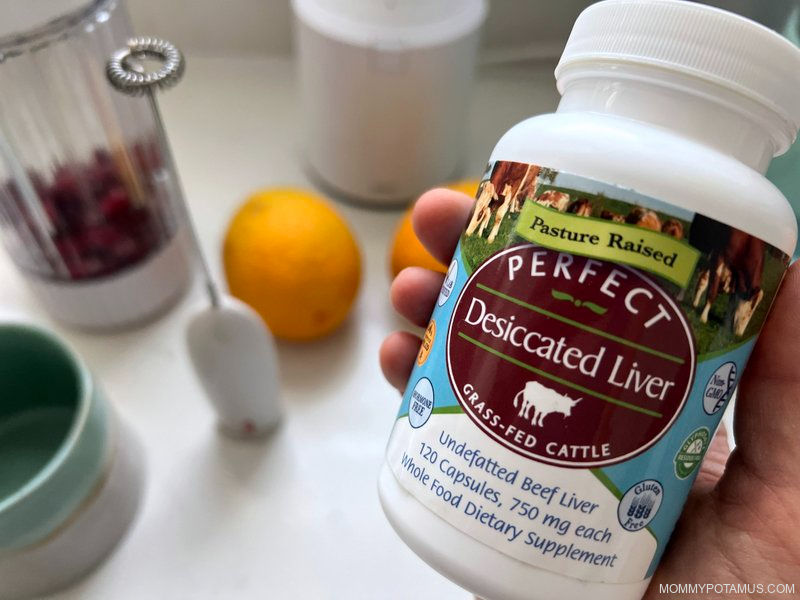
After looking at all of those factors, the one I keep coming back to is Perfect Supplements Desiccated Liver.
Their liver is sourced from Argentinian grass-fed cows graze freely on pasture throughout their lives. They don’t receive hormones or antibiotics, and the pastures aren’t treated with chemical fertilizers or pesticides.
Beyond that, they test for heavy metals, microbial contaminants, and glyphosate residue – and they publish the results on their product page.
That transparency extends to the nutritional information, too. A standard serving provides 3 grams of desiccated grass-fed beef liver – roughly equivalent to eating about three ounces of fresh liver per week – along with 969 IU of naturally occurring vitamin A per serving. I like having that information because it makes it easy for me to factor liver into the rest of my diet rather than guessing.
Most importantly, it gives me a practical way to include a food I value nutritionally but have never managed to enjoy eating.
And for me, that’s really the point.
I’m still a big believer in real, nutrient-dense food. I’m also a big believer in finding realistic ways to actually get those foods – and their benefits – into our lives.
Some weeks that looks like homemade pâté or Superfood Chili. Other weeks, it looks like a few capsules with breakfast. If you want to add them to your routine, you can save 10% with the code below.
Sources
- Riang’a, R. M., Broerse, J., & Nangulu, A. K. (2017). Food Beliefs and Practices Among the Kalenjin Pregnant Women in Rural Uasin Gishu County, Kenya. Journal of Ethnobiology and Ethnomedicine.
- O’Dea, K. (1991). Traditional Diet and Food Preferences of Australian Aboriginal Hunter-Gatherers. Philosophical Transactions of the Royal Society of London. Series B, Biological Sciences.
- Institute of Medicine (US) Standing Committee on the Scientific Evaluation of Dietary Reference Intakes and its Panel on Folate, Other B Vitamins, and Choline. (1998). The B Vitamins and Choline: Overview and Methods. In Dietary Reference Intakes for Thiamin, Riboflavin, Niacin, Vitamin B6, Folate, Vitamin B12, Pantothenic Acid, Biotin, and Choline. National Academies Press.
- McCaddon, A., & Miller, J. W. (2023). Homocysteine – A Retrospective and Prospective Appraisal. Frontiers in Nutrition.
- Korsmo, H. W., & Jiang, X. (2021). One Carbon Metabolism and Early Development: A Diet-Dependent Destiny. Trends in Endocrinology & Metabolism.
- de Souza, A. P., Marinho, V., & Marques, M. R. (2025). The Fundamental Role of Nutrients for Metabolic Balance and Epigenome Integrity Maintenance. Epigenomes.
- Tang, G. (2012). Techniques for Measuring Vitamin A Activity from β-Carotene. The American Journal of Clinical Nutrition.
- Leung, W. C., Hessel, S., Méplan, C., et al. (2009). Two Common Single Nucleotide Polymorphisms in the Gene Encoding Beta-Carotene 15,15′-Monooxygenase Alter Beta-Carotene Metabolism in Female Volunteers. The FASEB Journal.
- Hickenbottom, S. J., Follett, J. R., Lin, Y., et al. (2002). Variability in Conversion of β-Carotene to Vitamin A in Men as Measured by Using a Double-Tracer Study Design. The American Journal of Clinical Nutrition.
- Ershoff, B. H. (1951). Effects of Liver Feeding on Swimming Capacity of Rats. Proceedings of the Society for Experimental Biology and Medicine.
- National Institutes of Health, Office of Dietary Supplements. (2025). Vitamin A and Carotenoids: Fact Sheet for Health Professionals.
- Institute of Medicine (US) Panel on Micronutrients. (2001). Vitamin A. In Dietary Reference Intakes for Vitamin A, Vitamin K, Arsenic, Boron, Chromium, Copper, Iodine, Iron, Manganese, Molybdenum, Nickel, Silicon, Vanadium, and Zinc. National Academies Press.
- Institute of Medicine (US) Panel on Micronutrients. (2001). Vitamin A. In Dietary Reference Intakes for Vitamin A, Vitamin K, Arsenic, Boron, Chromium, Copper, Iodine, Iron, Manganese, Molybdenum, Nickel, Silicon, Vanadium, and Zinc. National Academies Press.