
If you’ve read this article on toxins in clothing, you already know that most modern wardrobes are basically a mash-up of plastic fibers, mystery finishes, and more BPA than any of us signed up for. It’s a lot.
The good news is that you don’t have to overhaul your entire closet or spend hours researching the fabric details of every piece. Thoughtful swaps, one piece at a time, really do add up – especially when you have a shortlist of brands to start with.
In this guide I’m sharing some of the best non-toxic clothing companies I’ve found so far – brands that lean heavily on natural fibers and pursue meaningful certifications instead of vague “eco” marketing. Think of this list as your shortcut to building a lower-toxin wardrobe, one staple at a time.
One quick note: Because stock changes from season to season, materials sometimes change, too. Always check the actual fabric description to make sure the piece you’re considering is made primarily from organic cotton, linen, wool, or other natural fibers rather than something like recycled polyester (which isn’t a top pick for me).
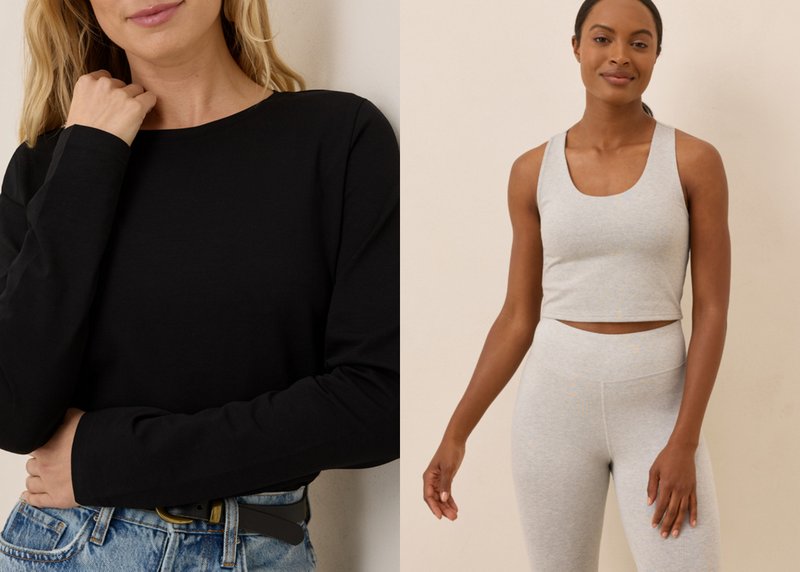
PACT: Affordable Organic Everyday Wear
Certifications
- GOTS (Global Organic Textile Standard) – covers cotton from farm to finished product
- Fair Trade Certified™ – for manufacturing practices
- Non-toxic, low-impact dyes
- Biodegradable Packaging – individual items arrive in recyclable paper mailers and clothing is protected by a biodegradable polybag designed to break down in landfills without forming microplastics
Materials
- Primarily 95–100% organic cotton, linen occasionally
- Some items use 5% elastane for comfort and stretch (leggings, underwear, fitted tees)
- Bedding + loungewear lines also use 100% organic cotton
What Makes Them A Good Pick
PACT offers non-toxic basics that are both budget-friendly and well-made. Their clothing is made with certified organic cotton, sewn in Fair Trade factories, and shipped with biodegradable materials – all at price points that make organic accessible for everyday wear.
If you want to replace staples like tees, leggings, pajamas, or underwear with safer alternatives, PACT is one of the easiest brands to start with. They have a large selection, a wide range of sizes and most items are simple and timeless.
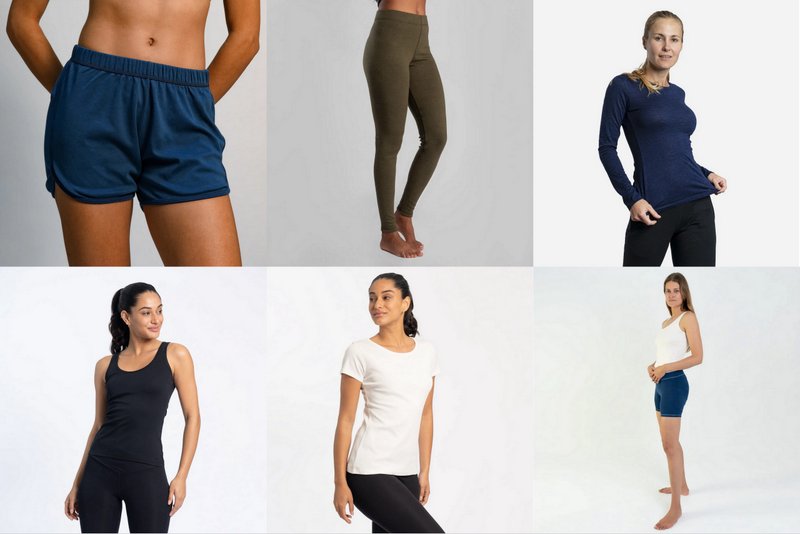
AYA: 100% Plastic-Free
Certifications
- GOTS (Global Organic Textile Standard)
- OEKO-TEX® Standard 100
- USDA Organic
- World Fair Trade Organization (WFTO)
Materials
- Organic Pima cotton
- Alpaca wool
- Plastic-free elastic (50% natural rubber, 50% cotton)
- Zero synthetic fabrics — no polyester, nylon, spandex, etc.
Why AYA Made the Cut
AYA is one of the only clothing brands that is truly 100% plastic-free, not just in the main fabric but in every component – thread, labels, trims, elastic, dyes, and even textile finishes. Their mission is to eliminate plastic and petrochemical-derived materials entirely, and they’ve gone further than almost anyone else to make that a reality.
They literally publish info on the ink they use to make their labels, so it’s no surprise that they’re completely transparent the steps that remain to complete their goal. For example, they currently use 100% natural dyes and GOTS certified low impact synthetic dyes, but they’re transitioning to 100% natural.
AYA makes soft, breathable Pima cotton t-shirts, dresses, leggings, shorts, underlayers, and underwear. They’re comfortable, naturally stretchy (thanks to that rubber/cotton elastic blend), and designed to biodegrade without shedding microplastics.
They also offer alpaca wool sweaters and hoodies.
For clothing made with exceptional transparency and minimal synthetics, AYA is hard to beat. Their progress-oriented approach makes them an easy brand to feel good about.
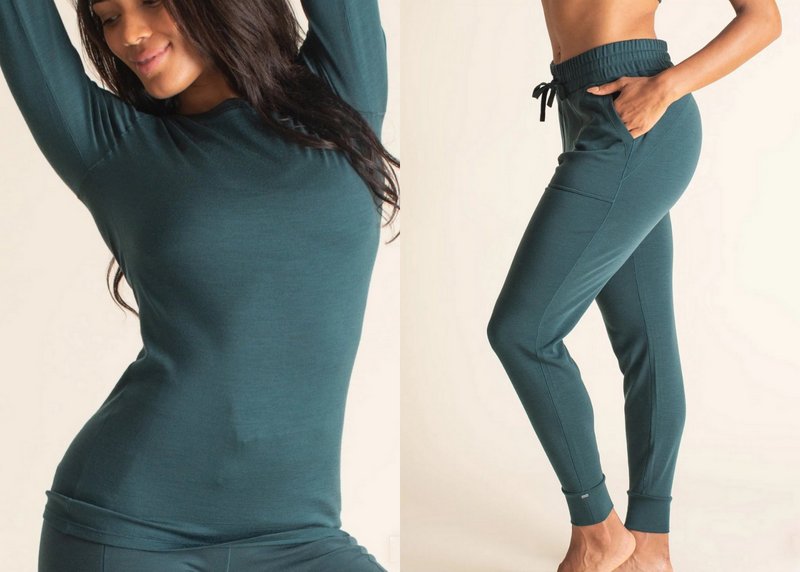
BRANWYN: Merino Wool Essentials That Feel as Good As They Perform
Certifications & Standards
BRANWYN’s merino wool is:
- ZQ-certified – ensures animal welfare, ethical farming, and regenerative land practices
- OEKO-TEX® Standard 100–certified – verifies materials are free from harmful chemicals
- RWS (Responsible Wool Standard)–certified – tracks wool from farm to final fiber with high animal-welfare and supply-chain standards
They also use dyeing and finishing processes that meet:
- OEKO-TEX® Standard 100
- OEKO-TEX® STeP (sustainable production)
- ZDHC standards (Zero Discharge of Hazardous Chemicals)
Materials
BRANWYN’s main fiber — extra-fine merino wool — is naturally temperature-regulating, moisture-wicking, antimicrobial, breathable, and odor-resistant.
Their yarns are offered in several variations:
- PUREspun™ Merino (100% Merino Wool)
- POWRspun™ (76% Merino Wool, 14% Nylon, 10% Elastane) – A compressive, seamless 4-way stretch knit created through BRANWYN’s proprietary technology.
- GLDNspun™ (81% Merino Wool, 14% Nylon, 5% Spandex)
- COREspun™ (85% Merino Wool, 12% Polyamide, 3% Elastane)
The nylon/polyamide and elastane add strength and flexibility. Nylon, in particular, tends to shed fewer microplastics than polyester, making it a better synthetic choice. BRANWYN is also working to source more sustainable versions of both
Across all blends, BRANWYN avoids all PFAS, BPA, phthalates, and toxic performance finishes.
What Makes BRANWYN a Good Pick
If you’re looking for soft, breathable, non-toxic activewear or underwear, BRANWYN is an excellent choice. Their merino pieces feel amazing, resist odor naturally, and last a long time.
I’ve been a BRANWYN customer for years – their bralette has been my go-to for everyday comfort, and their racerback sports bra is supportive without feeling restrictive. Last year I basically lived in their high-waisted leggings for every season except summer, and recently I was gifted their POWRspun™ Essential Compressive Leggings. They truly feel like a second skin: supportive, stretchy, and seamless enough to move with you through any workout.
Beyond intimates and leggings, BRANWYN also offers hoodies, sweatshirts, underwear, bike shorts, and merino layers designed for both comfort and daily use.
Featured Favorite
Merino Wool Bralette – This soft, wire-free staple provides gentle support and an exceptionally comfortable fit.
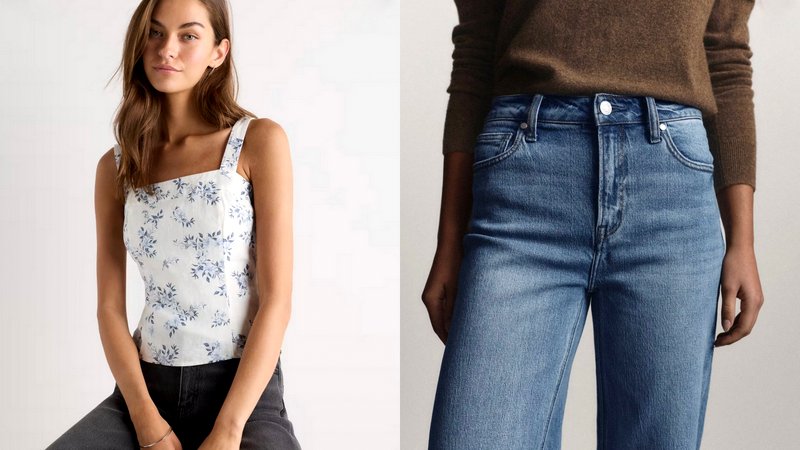
Quince: Affordable, Well-Made Basics With Lots of Natural-Fiber Options
Certifications & Standards
Certifications vary by product, but select Quince pieces carry:
- Organic Content Standard (OCS) certification
- OEKO-TEX® Standard 100 certification
- WRAP-certified factory production
- bluesign®-standard dyeing
- BSCI-certified factory production
Because Quince has such a large and varied collection, it’s important to check the certifications and manufacturing details listed on each individual product page.
Materials
Quince offers a wide range of natural and lower-synthetic materials, including:
- Organic cotton
- European linen
- TENCEL™ Lyocell
- Wool
- Cashmere
- Silk
- Small amounts of spandex in jeans, underwear, and other fitted pieces
They also sell some items made with recycled polyester and other synthetic fibers. Although recycled polyester sounds like a good idea in theory, it can still shed microplastics, so I recommend checking the fabric description before purchasing.
Why Quince Made the Cut
Many of Quince’s organic cotton, linen, and other natural-fiber pieces are surprisingly affordable, and they also have a little something for almost everyone.
Their collection ranges from casual basics and underwear to jeans, linen separates, sweaters, dresses, workwear, and more. Everything I’ve tried so far has felt well-made, and many of their styles have a classic, timeless look that can stay in your wardrobe for years.
I first tried Quince when I recommended their swimsuits. Since then, the company has gifted me store credit to try several additional pieces, including:
- Their 100% European Linen Fitted Tank, which I ordered in porcelain blue for my daughter. It’s beautiful, flattering, and timeless.
- The Bella Stretch Relaxed Straight Jeans, made with 73% organic cotton, 26% TENCEL™ Lyocell, and 1% spandex. My daughter desperately needed another pair before starting college, and we loved these so much that I’m ordering a pair for myself.
- The Organic Cotton Tank Bralette, made with 95% organic cotton and 5% spandex. It’s so comfortable that I forget I’m wearing it, although I would love to see a version with adjustable straps someday.
- The Organic Cotton Hipsters, which have the same 95% organic cotton and 5% spandex blend. They’re soft, comfortable, and a definite favorite.
- The 100% Organic Cotton Boyfriend Crew Sweater, which was beautifully made but felt a little too cropped for my tall frame.
- The 100% Organic Cotton Fisherman Crew Sweater, which I exchanged the Boyfriend Crew for. The fit is more classic and timeless, and the quality is excellent.
With a little attention to the fabric details, Quince is a great place to find natural-fiber pieces that combine quality, style, variety, and affordability.
My Top Pick
100% Organic Cotton Fisherman Crew Sweater – A beautifully made, classic cotton sweater that feels substantial and timeless without the premium price tag.
Organic Basics: Feel-Good Essentials
Certifications & Standards
- GOTS (Global Organic Textile Standard) — applies to cotton pieces, covers fibers, processing, manufacturing, and labor practices.
- GRS (Global Recycled Standard) — ensures recycled materials meet environmental, social, and chemical requirements.
- OCS (Organic Content Standard) — tracks organic fiber content from source through production.
- 1% for the Planet — they commit a portion of revenue to environmental causes (you noted this; you may want to verify on their site).
Materials
With a name like “Organic Basics,” it would be easy to assume that everything is made from organic materials. And while it’s true that 95% of the time organic cotton is the main fiber in their clothing pieces, they do also use
- TENCEL™ Lyocell (which I think is a good alternative to bamboo viscose)
- Recycled nylon (GRS-certified)
- Recycled cotton
- Recycled wool
- LENZING™ ECOVERO™ (I haven’t researched this fiber yet)
- Low-impact dyes / finishing processes
What Makes Organic Basics a Good Pick
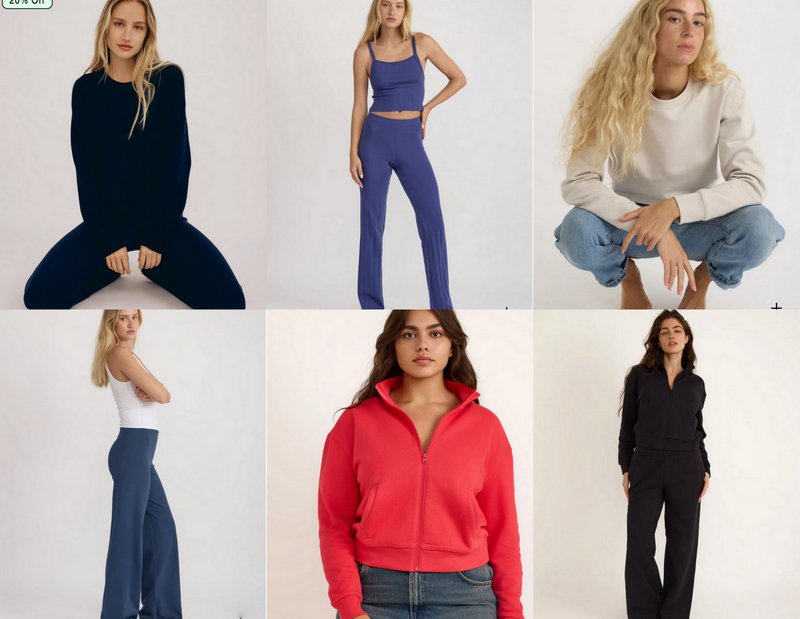
Organic Basics offers a wide range of wardrobe essentials – underwear, bralettes and activewear basics, tees, socks, pajamas – in colors and styles that are clean, minimal and designed to blend easily into your everyday wardrobe.
Their 100% Organic Cotton True Knit Sweater is on my shortlist to try, along with some of their TENCEL™ Lyocell bralettes. However, they also make activewear that is mostly made of recycled nylon. While several brands I have tested use a small percentage of nylon for durability, for the reasons I explain here I prefer for the majority of the fiber to be natural and/or TENCEL™ Lyocell.
Also, although I like the idea of recycling nylon to keep it out of landfills, if the original nylon material contained PFAS, flame retardants or other additives, those compounds can sometimes carry over into the final recycled fiber.
I’ll continue to research and update when I have more info, but for now my recommendation would be to shop their MANY organic cotton and TENCEL™ Lyocell options.
Featured Essential
I couldn’t narrow it down to one – their whole line of organic cotton basics deserves a spotlight.
Magic Linen: Effortless Style Meets Everyday Comfort
Certifications & Standards
- OEKO-TEX® Standard 100 — verifies that all linen fabrics are tested for substances harmful to human health
- Handmade using a small-batch, slow-production approach
- Ships in biodegradable or recyclable packaging
Natural Materials
Magic Linen works almost exclusively with 100% natural flax linen, a breathable, thermoregulating, hypoallergenic fiber that softens with every wash. They also offer:
- Linen/cotton blends in some styles
- Natural coconut-shell or wooden buttons
- OEKO-TEX-certified dyes in a wide range of rich colors
Why Magic Linen Stands Out
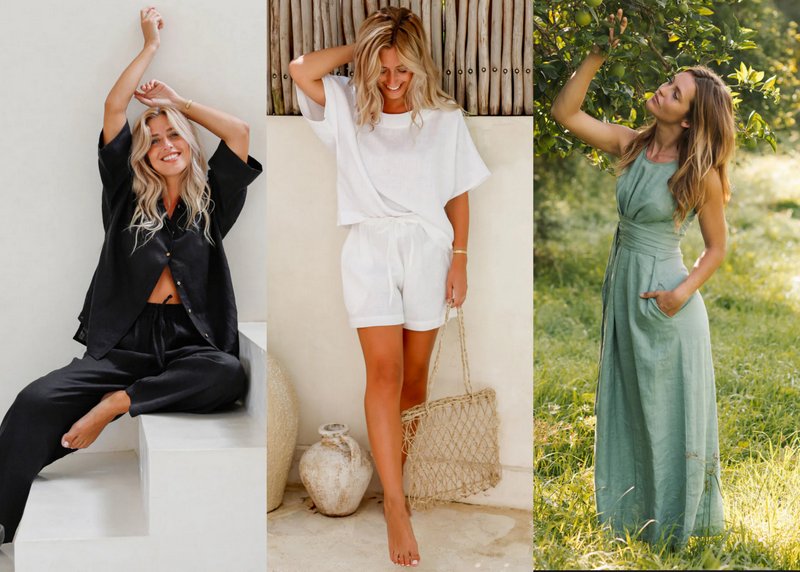
Magic Linen makes soft, breathable pieces in a rainbow of earthy, muted, and jewel-toned colors. Everything is made in Lithuania by artisan seamstresses that have been working with linen for generations.
Their clothing line ranges from relaxed and flowy to more structured and tailored, so whether you love relaxed-fit dresses or crisp linen shirts, you’ll find something that reflects your personal style. They also offer gorgeous pajamas, robes, and more, including a full clothing for men – all in a consistent palette so pieces mix and match beautifully.
If you’re looking for clothing that’s breathable, non-toxic, and timeless without feeling fussy, Magic Linen is a wonderful place to browse.
Signature Set
Linen Pajamas — Lightweight, breathable, highly rated and beautifully made with OEKO-TEX-certified linen.
Jungmaven: Laid-Back Hemp Clothing With a Retro California Vibe
Certifications & Standards
- GOTS (Global Organic Textile Standard) — for their organic cotton
- OCS (Organic Content Standard) — verifies organic fiber content
- Longtime member of the hemp-advocacy movement
- Plants a tree for every order placed
Materials
- Hemp — their signature fiber; grown with little to no pesticides, requires far less water than cotton, and naturally improves soil health
- GOTS-certified organic cotton
- Merino wool
- Low-impact dyes — their vintage-inspired color palette is achieved with dyes that meet strict environmental standards
What They Do Well
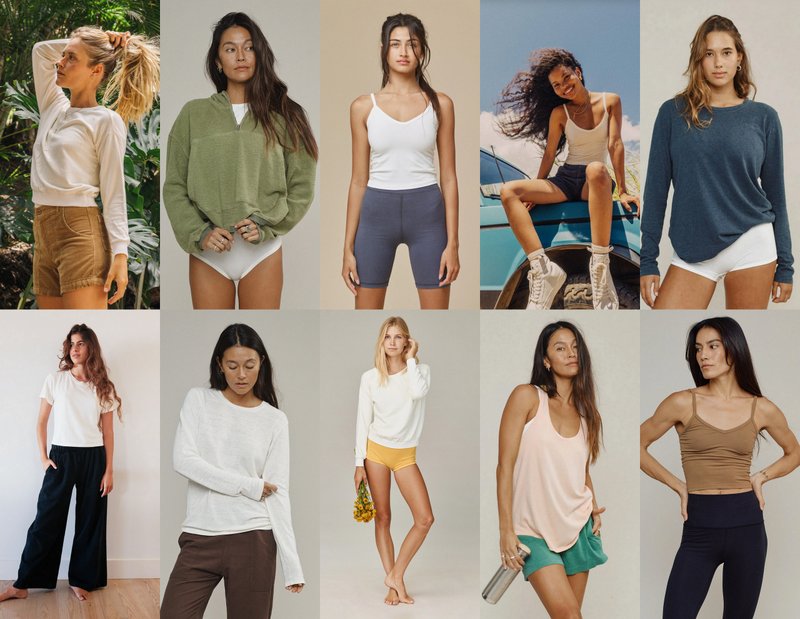
Jungmaven has been championing hemp long before it was a trend, and their experience shows. Their pieces have that relaxed, sun-washed, California-casual vibe – the kind of tees and sweatshirts that look good brand-new and even better after a year of wear.
They blend hemp with organic cotton or merino wool to create clothing that’s breathable, durable, and naturally odor-resistant. Their styles tend to be slightly boxy and relaxed.
Standout Pick
Crux Cropped Sweatshirt – A cozy hemp-cotton blend in vintage-inspired colors that pairs well with high-waisted leggings or jeans. This Lorel Tee also gets good reviews.
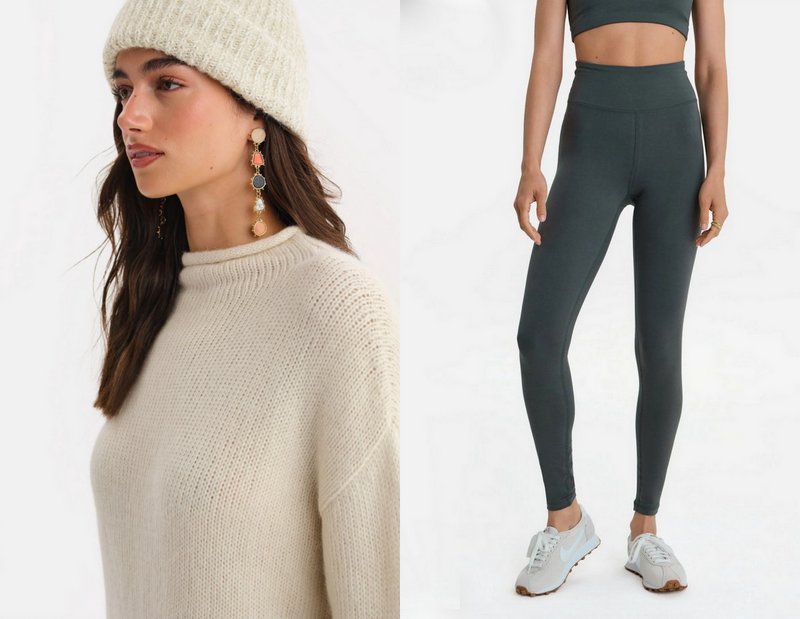
MATE The Label: Comfy Activewear & Everyday Essentials
Certifications & Standards
- GOTS (Global Organic Textile Standard) — ensures organic fibers and responsible processing
- B Corp Certified — meets high standards of social and environmental performance, accountability, and transparency
Materials
MATE The Label prioritizes certified, sustainable materials across its assortment:
- Certified organic cotton jersey
- Linen
- TENCEL™ Lyocell and TENCEL™ Rib
- Small amounts of spandex for stretch in activewear
- Ethically-sourced alpaca wool, merino wool and organic cotton (for sweaters)
- Non-toxic dyes
What Makes MATE a Good Pick
If you’re looking for activewear and casual clothing, MATE The Label is a solid choice.
Their collection includes soft organic cotton tees, sweatshirts, sweatpants, activewear basics, and intimates – all made with organic cotton, linen and TENCEL™.
Their sweater collection – featuring alpaca, merino and cotton blends – is a cozy addition to their mostly casual lineup. Their clothes are easy to mix and match, making MATE a great place to shop if you want comfortable, lower-toxin pieces without performance chemicals or plastic-heavy fabrics.
Featured Favorite
Organic Stretch Full-Length Leggings – After a year of regular wear, mine still look and feel great. The fabric has held its shape very well and is still buttery soft.
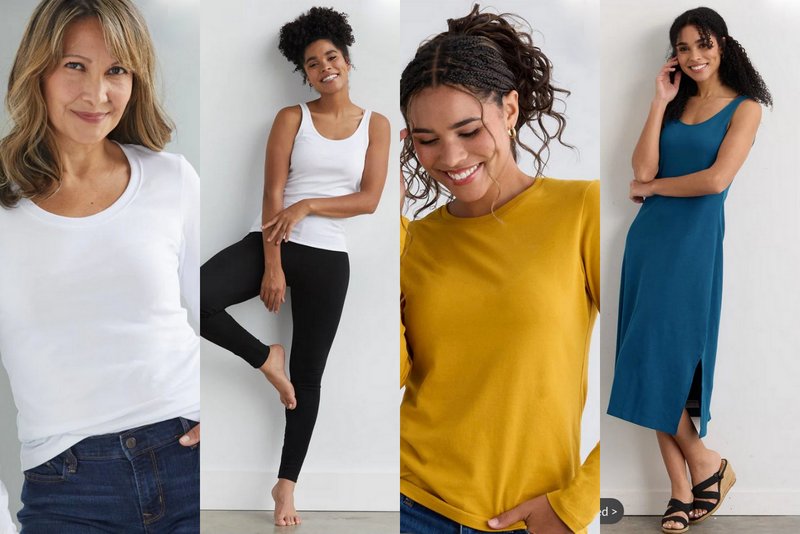
Fair Indigo: Made To Live In
Certifications & Standards
Fair Indigo emphasizes fair wages, long-term partnerships, and environmentally responsible manufacturing. While they don’t list GOTS certification for all pieces, their cotton is certified organic, and they work directly with small Peruvian farmers and artisans to ensure ethical production from field to finished garment.
Materials
- Organic Pima cotton
- Organic Tanguis cotton
- Alpaca wool (ethically sourced)
- 3–5% spandex in some pieces for comfort and stretch
- Stamdard 100 OEKO-Tex dyes
Their cotton is grown in Peru without toxic pesticides, and their alpaca wool is sourced from small Andean communities that practice traditional, low-impact herding.
Why Fair Indigo Made the Cut
Fair Indigo makes clothing for women and men that’s designed to last through years of wear (not just a season). Gently shaped for a flattering fit, their clothes are the kind of essentials you’ll reach for over and over.
You’ll find everyday staples; seasonal alpaca sweaters; dresses; classic cotton tees, leggings and more (including adorable organic stuffed animals for kids).
Standout Pick
Organic Scoop Neck Long Sleeve Tee — Made from super soft organic Pima cotton with a flattering, easy-to-wear silhouette. A staple piece you’ll reach for over and over.
🔥 SAVE 10% WITH CODE MOMMYPOTAMUS
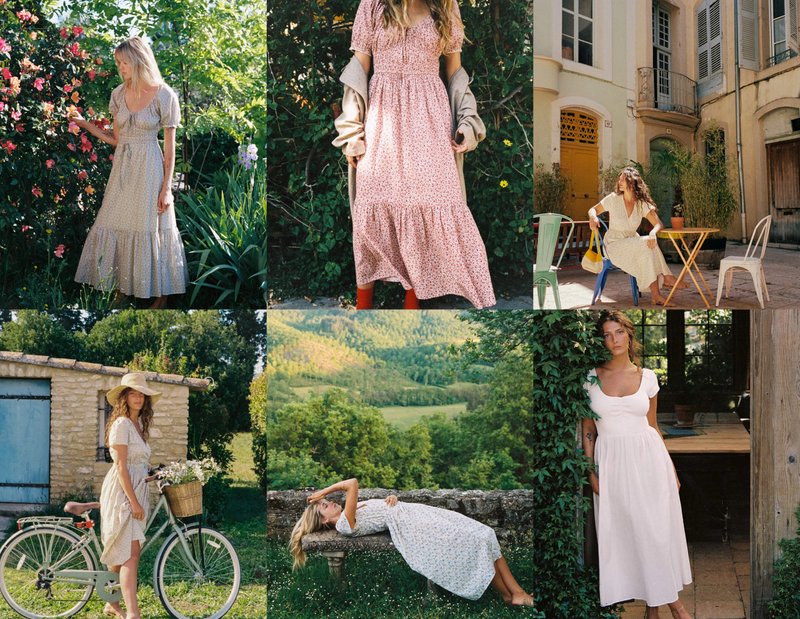
Christy Dawn: Regenerative & Timeless
Materials & Approach
Christy Dawn designs with intention. They work with organic cotton, regenerative cotton, and deadstock fabrics – the unused rolls from larger fashion houses that would otherwise end up in landfills.
They also partner with artisan farms and weavers through their Farm-to-Closet program, a regenerative farming initiative that has reportedly restored biodiversity and sequestered carbon on 219 acres of farmland.
Because they use deadstock fabrics in many collections, there’s natural variation in fiber content. Most are natural fibers like organic cotton, mohair, and cashmere, but you’ll occasionally find blends that include rayon. And since deadstock fabrics are pre-made, the dyes may not always match the cleaner chemistry they use in their regenerative cotton line.
They make gorgeous, thoughtfully designed pieces – just be sure to check the individual fabric description so you can choose items that best match your preferences.
Why Christy Dawn Stands Out
Christy Dawn blends a feminine, timeless aesthetic – flattering silhouettes, rich colors, and beautiful patterns – with a strong commitment to sustainability. Their pieces feel unique and special, making them a top pick for anyone wanting something both beautiful and better for the planet.
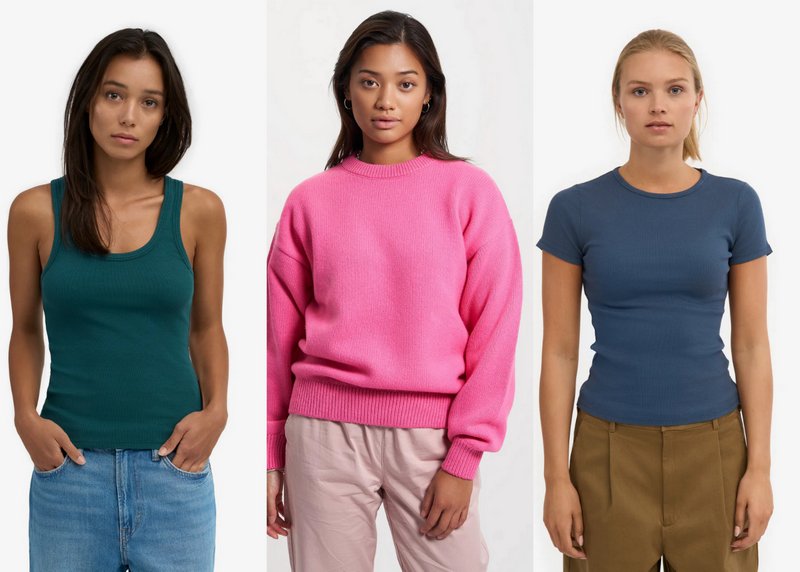
Colorful Standard: Essentials in Every Shade
Certifications & Standards
- GOTS-certified organic cotton (for cotton pieces)
- OEKO-TEX–certified dyes
- Recycled merino wool (Global Recycled Standard level sourcing)
- Produced in their own Portuguese manufacturing center with local suppliers
- Low-waste production: garment dyeing, laser cutting, fabric scrap recycling,
Materials
Colorful Standard uses a mix of natural and recycled materials:
- Organic cotton for tees, sweats, and basics
- Recycled merino wool for winter knitwear
- Recycled polyester (primarily in sports bras and select active styles)
Their organic cotton pieces are garment-dyed using OEKO-TEX–certified dyes, giving them the signature, saturated colors they’re known for without the harsh chemical load often found in conventional dye houses.
What Makes Colorful Standard a Good Pick
Colorful Standard is all about simple, well-made basics in pretty much every color you can imagine. Their clothing is produced in their own factory in Portugal, where they maintain close relationships with local suppliers and use low-waste practices (like laser cutting and fabric scrap recycling) to reduce their environmental footprint.
If you love vibrant basics made with organic cotton or responsibly sourced merino wool, this brand is a fun one to explore. Their styles are clean and timeless, and the consistent palette means you can mix and match across seasons.
A quick note: while most of their collection is natural fiber–focused, some active pieces (such as sports bras) do include recycled polyester, so I would skip those.
🔥 CLICK TO SAVE 20%
Maggie’s Organics: Go-To Basics Made from the Good Stuff
Certifications & Standards
- GOTS-certified organic cotton
- Fair Trade Certified production partners
- Longstanding commitment to worker-owned cooperatives and transparent supply chains
- Over 30 years in organic textiles (one of the earliest pioneers)
Materials
Maggie’s Organics focuses on natural fibers and long-lasting basics:
- Organic cotton (GOTS-certified)
- Organic wool
- A small percentage of spandex in some items for comfort and stretch
Why Maggie’s Organics Stands Out
Maggie’s Organics has been making organic clothing long before it became a trend – over three decades, in fact.
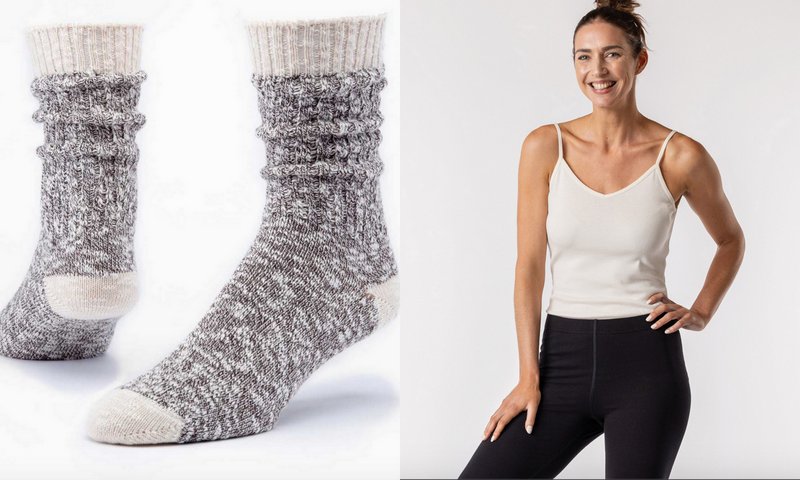
Their pieces aren’t flashy, but they are dependable – soft organic cotton socks, warm wool options for winter, simple tees, leggings, and wardrobe basics for women and men.
If you’re looking for non-toxic, everyday staples with a long-standing record of consistent quality and comfort, Maggie’s is a brand worth bookmarking.
Featured Essential
Organic Cotton Fleece Leggings – Made from super soft and stretchy fleeced organic cotton, these lightweight leggings are brushed inside for a cozy feel without adding bulk.
Cottonique: Clothing for Sensitive Skin
Certifications & Standards
- Hypoallergenic, latex-free, spandex-free manufacturing
- Chemical-free fabric finishing
- 100% organic cotton — including threads, labels, and drawstrings
- Certified B Corporation
Materials
Cottonique is one of the few brands that uses only 100% organic cotton throughout the entire garment — not just the main fabric. They avoid:
- Synthetics
- Elastic (instead using cotton-based alternatives)
- Latex
- Resin finishes
- Harsh textile chemicals
What Makes Cottonique a Good Pick
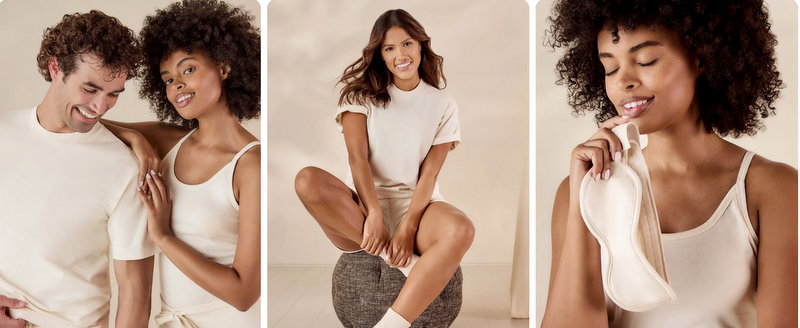
Cottonique is a rare find for anyone with sensitive skin or a true allergy to synthetic fibers. From yarn spinning to the final finishing stage, they carefully oversee every step of production to ensure their fabrics remain uncontaminated by common irritants.
Their styles are simple and functional instead of trend-focused, but that’s the point:. Their bras, underwear, camisoles, socks, tees, loungewear, and a handful of basics are designed for maximum comfort.
If you’ve struggled with irritation from even naturally dyed organic clothing in the past, Cottonique is absolutely worth exploring.
Outerknown: Regenerative Fibers With a Coastal-Cool Feel
Certifications & Standards
- Regenerative Organic Certified® (ROC) cotton
- Global Organic Textile Standard (GOTS) certification (only applies to specific cotton products)
- Fair Trade USA sewing partners
Outerknown is one of the few mainstream brands working directly with regenerative cotton farms and publicly listing their factory partners.
Materials
- Regenerative Organic Cotton
- Organic cotton
- Hemp
- Recycled wool
- Recycled cashmere
- Recycled polyester (in select items, especially outerwear and performance pieces)
- NetPlus® recycled nylon fishing net
Why Outerknown Is a Good Pick
Founded by pro surfer Kelly Slater, Outerknown combines a relaxed, coastal aesthetic with real efforts toward sustainability and supply-chain transparency. Their use of Regenerative Organic Certified cotton sets them apart, and their partnerships with Fair Trade factories demonstrates a commitment to improving worker standards as they grow.
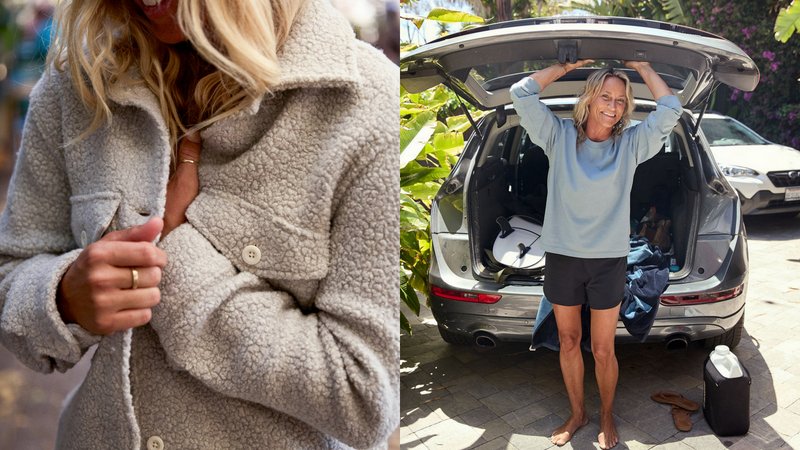
The brand uses recycled fibers like wool and cashmere, which help keep these valuable materials in circulation. One of my favorite pieces is this Woolaroo Shirt Jacket made from 100% recycled wool and buttons made from tagua palm nuts. It looks so cozy.
However, while most of their collection leans on natural fibers – synthetic blends do appear – especially recycled polyester – so it’s important to check the fabric description.
Overall, Outerknown is a great option if you want well-made pieces with a laid-back feel — especially staples like tees, flannels, and knits — while supporting a company genuinely trying to move the fashion industry toward better practices.
Most Popular Item
The Blanket Shirt — A customer favorite for a reason. This heavyweight organic cotton flannel is soft, warm, and built to last. It’s the kind of piece you’ll reach for constantly once the weather cools.
Alex Crane: All-Weather Mens Clothing
Certifications
Alex Crane doesn’t list third-party textile certifications (like GOTS or OEKO-TEX), but they do commit to using 100% natural, renewable materials across their clothing line.
Natural Materials
- European linen — grown, harvested, and woven in Europe
- Organic cotton
- Merino wool
- Coconut shell (for making buttons)
- Banana fiber (used in their swim trunks – I haven’t researched this material yet, but they describe it as a plant-based, biodegradable alternative to synthetic swimwear fabric)
Why Alex Crane Stands Out
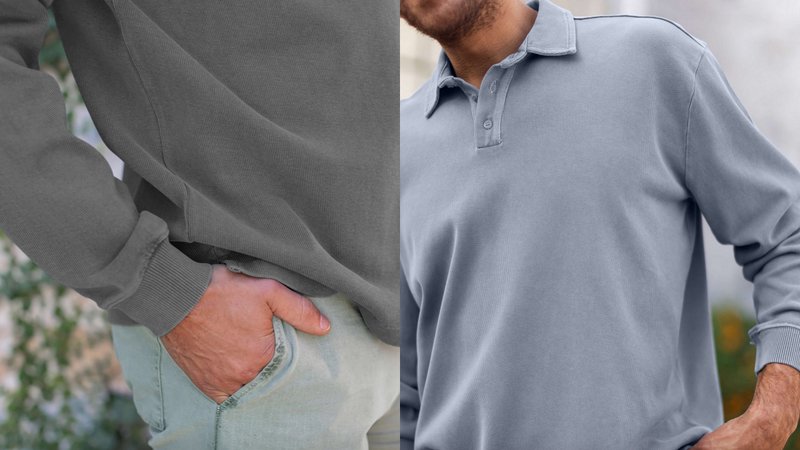
Alex Crane creates high-quality mens clothing exclusively with natural, renewable fibers. They take a clean, minimalist approach to design, combining linen, wool, and organic cotton to create pieces that feel timeless, easy to wear, and are genuinely durable.
While this brand is technically menswear, their style is so classic that I personally would wear their Bay Sweater in every color.
One thing to note before clicking “add to cart”: while many of their pieces can be washed at home (their washable blazers are especially rare!), a few items are labeled “Dry Clean Only.” Safer dry-cleaning methods do exist, and some pieces may tolerate gentle hand-washing, but I
What I’d Shop First
Bay Sweater — A beautifully textured organic cotton pullover that’s warm, breathable, and classic.
Final Thoughts
Each brand on this list brings something a little different to the table: some focus on regenerative farming, others on plastic-free design, small-batch craftsmanship, or full supply-chain transparency. The common thread is that they prioritize better materials, safer dyes, and more responsible production than what you’ll find in most mainstream clothing.
Here’s to clothing that looks good, feels good, and does good. 💛


Have you looked into superwash treatments for wool products? Most of the wool activewear and undergarments I’ve found appear to be treated. What are your thoughts on this?