
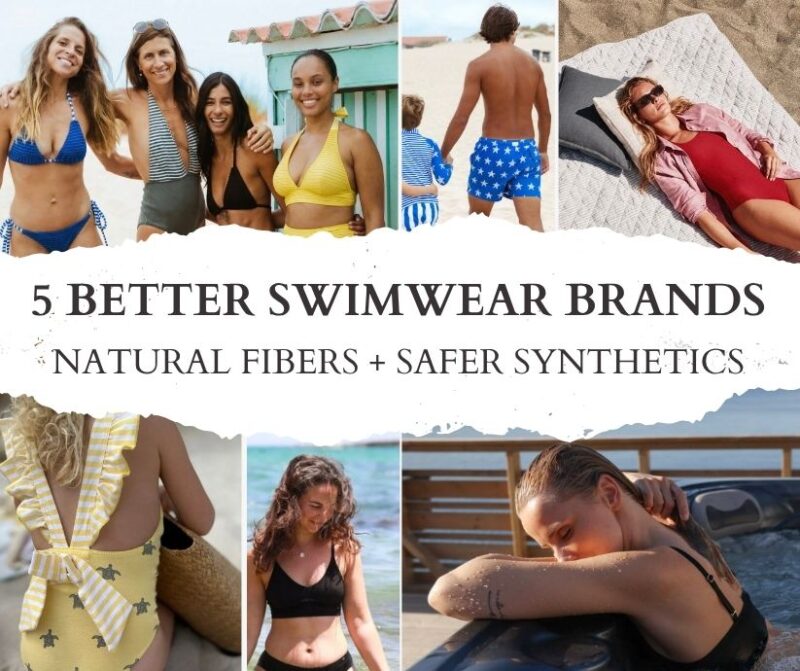
My husband once said that if I’m cranky the solution is to put me in water – the ocean, a pool, a bathtub . . . whatever’s closest.
Let’s just say he was not wrong, and we don’t live 10 minutes from the ocean by accident.
For years I’ve been packing up a beach bag with non-toxic sunscreen, water in stainless steel bottles, and snacks tucked into Stasher bags.
All while wearing a swimsuit made from the same petroleum-based fabrics used in most activewear – without giving much thought to what chemicals or treatments might be hiding in it. (I’m not willing to swim in my birthday suit – at least not with people around!)
All of that changed last year when I dove deep (pun intended) into toxins in clothing, natural fiber alternatives, and non-toxic clothing brands. While I was looking for daily staples, I came across swimsuits made with hemp, wool, and even cotton, often blended with PFAS-free synthetics for performance.
Obviously, I had questions, starting with . . .
Do healthy swimsuit options really exist?
If you’re like me, you’ve probably clicked on an ad for “eco-friendly clothing” and realized immediately that everything is made of recycled plastic.
Unfortunately, when plastics containing BPA get a second life as a swimsuit, the BPA doesn’t disappear. It remains part of the garment, where it can easily be absorbed through skin. (1) In fact, research has found that some recycled fabrics contain more BPA than virgin synthetic materials. (2)
Natural fibers are my top choice whenever it’s practical, but if there’s ever a time to bring safer synthetics into the conversation, it’s when we talk about swimsuits.
A Practical Approach To Healthier Swimwear
If you’ve spent any time looking for non-toxic swimwear, you’ve probably realized pretty quickly that this category gets complicated.
Swimwear has unique performance demands. Most people want a suit that stretches, stays in place when wet, dries reasonably quickly, and holds up to movement, saltwater, sunscreen, and chlorine.
That’s one reason most swimsuits – even the healthier options – still usually include at least a small amount of synthetic material.
Personally, I’m okay with that. For me, reducing the amount of petroleum-based fabric while prioritizing PFAS-free materials, safer dyes, and better certifications is still a meaningful step in the right direction.
That’s why I’m going to cover swimwear with natural fibers, safer synthetic fibers, and thoughtful blends that balance comfort, durability, and performance. Before we get to the recommendations, though, it helps to know what we’re trying to avoid.
👎 Common Chemicals Found In Swimwear
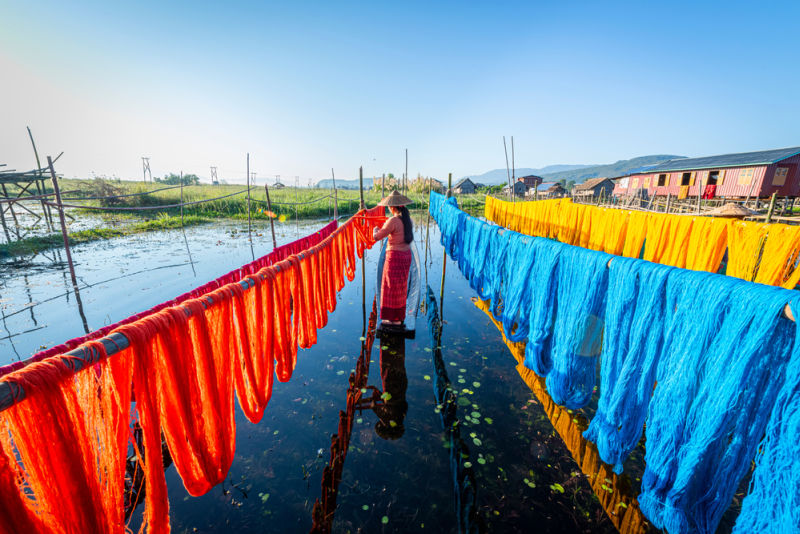
A cute swimsuit can still come with some not-so-cute extras.
Depending on the fabric, dyes, and finishes used, swimwear can contain chemical residues linked to skin irritation, hormone disruption, and other concerns. Here are some of the problematic ones found in swimwear:
PFAS
These “forever chemicals” are sometimes used to make fabrics more water- or stain-resistant. They are very common in “quick dry” swimsuits, but may be present even if a suit is not specifically labeled that way. PFAS chemicals have been linked to hormone disruption, immune effects, and increased risk of certain cancers in human and animal studies.
Formaldehyde
Formaldehyde-based resins are used to make fabrics more wrinkle resistant. Clothing treated with formaldehyde can trigger contact dermatitis, eczema, allergic reactions, and skin sensitization. (3) It’s also classified as a known human carcinogen. (4)
Phthalates
Phthalates are added to clothing to make synthetic fabrics softer, stretchier, and more durable. They’re also used to help prints stick, make materials stain or odor-resistant, and give garments a “performance” finish. They can be absorbed through skin contact . . . especially when heat, friction, and sweat are involved. (5)
Azo dyes
These are part of what gives some swimsuits those super bold, vibrant colors. Unfortunately, when azo dyed fabrics come into contact with sweat or bacteria on the skin, some of them can break down into aromatic amines that can cause contact dermatitis, eczema, and allergic sensitization.
Some azo dyes form specific aromatic amines that have been linked to bladder cancer, prompting the European Union and several other countries to restrict or ban dozens of the most hazardous varieties. US restrictions are mostly managed through state-level regulations (for example, California’s Proposition 65) or voluntary industry standards.
Heavy metals
According to a paper published by Yale University’s School of Medicine, “heavy metals such as lead, cadmium, and mercury are frequently used to stabilize pigments and improve colorfastness by preventing color degradation over time.” (6)
Microplastics
Synthetic fabrics also shed microplastics over time, especially during washing. It’s one of the reasons I started prioritizing natural fibers whenever possible. However, for this category, I don’t personally try to avoid synthetics completely. My goal is to reduce the overall percentage when possible and/or choose options that are thoughtfully made with durability, performance and the environment in mind.
✅ Materials To Look For
The good news is that brands are starting to move in a better direction. Here are some of the materials and certifications I looked for while researching healthier swimwear options.
Merino Wool
Merino wool is naturally breathable, odor-resistant, and offers some UV protection. It may not be the first material that comes to mind for swimwear these days, but wool has actually been used for swimming for a long time and is beginning to make a quiet comeback.
Organic Hemp
Hemp is naturally durable and offers some UV resistance. It’s also known for its antimicrobial properties in certain applications.
Organic Cotton
Organic cotton is grown without synthetic pesticides and fertilizers and is often processed with fewer chemical inputs. While it’s not inherently stretchy or quick-drying, it is soft and can be blended with other fibers or woven in unique ways that create more give.
Plant-Based Synthetics
Some newer performance fabrics are made partially from renewable plant sources instead of petroleum. Examples include BioSculpt and Yulex, which use materials derived from things like castor beans or natural rubber.
These fabrics still require processing, but some brands use lower-toxicity chemistry and closed-loop manufacturing systems designed to reduce environmental contamination.
I personally think these materials can be a really good middle-ground option when you need swimwear to perform well for activities like surfing, lap swimming, or active beach days.
OEKO-TEX Certified Synthetics
Some synthetic fabrics are certified to standards that test for harmful chemicals, including PFAS, certain azo dyes, lead, phthalates, and bisphenols.
One I look for often is OEKO-TEX® STANDARD 100, which tests textiles from yarn to finished product, including threads, buttons, and accessories, against a list of more than 1,000 harmful substances. OEKO-TEX also uses stricter requirements for products with more direct skin contact, which makes it especially relevant for swimwear.
For me, this certification is a meaningful step up from conventional synthetic swimwear with no third-party testing or transparency.
You’ll notice that many of the brands below still use a small amount of elastane or nylon for stretch and durability. Personally, I’m okay with that tradeoff when it helps reduce unnecessary chemical treatments and improves durability.
👙 5 Best Sustainable & Non-Toxic Swimwear Brands
Because stock changes from season to season, materials sometimes change, too. Always check the actual fabric description to make sure the piece you’re considering matches what you’re looking for.
Pure Earth Collection – Organic Swimwear for the Whole Family
Best for: Organic cotton swimwear with UPF protection
Certifications: GOTS certified
Materials: 98% organic cotton, 2% lycra
Price range: About $52–$104 on the U.S. site, based on currently listed swim diapers, bikini bottoms, and kids’ swimsuits
Size range: Baby/kids 0–1 through 11–13; women’s S/M–L; adult men’s swimwear is listed, but I’d verify sizing on the specific product page before publishing
Why It Made The Cut
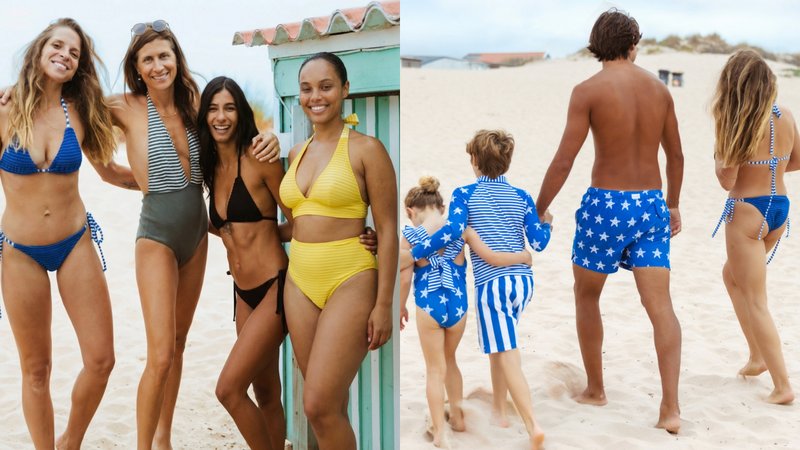
Pure Earth Collection is one of the most unique swimwear brands I found because they offer matching organic cotton swimwear for women, men, kids and babies – not just a handful of options for one age group.
Their Earthcove swim line is made with 98% certified organic cotton and 2% lycra for stretch, with built-in UPF 50+ protection. The brand states that the lycra used is free from PFAS and BPA, and that the finished swimwear is GOTS certified.
I especially like that they’re not just swapping one synthetic for another. Compared with conventional polyester or nylon swimwear, Pure Earth says their organic cotton suits reduce microplastic shedding by 98%, which makes them a strong option for anyone trying to lower their family’s plastic load without giving up stretch completely.
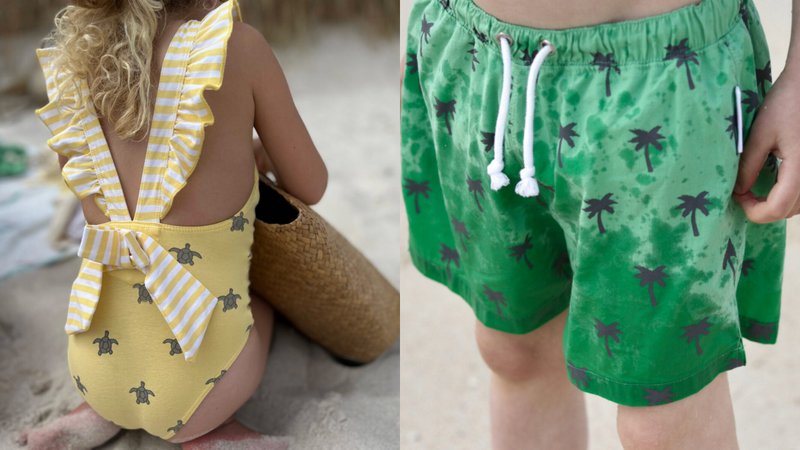
Their kids’ line includes long-sleeve swimsuits, regular swimsuits, and swim diapers, while the women’s line includes one pieces and bikinis. The U.S. site currently ships within the U.S. only, while the U.K. site notes worldwide shipping.
Bottom line: If you’re looking for one of the lowest-plastic swimwear options available – especially for matching family swimwear – Pure Earth Collection is one of the best places to start. Just keep in mind that, like many natural-fiber options, the brand recommends rinsing after chlorine or saltwater exposure to help preserve the fabric.
BRANWYN – Merino Wool Innerwear That Doubles As Swimwear
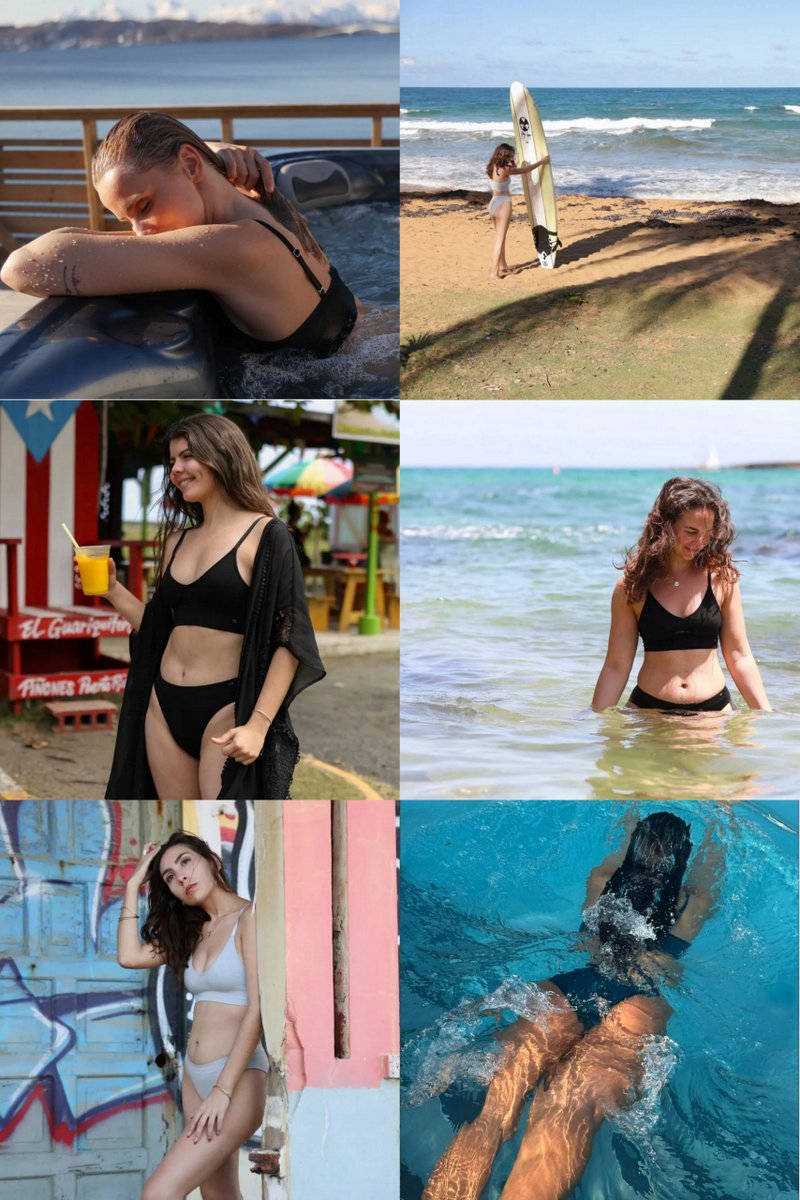
Best for: Travel, hiking, and spontaneous swims
Certifications: ZQ-certified Merino wool, Responsible Wool Standard (RWS) certified supply chain
Materials: Merino wool blends (varies by style)
Price range: About $38–$98
Size range: XS–XXL
Why It Made The Cut
BRANWYN technically makes innerwear, not swimwear, but there’s a good reason many of their photos feature women swimming, surfing, paddleboarding, wading, and hiking near waterfalls.
Before synthetic swim fabrics took over, wool was actually one of the most common materials used for bathing suits. Merino wool specifically is soft, light, breathable, relatively quick-drying, and a surprisingly awesome choice for swimwear.
BRANWYN pieces are designed for movement, travel, sweating, temperature swings, and outdoor adventures of all kinds. The brand fully embraces that versatility and even encourages using its merino pieces for swimming.
They’re also third-party tested. In 2024 and 2025, Intertek tested their products and found no detectable BPA, PFAS, or phthalates. BRANWYN plans to continue retesting annually.
Personally, I especially like the darker colors for swimming. The black Essential Supreme bra has a very swimsuit-like cut and includes removable cup liners, which I appreciate.
This summer, I’m pairing it with these bottoms, which are super comfy and offer the kind of coverage I actually want when I’m swimming, hiking, or chasing kids around the beach. The fabric has a matte finish, so it doesn’t look exactly like a conventional shiny swimsuit, but it still feels totally wearable for water adventures.
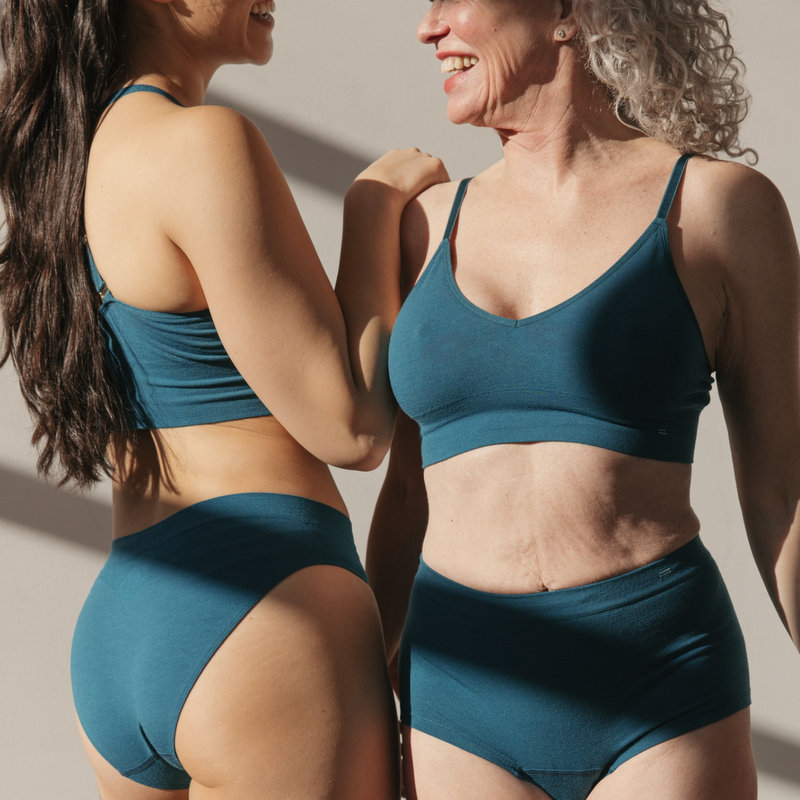
I’m also thiiiis close to clicking “add to cart” on this bralette and bikini bottom in the gorgeous limited edition color, Transformative Teal, that’s pictured above. It’s one of my favorite colors, and even though I usually prefer a little padding in swimwear, this set is tempting enough to make me reconsider.
One important note: BRANWYN confirmed to me that their pieces can be worn in chlorinated pools and hot tubs, just make sure to wash them right away after use and hang to dry. So while I’d absolutely wear these for beach days, lake days, cold plunges, paddleboarding, travel, hiking swims, and occasional pool use, I personally wouldn’t make them a dedicated lap-swimming suit.
If you’re still skeptical, here are some actual user reviews:
COMFY AND PERFECT FOR TRAVEL ADVENTURES
I have been wearing the Essential Busty for awhile and loved that it is thick enough in every way, the wide straps don’t cut into you and offer moderate support for D’s. On a recent trip to Ireland I had the unexpected opportunity to utilize the opening day of a lakeside spa and sauna at a romantic inn. Including a swim in the cold lake and back into the sauna. My Essential Busty and Hipsters looked no different than a swimsuit, and dried quickly for travel, I was ready for the adventure!
BETTER THAN A SWIMSUIT
On a camping trip I was wearing the Branwyn Bralette and hipster underwear. I decided to take a dip in the river –and I am so glad I did! I didn’t feel yucky or soggy. I loved the experience so much that I just bought another Bralette and underwear specifically for swimming at the end of hikes. Previously I have uncomfortably worn bathing suits under my hiking clothes, but it’s very uncomfortable. Never again! Merino wool will be my new “swimsuit” for comfy, quick-drying hiking and camping swims.
Bottom line: This is probably not the brand for competitive swimmers or heavy chlorine exposure. But if your ideal summer includes road trips, paddleboards, alpine lakes, camping, hot springs, hiking, or “might accidentally end up in water” adventures, BRANWYN is one of the most interesting low-plastic options I found.
Quince – Affordable, PFA-Free Swimwear
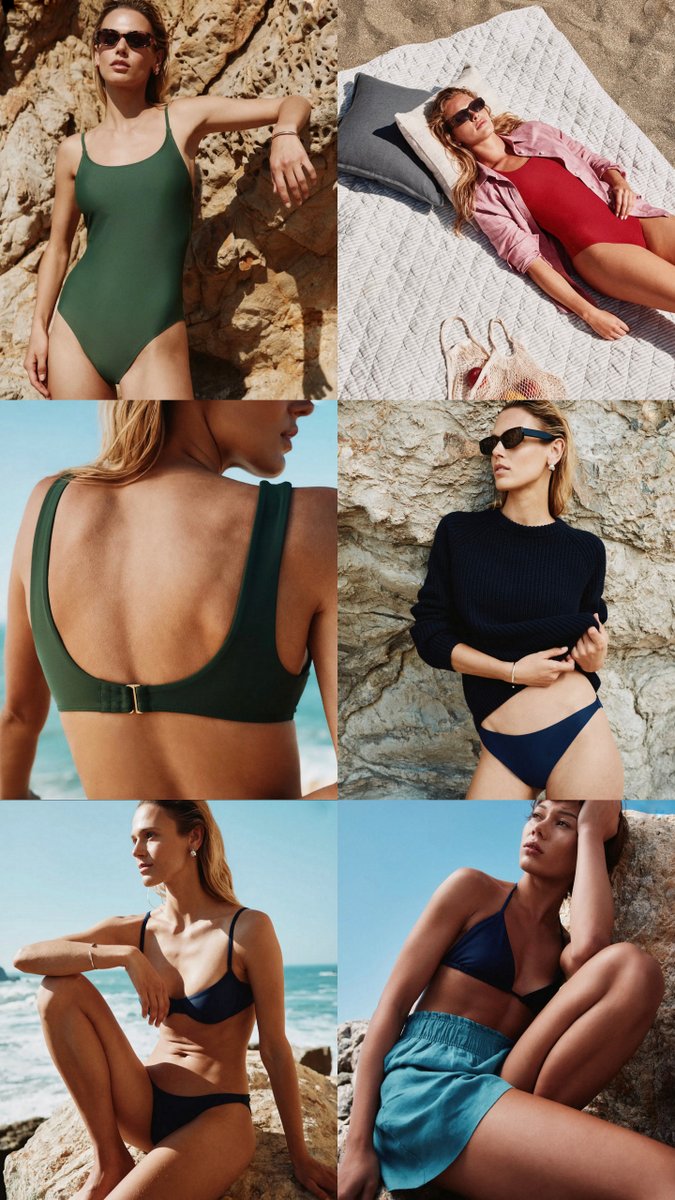
Best for: Budget-friendly pool and beach swimsuits
Certifications: OEKO-TEX Standard 100
Materials: Body: 78% recycled polyamide, 22% spandex; liner: 90% recycled polyamide, 10% spandex
Price range: About $24.90–$49.90
Size range: XS–XL
Why It Made The Cut
Quince is an option to consider if you want something affordable, familiar-feeling, and practical for regular pool or beach use – but still want better standards than conventional synthetic swimwear with no certification or transparency.
Their suits are fully synthetic, but the fabric is OEKO-TEX certified, PFA-free, chlorine-resistant, and priced far below many premium swim brands.
Their women’s suits come in a wide range of styles, offer removable cups, and are resistant to chlorine, sunscreen, oils, fading, snagging, and pilling. They also offer a pretty decent range of board shorts for men, as well as kids swimwear.
This is a solid option for anyone that wants something more affordable and familiar-feeling than natural fiber swimwear, but also wants better standards than conventional synthetic swimsuits with no certification or transparency.
Bottom line: Quince is a good budget-friendly option for pool days, beach trips, and more – not plastic-free, but better-vetted, PFA-free, chlorine-safe, and much more affordable than many premium swim brands.
Industry of All Nations – 100% Organic Cotton Board Shorts
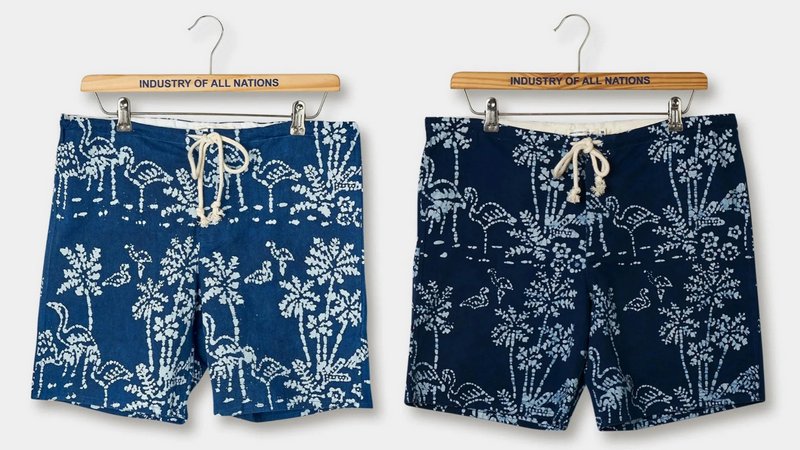
Best for: Plastic-free board shorts
Certifications: GOTS-certified organic cotton
Materials: 100% organic cotton, including the lining
Price range: About $95–$145
Size range: S–XL (varies by style)
Why It Made The Cut
If you’re looking for swim shorts made without polyester or nylon, Industry of All Nations is one of the most interesting brands I found.
Their board shorts are made from 100% GOTS-certified organic cotton – including the lining – which is incredibly rare for swimwear. Some styles are batik hand-printed and dyed with fermented natural indigo, while others use natural dye baths like rubia cordifolia and chebula seed.
I also like that the design is something most men would actually want to wear beyond the water – relaxed, substantial, and easy to pair with a t-shirt after a swim. For anyone trying to avoid plastic-based swimwear as much as possible, this is one of the cleanest boardshort options I found.
Bottom line: If your goal is to find genuinely plastic-free board shorts – not just “recycled” synthetics – Industry of All Nations is one of the strongest options I came across.
🔥 USE CODE MP TO SAVE
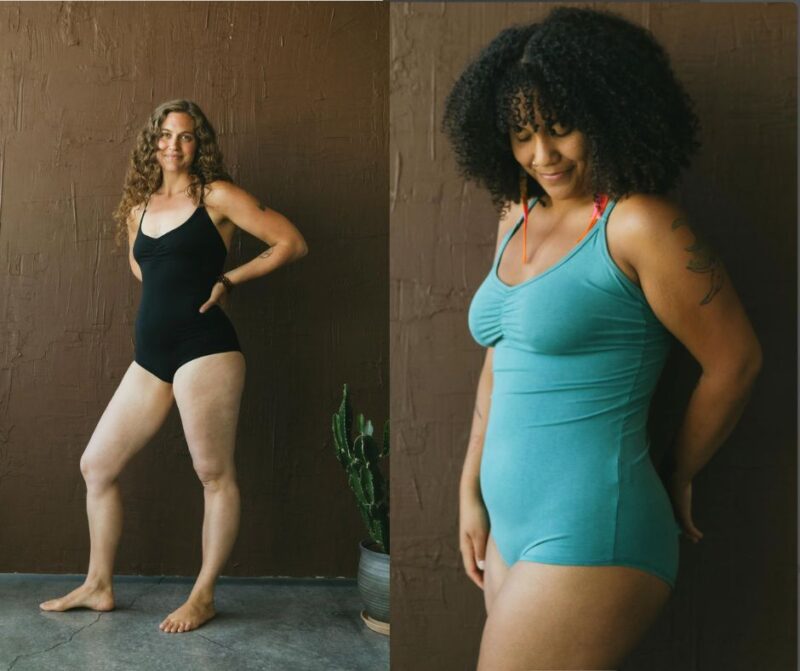
Una Pluma – Organic Cotton Bodysuits That Double As Swimwear
Best for: Alternative swimwear and natural-fiber bodysuits
Certifications: GOTS-certified organic cotton
Materials: 95% organic cotton, 5% lycra
Price range: About $28–$42
Size range: XS–XL, depending on style
Why It Made The Cut
Una Pluma stood out because it offers simple, organic cotton pieces that can work as everyday wear or swimwear. Their sleeveless bodysuit has a soft, minimalist look with a slightly vintage feel.
It’s not marketed as high-performance swimwear, but it is specifically described as “alternative swimwear,” and has many positive reviews from women who are using it as a bathing suit.
The fabric is described as soft, breathable, substantial, and surprisingly wearable in the water. One customer said she had been using the thicker bodysuit in a regular pool and hot tub for months “with no issues,” while another specifically bought the Aegean blue version to wear as a swimsuit and said the darker color stayed opaque when wet.
Bottom line: Una Pluma is a great option if you want a soft, simple organic cotton swim piece that feels natural, versatile, and easy to wear beyond the water.
Bonus Brand: Hanna Andersson – Safer Swimwear for Babies & Kids
Best for: Practical kids’ swimwear
Certifications: OEKO-TEX® STANDARD 100; some pieces contain GRS-certified recycled nylon
Materials: Varies by style; examples include recycled nylon with CREORA® Highclo spandex
Price range: About $40–$69 before sales
Size range: Baby through kids’ size 12, depending on style
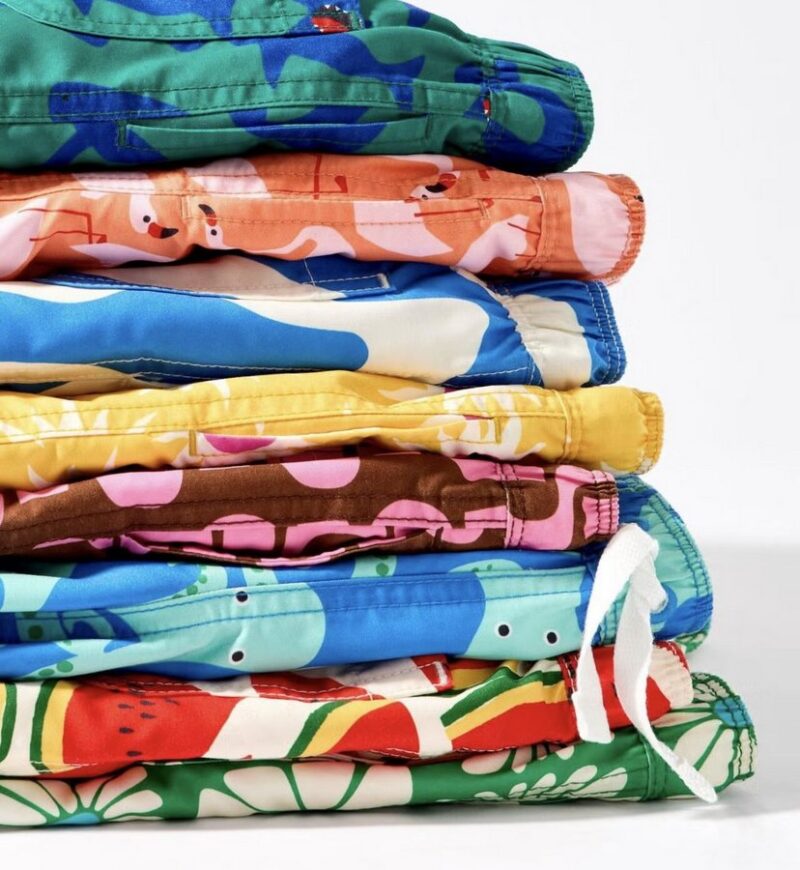
Hanna Andersson is not a natural-fiber swimwear option, but it’s one of the more practical safer-synthetic choices for babies and kids – especially if you want cute prints, sun coverage, pool durability, and third-party testing.
Their swimwear is OEKO-TEX® STANDARD 100 certified, and it includes a wide selection – rashguard swimsuits, trunks, one-pieces, two-piece sets, cover-ups, and some family matching options.

If you’re trying to reduce hidden chemical exposure in clothing without completely sacrificing comfort, style, or practicality, these guides may help:
- The Hidden Chemicals in Modern Clothing + Low-Toxin Choices
Learn what PFAS, BPA, azo dyes, phthalates, and other common textile chemicals are – plus how to shop more strategically. - The Best Non-Toxic Leggings (After 9+ Months of Testing)
My deep dive into lower-toxin leggings, natural fibers, safer synthetics, and what actually held up in real life. - The Natural Clothing Fiber Handbook
A practical guide to organic cotton, wool, hemp, linen, bamboo, modal, TENCEL™, and other common fabric types. - 15+ Non-Toxic Clothing Brands That Look, Feel & Do Good
The brands I personally look at first when shopping for lower-toxin clothing.
Sources
- Center for Environmental Health. (2022). New testing shows high levels of BPA in sports bras and athletic shirts. Center for Environmental Health.
- Jurikova, M., et al. (2024). Bisphenols in daily clothes from conventional and recycled materials: Analysis, dermal exposure and associated risks. Environmental Pollution.
- Herrero, M., et al. (2022). Early-life exposure to formaldehyde through clothing. Environmental Health Insights.
- National Cancer Institute. Formaldehyde and Cancer Risk.
- Aldegunde-Louzao, N., Lolo-Aira, M., & Herrero-Latorre, C. (2024). Phthalate esters in clothing: A review. Environmental Toxicology and Pharmacology.
- Pinto, V. C. D., & Peleg Mizrachi, M. (2025). The Health Impact of Fast Fashion: Exploring Toxic Chemicals in Clothing and Textiles. Encyclopedia.


thanks! appreciate you doing the research!
Simply Merino sells items specifically intended as swimwear, including a one-piece.
Their swim bottoms are two-layer which I expect would make it a little sturdier and look less like underwear. And their tops have pockets to insert cups.
I have not tried them yet but I think I might.